
The word "self-care" has been stretched in many directions — from elaborate skincare routines to expensive spa days to social media aesthetics. But at its core, self-care is simply the practice of taking deliberate, consistent action to support your own health and wellbeing.
The most effective self-care routines are not the most elaborate ones. They are the ones that are simple enough to maintain consistently, targeted enough to address your actual needs, and grounded in how the body genuinely works — not just how wellness marketing says it should.

The Four Dimensions of Holistic Self-Care
A truly holistic self-care routine addresses the body across four dimensions: physical recovery, nervous system regulation, sleep quality, and mental clarity. Most people focus on one or two of these while neglecting the others — and then wonder why they still feel depleted.
1. Physical Recovery
Physical recovery is about giving your body what it needs to repair and restore itself after the demands of daily life. For most people, this means addressing the effects of prolonged sitting, physical exertion, and the accumulated tension that builds in the muscles and spine throughout the day.
Effective physical recovery practices include: regular movement throughout the day (not just scheduled exercise), targeted stretching for the areas that carry the most tension, thermal therapy to support muscle relaxation and circulation, and adequate rest between periods of physical demand.

2. Nervous System Regulation
The nervous system is the master regulator of the body — and in modern life, it is chronically overstimulated. Notifications, deadlines, traffic, news cycles, and social demands keep the sympathetic nervous system in a state of low-grade activation for much of the day.
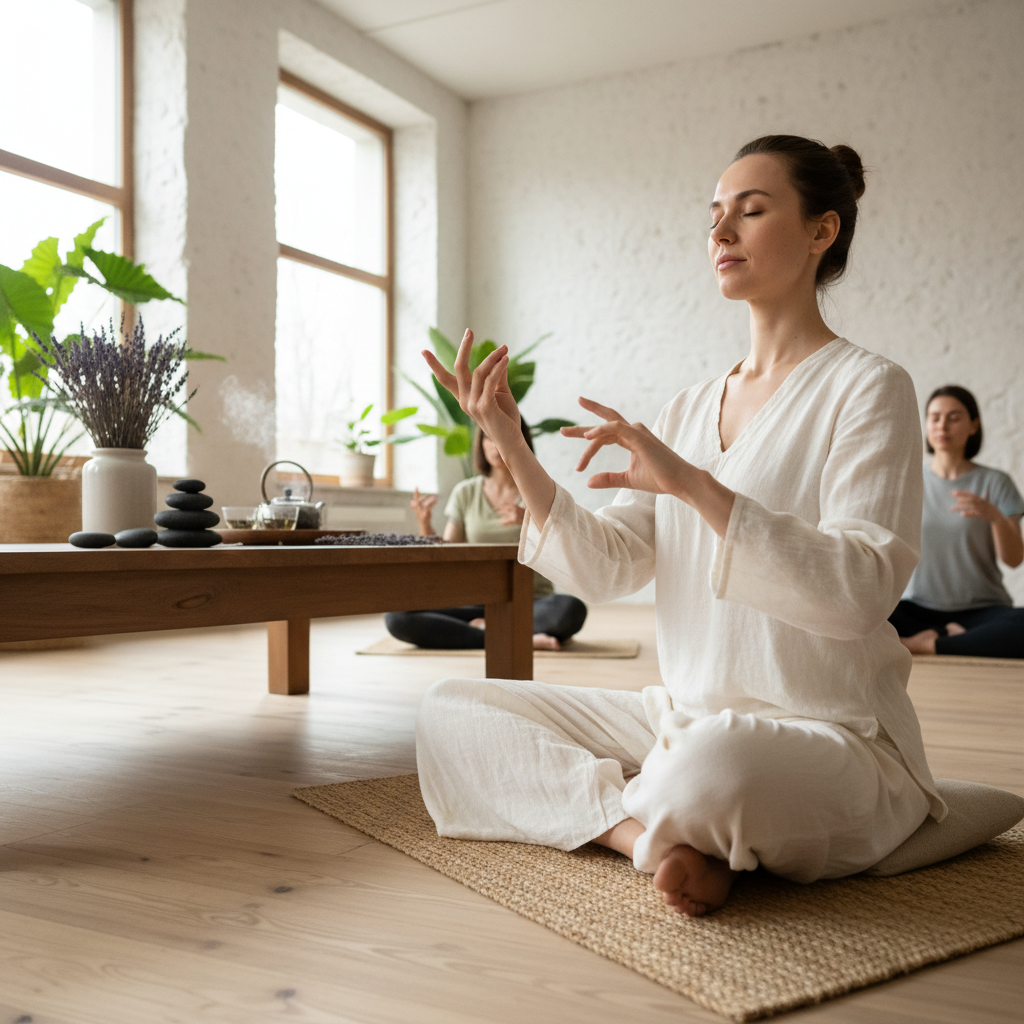
Nervous system regulation practices are those that deliberately activate the parasympathetic response — shifting the body from "fight or flight" to "rest and digest." These include: slow, deep breathing; thermal relaxation; meditation or mindfulness; time in nature; and any activity that creates a genuine sense of safety and ease.

Inhale for 4 counts. Hold for 7 counts. Exhale slowly for 8 counts. Repeat 4 times. This simple technique activates the parasympathetic nervous system within minutes — and can be done anywhere, at any time.
3. Sleep Quality
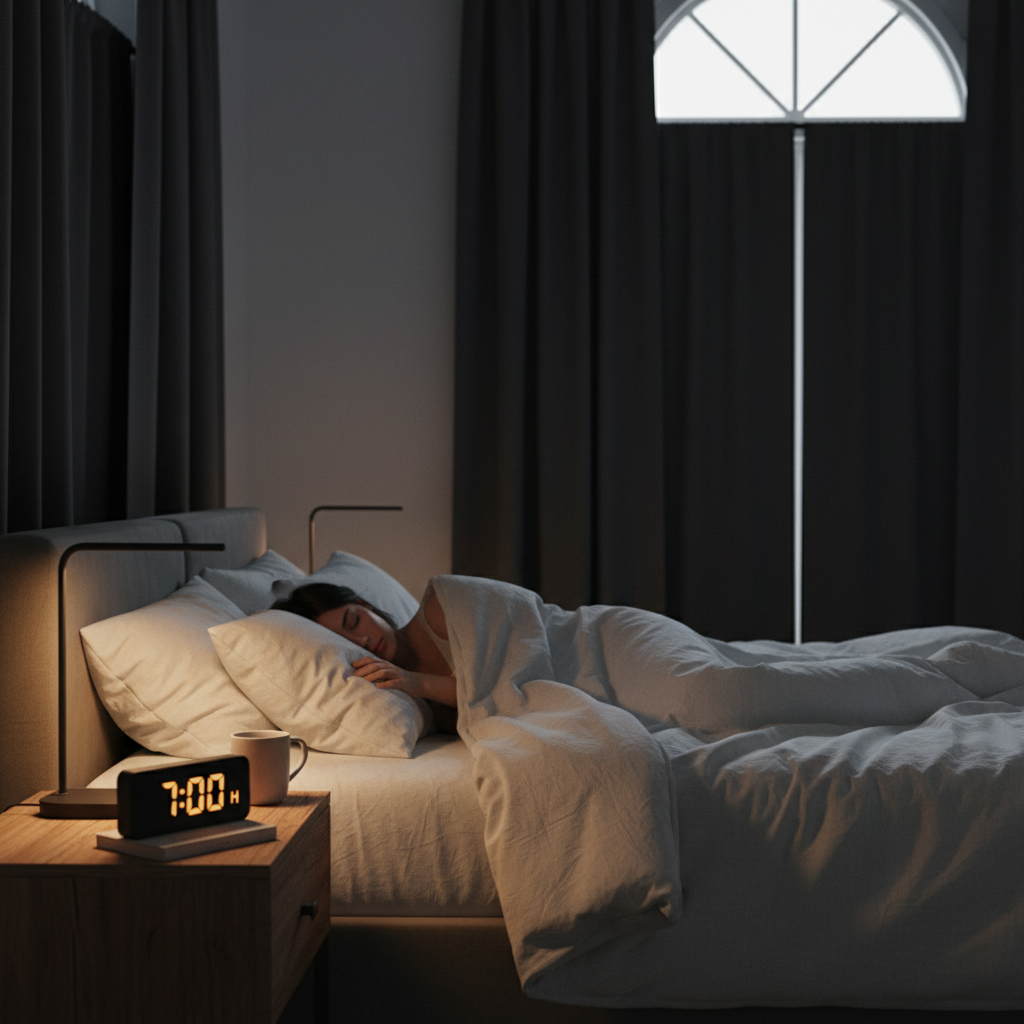
Sleep is not just rest — it is the body's primary repair and regeneration period. During deep sleep, the brain clears metabolic waste, the body repairs cellular damage, and the immune system consolidates its defenses. Consistently poor sleep quality undermines every other aspect of your wellness routine.
Building a consistent pre-sleep routine — one that signals to your nervous system that it is time to shift into recovery mode — is one of the highest-leverage investments in your overall wellbeing. This might include: dimming lights an hour before bed, avoiding screens, doing gentle movement or stretching, and using thermal relaxation to help the body wind down.
4. Mental Clarity and Emotional Wellbeing
Physical wellness and mental wellness are not separate systems — they are deeply interconnected. Chronic physical tension contributes to mental stress. Chronic mental stress contributes to physical tension. A holistic self-care routine addresses both.
Practices that support mental clarity and emotional wellbeing include: regular time away from screens, meaningful social connection, creative or contemplative activities, time in nature, and any practice that creates a genuine sense of presence and ease.

Building Your Routine: A Practical Framework
- Morning (10 min): Gentle movement or stretching to wake the body and set a physical baseline for the day.
- Midday (5 min): A movement break — stand, walk, stretch. Reset your posture and circulation.
- Afternoon (5 min): A breathing practice or brief mindfulness pause to regulate the nervous system.
- Evening (20–30 min): A dedicated recovery practice — thermal wellness, gentle stretching, or a relaxation routine.
- Pre-sleep (15 min): Wind-down ritual — dim lights, no screens, gentle movement or breathing to prepare for sleep.
- Weekly: One longer wellness session — a CERAGEM thermal session, a walk in nature, or a restorative practice of your choice.
The key to a sustainable self-care routine is not complexity — it's consistency. A simple routine that you actually do every day will always outperform an elaborate routine that you do occasionally. Start with what is realistic for your life, and build from there.
The Role of CERAGEM in a Holistic Routine
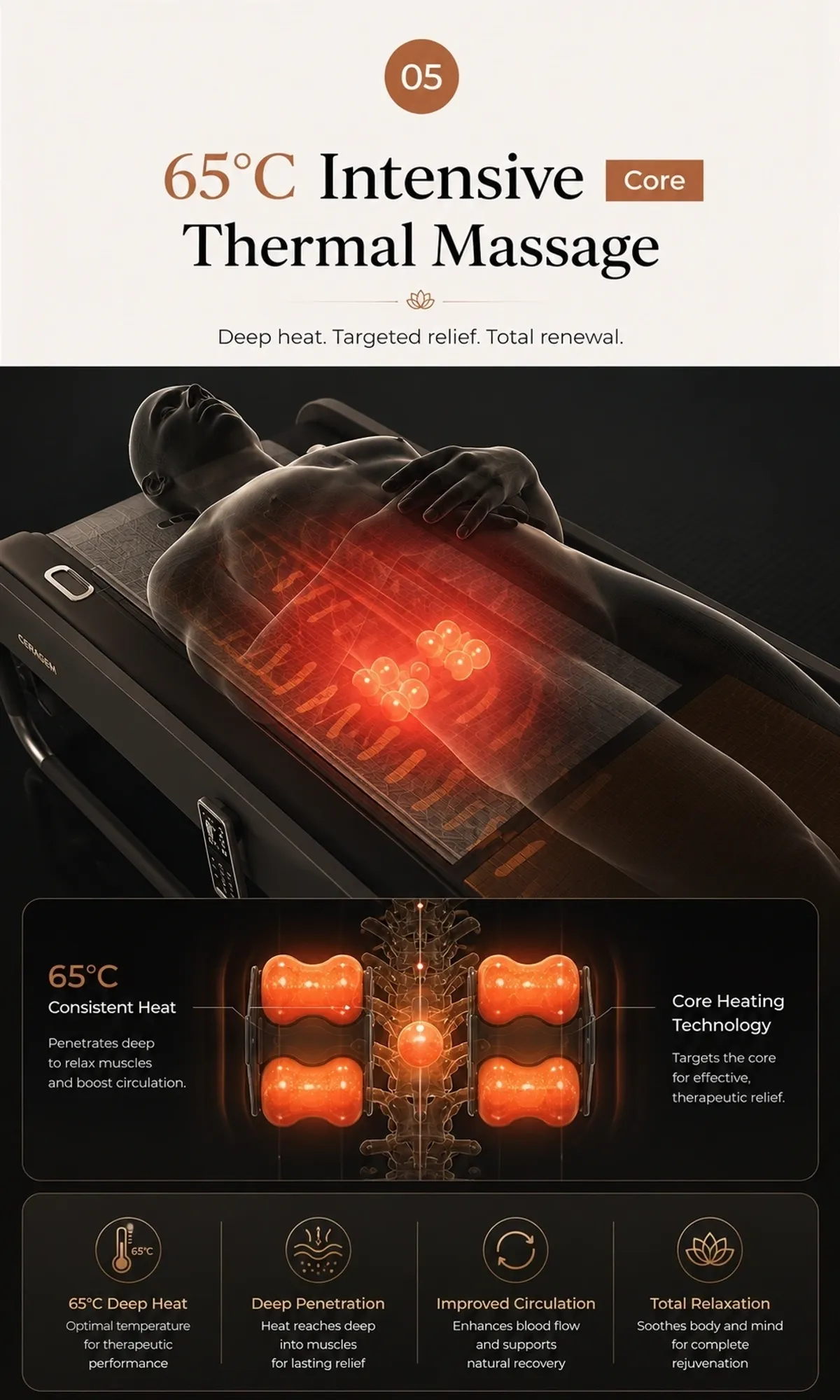
The CERAGEM Master V4 is designed to address multiple dimensions of self-care in a single session. Its far infrared thermal therapy supports physical recovery and nervous system regulation. Its automated spinal massage addresses the accumulated tension of daily life. And the experience of lying still, warm, and supported for 30–40 minutes creates a space for genuine rest that is increasingly rare in modern life.
For many CERAGEM Shaw guests, their weekly or bi-weekly session has become the anchor of their self-care routine — the practice around which other habits are organized. It is a dedicated time to stop, recover, and invest in their own wellbeing.

- Visit the CERAGEM Shaw Wellness Lounge in Mandaluyong for a guided wellness session.
- Experience the CERAGEM Master V4 — far infrared thermal therapy and spinal massage in one session.
- Book your first session at ceragemshaw.com/visit.
- Follow CERAGEM Shaw for weekly wellness tips and spine health insights.
Educational Disclaimer: The information in this article is for general wellness and educational purposes only. It is not intended to diagnose, treat, cure, or prevent any medical condition. Consult a qualified healthcare professional for personalized health guidance.