Most of us have experienced the difference between being truly relaxed and simply being still. You can sit quietly on a sofa and still feel tense, wired, or mentally restless. True deep relaxation — the kind where your body genuinely lets go — is a distinct physiological state, not just the absence of activity.
At the center of this state is a remarkable structure called the vagus nerve. Understanding how it works — and how to support it — is one of the most practical things you can do for your overall wellness.
What Is the Vagus Nerve?
The vagus nerve is the tenth cranial nerve and the longest nerve in the autonomic nervous system. It runs from the brainstem down through the neck, chest, and abdomen, connecting the brain to the heart, lungs, digestive system, and other vital organs. The name comes from the Latin word for "wandering" — an apt description for a nerve that travels so extensively through the body.
The vagus nerve is the primary pathway of the parasympathetic nervous system — the branch of the nervous system responsible for the "rest and digest" state. When vagal activity is high, the body shifts away from the stress response and into a state of recovery, repair, and restoration.
The Stress-Recovery Balance
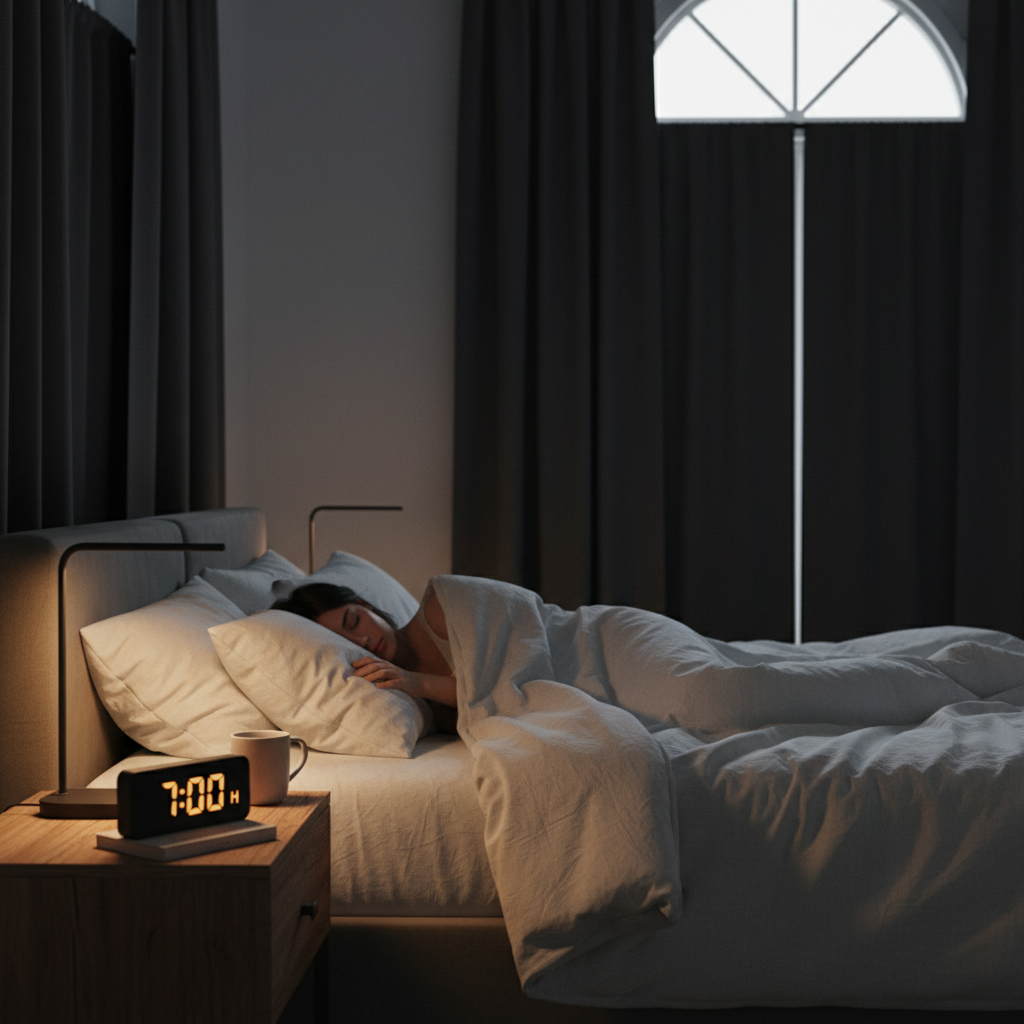
The autonomic nervous system operates on a balance between two states: the sympathetic ("fight or flight") and the parasympathetic ("rest and digest"). Modern life — with its constant demands, screen time, traffic, deadlines, and digital noise — tends to keep many people in a chronically elevated sympathetic state.
This chronic low-grade stress has real physiological consequences. Sustained sympathetic activation affects sleep quality, digestion, immune function, and the body's ability to recover from physical and mental exertion. The vagus nerve is the primary mechanism through which the body returns to balance.
- Difficulty winding down at the end of the day
- Feeling "wired but tired" — exhausted but unable to relax
- Digestive discomfort or irregularity
- Shallow breathing or a tendency to hold your breath
- Waking up feeling unrefreshed despite adequate sleep hours
- Persistent muscle tension, especially in the neck and shoulders
How Thermal Therapy Supports Vagal Activation
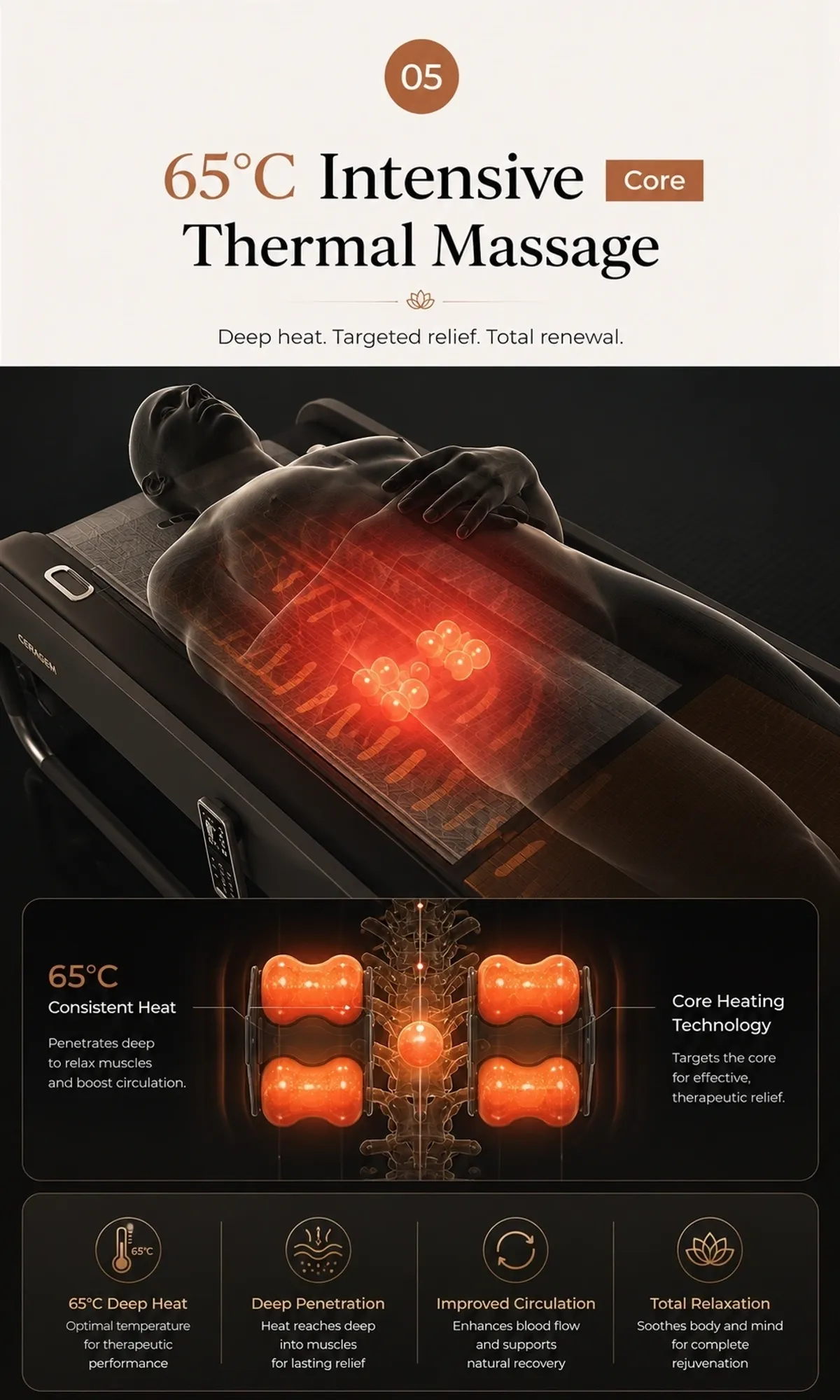
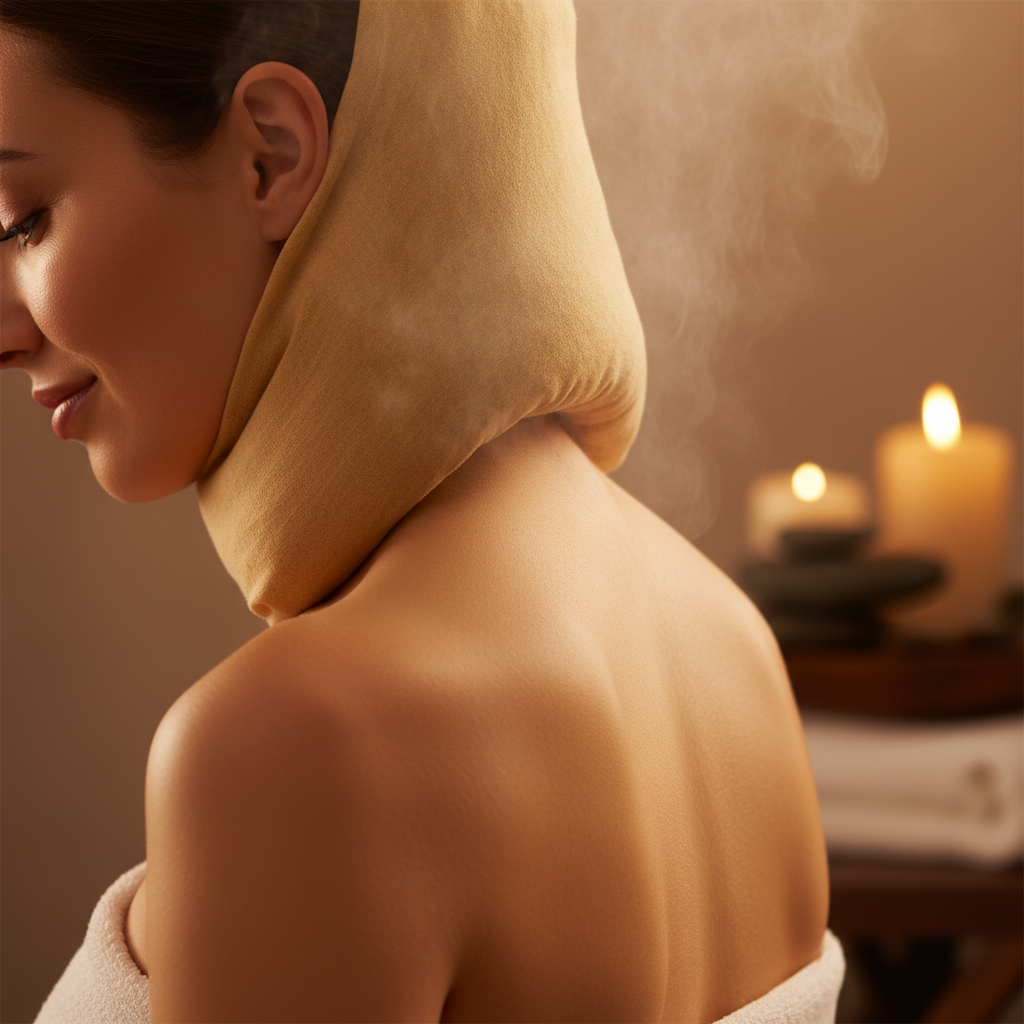
One of the most effective ways to activate the parasympathetic nervous system — and increase vagal tone — is through the application of warmth to the body. Thermal stimulation, particularly along the spine and abdomen, has been shown to promote parasympathetic activity.
This is one reason why a warm bath, a heated massage, or a session on a thermal wellness bed can produce such a profound sense of relaxation — one that goes beyond simple comfort. The warmth is communicating directly with the nervous system, signaling that it is safe to shift into the recovery state.
The Spine as a Pathway
The spine is not just a structural column — it is the housing for the spinal cord, through which the vagus nerve's signals travel to and from the brain. Tension in the muscles surrounding the spine can create a background of physical stress that keeps the nervous system in a heightened state.
Releasing that tension — through warmth, movement, and supported rest — can help lower the overall stress signal that the nervous system is receiving. This is why spinal wellness and deep relaxation are so closely connected: caring for the spine is, in a very real sense, caring for the nervous system.

Practical Ways to Support Your Vagal Tone Daily
- Slow, deep breathing: Extend your exhale to be longer than your inhale. Even 5 minutes of this can shift your nervous system state.
- Cold water on the face: Splashing cold water on your face briefly activates the dive reflex, which stimulates vagal activity.
- Humming or singing: The vagus nerve passes through the vocal cords — vibration in this area directly stimulates it.
- Thermal wellness sessions: Regular sessions with far infrared heat along the spine support parasympathetic activation.
- Consistent sleep: The vagus nerve is most active during deep sleep — protecting your sleep schedule protects your vagal tone.
- Gentle movement: Walking, stretching, and light exercise all support vagal activity.
Deep relaxation is not a luxury — it is a biological necessity. The body's ability to recover, repair, and restore itself depends on regular, genuine shifts into the parasympathetic state. Building practices that support this shift is one of the most meaningful investments you can make in your long-term wellness.
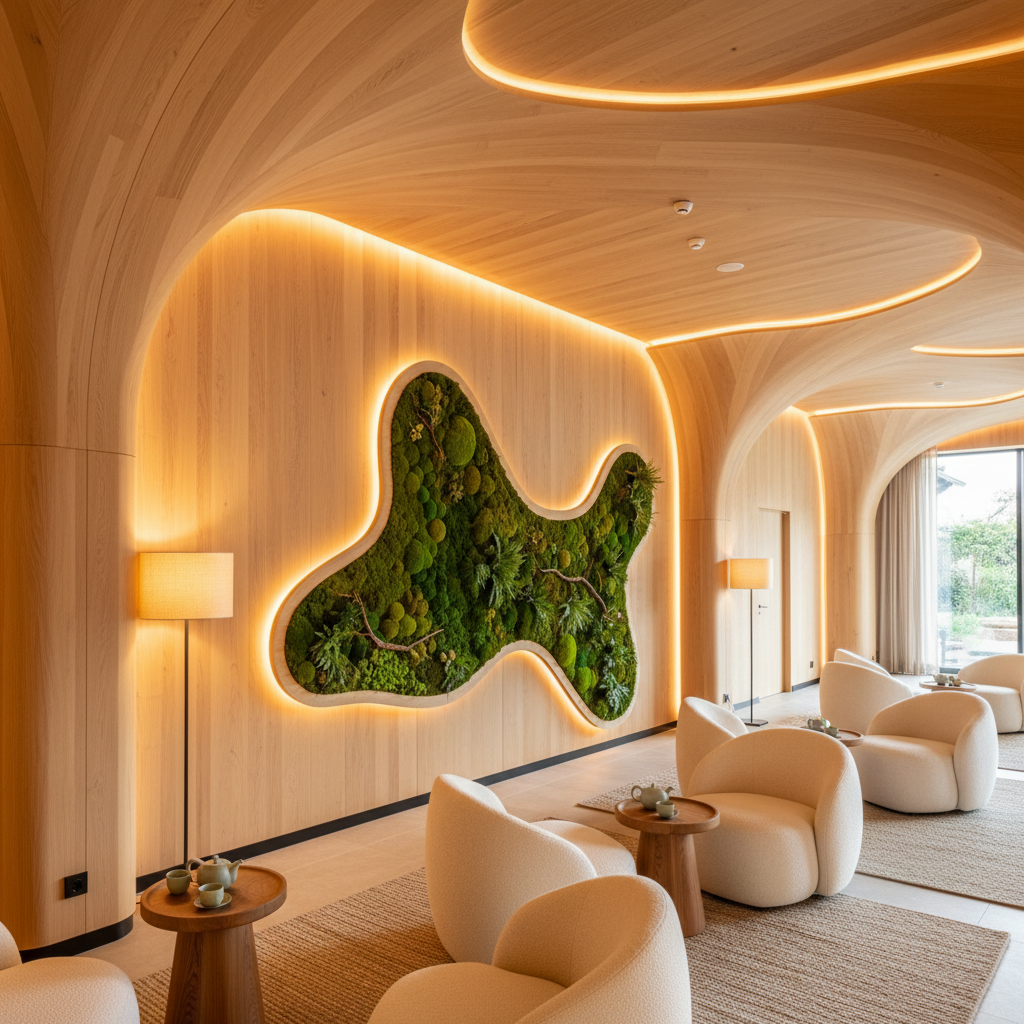
- The CERAGEM Shaw Wellness Lounge is designed as a dedicated space for deep relaxation and nervous system recovery.
- The CERAGEM Master V4 combines far infrared thermal heat with spinal massage — a powerful combination for vagal activation.
- Book your session at ceragemshaw.com/visit.
Educational Disclaimer: This article is for general wellness and educational purposes only. It is not intended to diagnose, treat, cure, or prevent any medical condition. Consult a qualified healthcare professional for personalized health guidance.