

The spine is designed to maintain four natural curves — a gentle inward curve at the neck, an outward curve at the upper back, an inward curve at the lower back, and a slight outward curve at the tailbone. When these curves are in their natural alignment, the spine distributes load efficiently, the surrounding muscles work in balance, and the nervous system functions without unnecessary interference.
But modern life — with its hours of sitting, screen use, carrying bags on one shoulder, sleeping in unsupported positions, and chronic stress — quietly works against this natural alignment. Over time, small postural habits accumulate into patterns that shift the spine away from its optimal position.
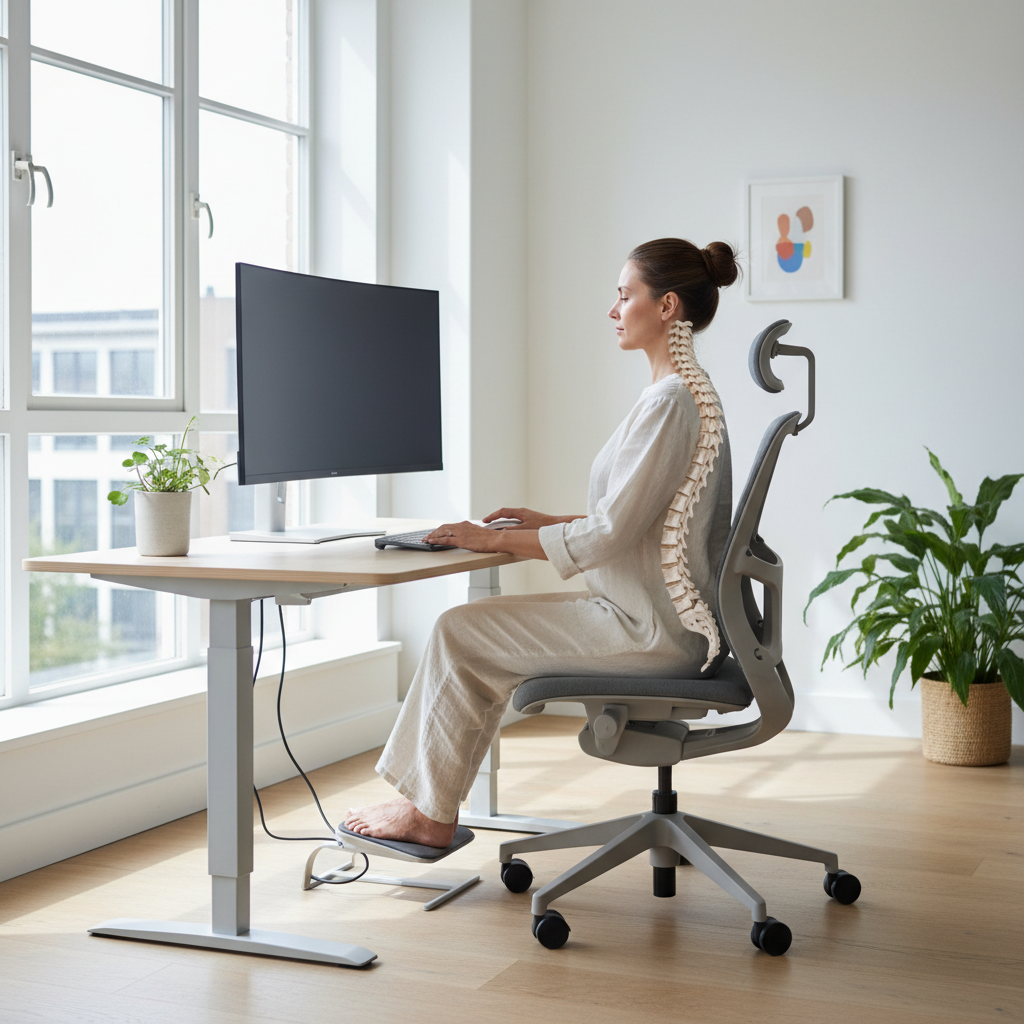
Common Signs That Your Spine May Be Out of Alignment
The following signs are not diagnostic — only a qualified healthcare professional can assess spinal alignment. But they are common indicators that the spine and its surrounding structures may be under more stress than they should be. If you recognize several of these patterns in your own body, it may be worth paying closer attention to your posture and movement habits — and consulting a professional if symptoms persist.
1. Persistent Asymmetry in How You Feel
One of the most telling signs of spinal misalignment is asymmetry — when one side of the body consistently feels different from the other. This might show up as one shoulder sitting higher than the other, one hip feeling tighter, one side of the neck being more restricted in movement, or one leg feeling heavier or more fatigued.
The spine is a midline structure, and when it is in alignment, the body tends to feel relatively symmetrical. Persistent asymmetry — especially when it doesn't resolve with rest — can be a signal worth investigating.

2. Recurring Tension in the Same Location
Everyone experiences muscle tension from time to time. But when tension consistently returns to the same spot — the same side of the neck, the same area of the lower back, the same point between the shoulder blades — it suggests that something structural may be contributing to the pattern.
Muscles that are chronically overworked because they are compensating for a misaligned spine will continue to tighten, regardless of how much you stretch or massage them, until the underlying alignment issue is addressed.
3. Uneven Wear on Your Shoes
This is one of the simplest and most overlooked indicators of postural imbalance. Look at the soles of a pair of shoes you wear regularly. If the wear pattern is significantly different between the left and right shoe — or if one heel wears down much faster than the other — it suggests that your weight distribution is uneven.
Uneven weight distribution often originates higher up in the kinetic chain — at the hips, pelvis, or spine. It's a small but meaningful clue about how your body is moving through the world.
4. Fatigue That Seems Disproportionate to Your Activity Level
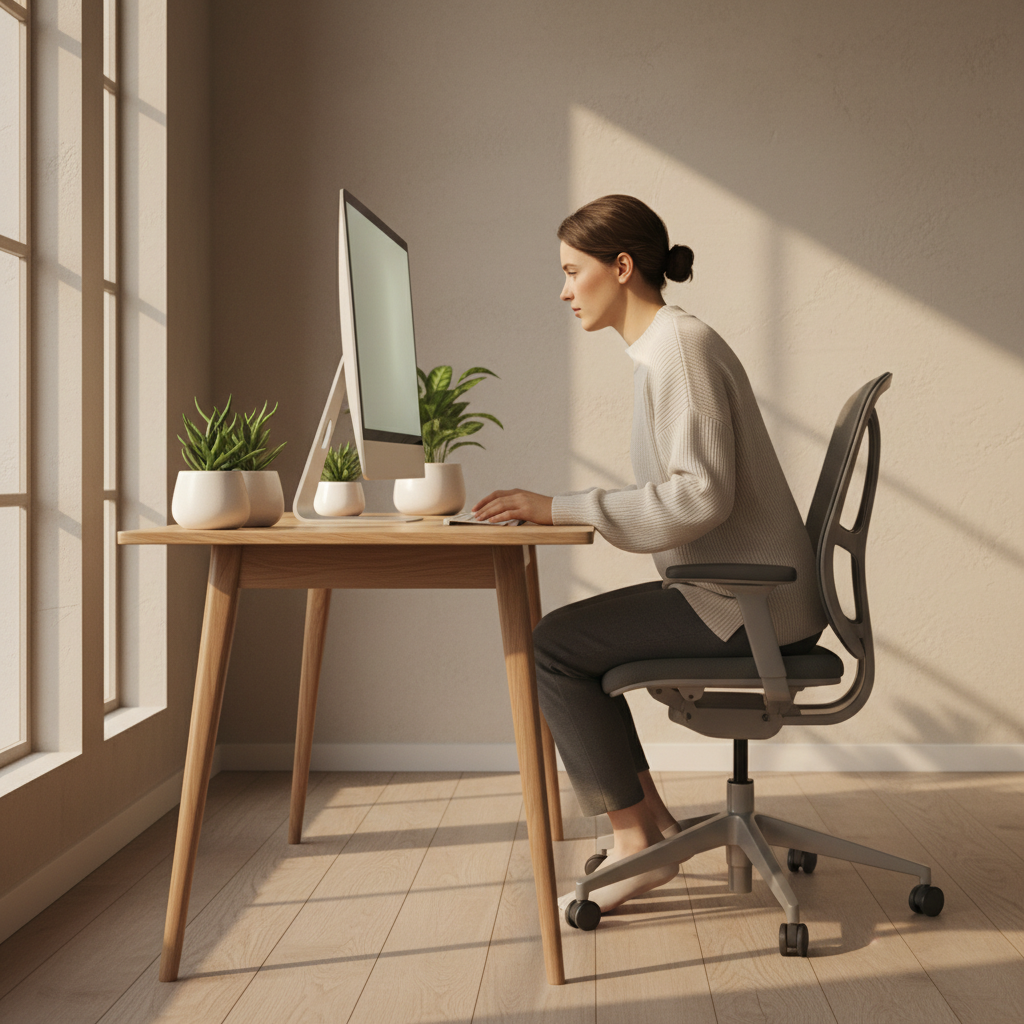
When the spine is out of alignment, the muscles surrounding it have to work harder to maintain an upright position. This sustained extra effort — even if it's subtle — consumes energy. People with significant postural imbalances often report feeling more fatigued than their activity level would seem to justify.
If you consistently feel tired by mid-afternoon despite adequate sleep, and you spend most of your day sitting at a desk, your posture and spinal alignment may be contributing to that fatigue.
- Stand with your back against a flat wall. Your heels, buttocks, upper back, and the back of your head should all touch the wall comfortably.
- If you need to strain to get your head to touch, or if there is a large gap between your lower back and the wall, this may indicate postural patterns worth addressing.
- This is not a diagnostic test — but it can give you a useful sense of your natural standing posture.
5. Restricted Range of Motion
A well-aligned spine moves freely in all directions — forward, backward, side to side, and in rotation. When alignment is compromised, movement in certain directions may feel restricted, stiff, or uncomfortable. Many people notice this most clearly when turning their head to check a blind spot while driving, or when trying to look over their shoulder.

What to Do If You Recognize These Signs
If you recognize several of these patterns in your own body, the most important first step is to consult a qualified healthcare professional — a physiotherapist, chiropractor, or orthopedic specialist — who can properly assess your spinal alignment and recommend appropriate care.
In parallel, building better daily habits — more movement, better ergonomics, consistent wellness practices — can support your spine's natural alignment over time.
- Move regularly throughout the day — even brief standing and walking breaks help.
- Check your workstation ergonomics: screen at eye level, feet flat on the floor, lower back supported.
- Sleep on a supportive mattress with a pillow that keeps your neck aligned with your spine.
- Strengthen your core — the muscles of the abdomen and lower back are the primary support system for the spine.
- Consider regular thermal wellness sessions to support muscle relaxation along the spine.
- Visit CERAGEM Shaw for a wellness session — ceragemshaw.com/visit.
Educational Disclaimer: The information in this article is for general wellness and educational purposes only. It is not intended to diagnose, treat, cure, or prevent any medical condition. If you have persistent pain or concerns about your spinal health, consult a qualified healthcare professional.