
Most people approach self-care the same way they approach a New Year's resolution. They commit intensely for a short period — a week of early mornings, a month of gym sessions, a weekend wellness retreat — and then life takes over. The routine fades. The intention remains, but the practice disappears.
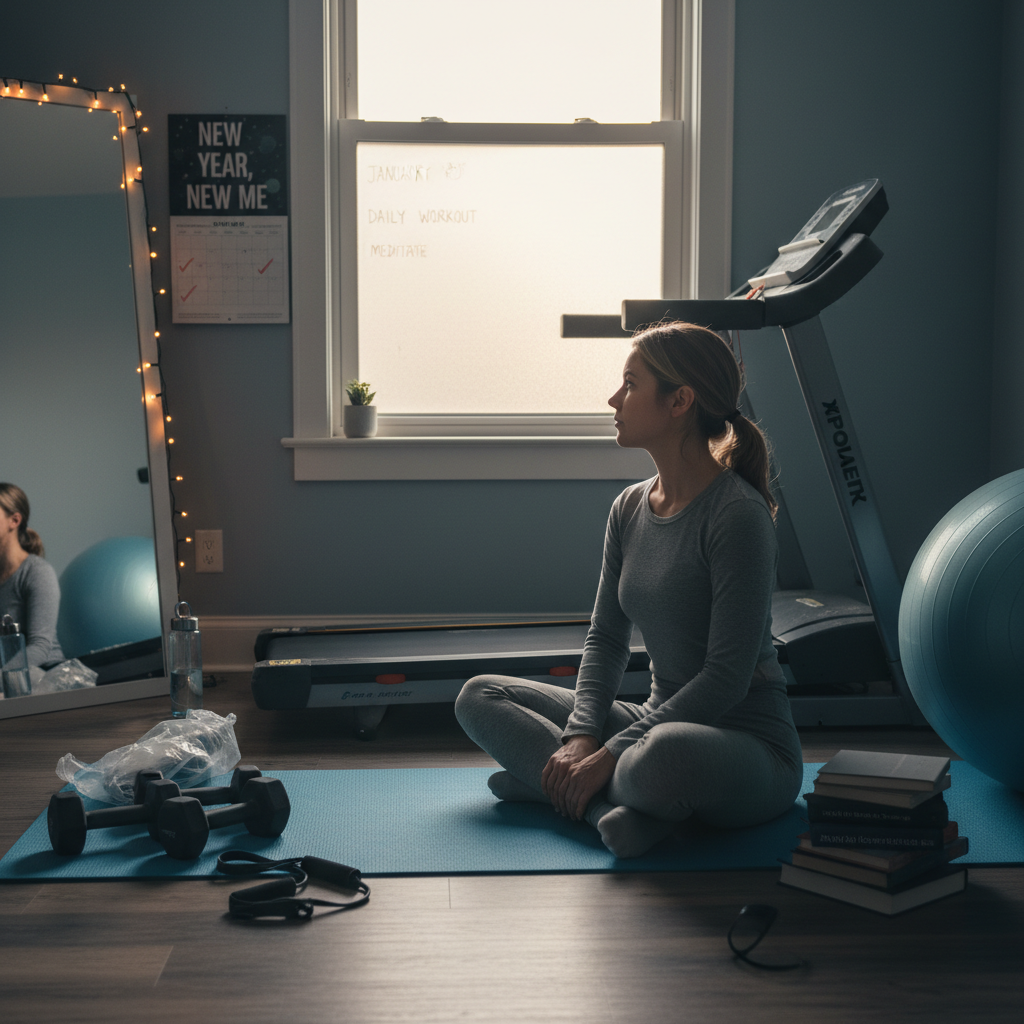
This is not a failure of willpower. It is a misunderstanding of how self-care actually works. The body does not respond to occasional grand gestures. It responds to consistent, repeated signals. And the most powerful signal you can send your body is simply: I show up for you, regularly.

Why Consistency Matters More Than Intensity
Consider two people. The first goes to a spa once every three months for a full-day treatment. The second takes ten minutes every evening to stretch, breathe, and decompress. After a year, who has invested more in their wellness? The numbers might be similar. But the outcomes are not.
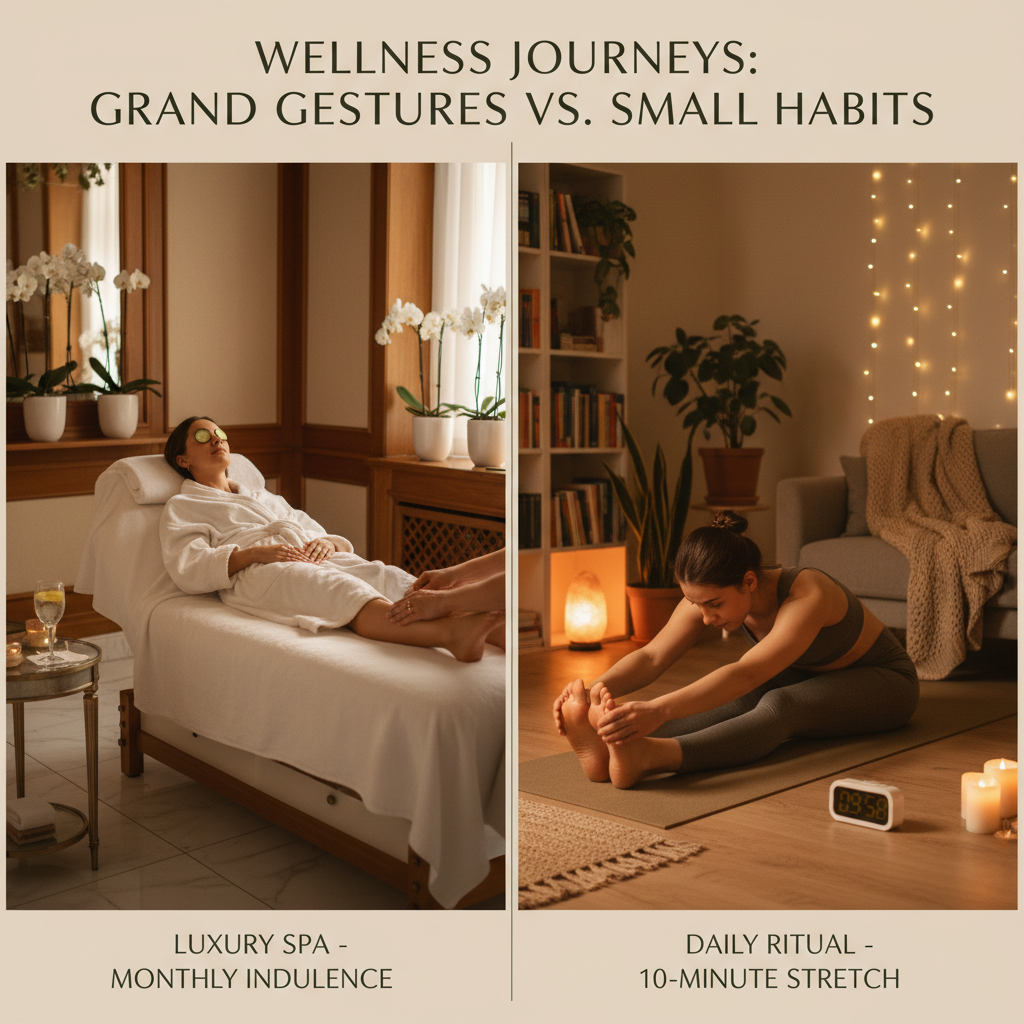
The body adapts to what it experiences repeatedly. Regular movement keeps muscles supple and joints mobile. Regular relaxation trains the nervous system to shift out of stress mode more easily. Regular sleep at consistent times improves sleep quality over time. These benefits compound — slowly, quietly, and powerfully.

Occasional wellness activities, by contrast, provide a temporary reset. They feel wonderful in the moment. But without the foundation of consistent daily habits, the benefits fade quickly. You return to baseline — and sometimes, the contrast between the wellness experience and everyday life makes the gap feel even wider.
Why Busy Professionals Struggle With Consistency
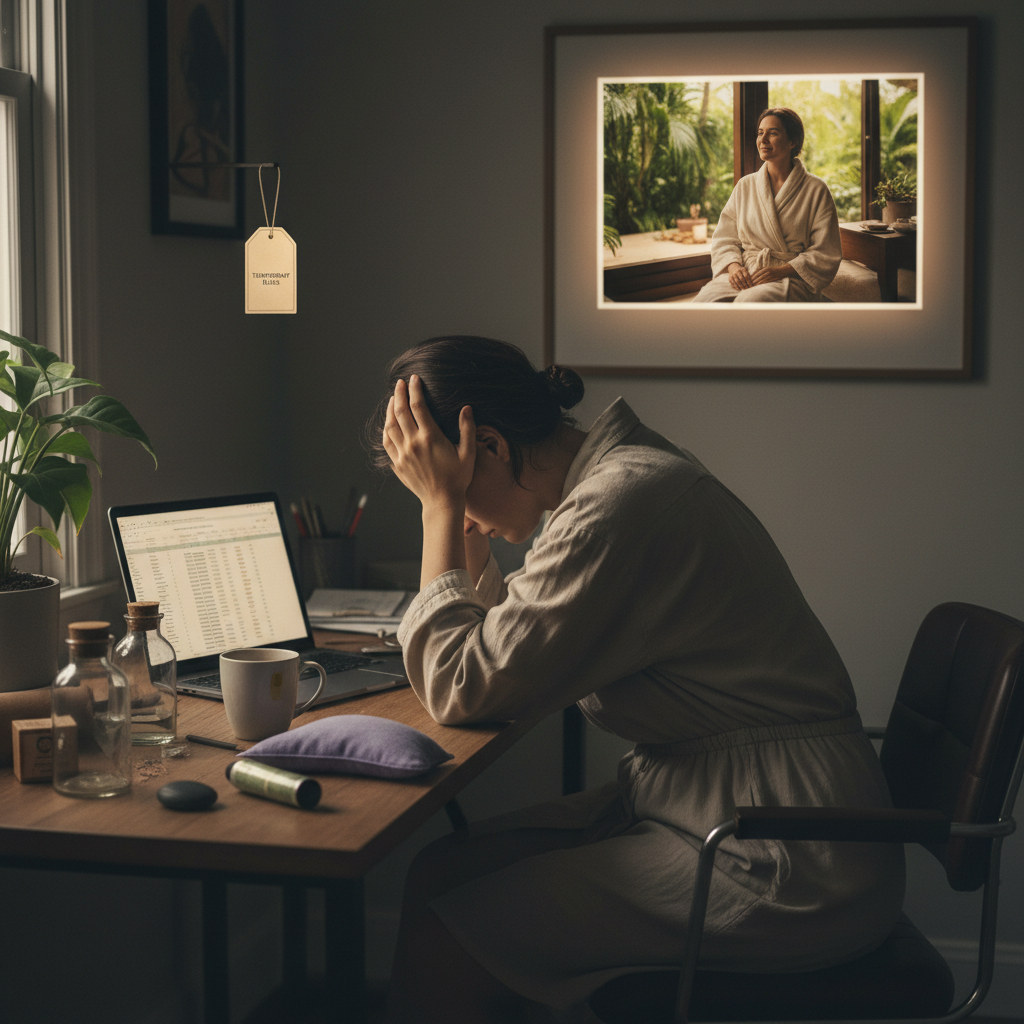
The most common reason people give for inconsistent self-care is time. And it is a legitimate concern. When work is demanding, when family responsibilities are heavy, when the calendar is full — self-care is often the first thing to be cancelled.

But there is a deeper issue beneath the time problem. Many people unconsciously treat self-care as a reward — something they earn after completing their responsibilities. This framing makes self-care perpetually optional. There is always something more urgent, more productive, more justifiable.

The shift that changes everything is treating self-care as maintenance — not a luxury, but a requirement for sustained performance. You would not skip sleep for a week because you were busy. You would not stop eating because your schedule was full. Self-care belongs in the same category: non-negotiable, regular, and built into the structure of your day.
Building Realistic Daily and Weekly Wellness Habits
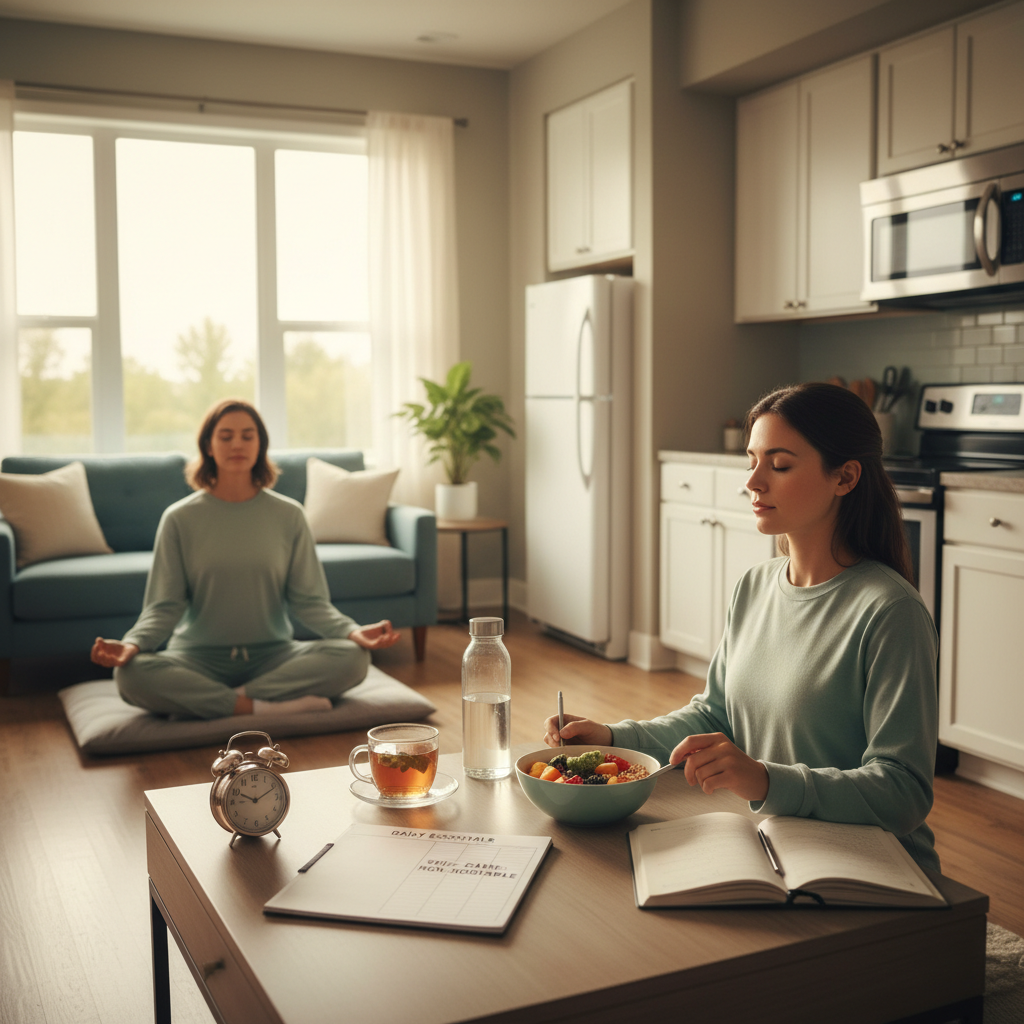
The most sustainable wellness routines are not the most ambitious. They are the most realistic. A five-minute morning stretch that you do every day is worth infinitely more than a forty-five-minute routine you do twice a month.
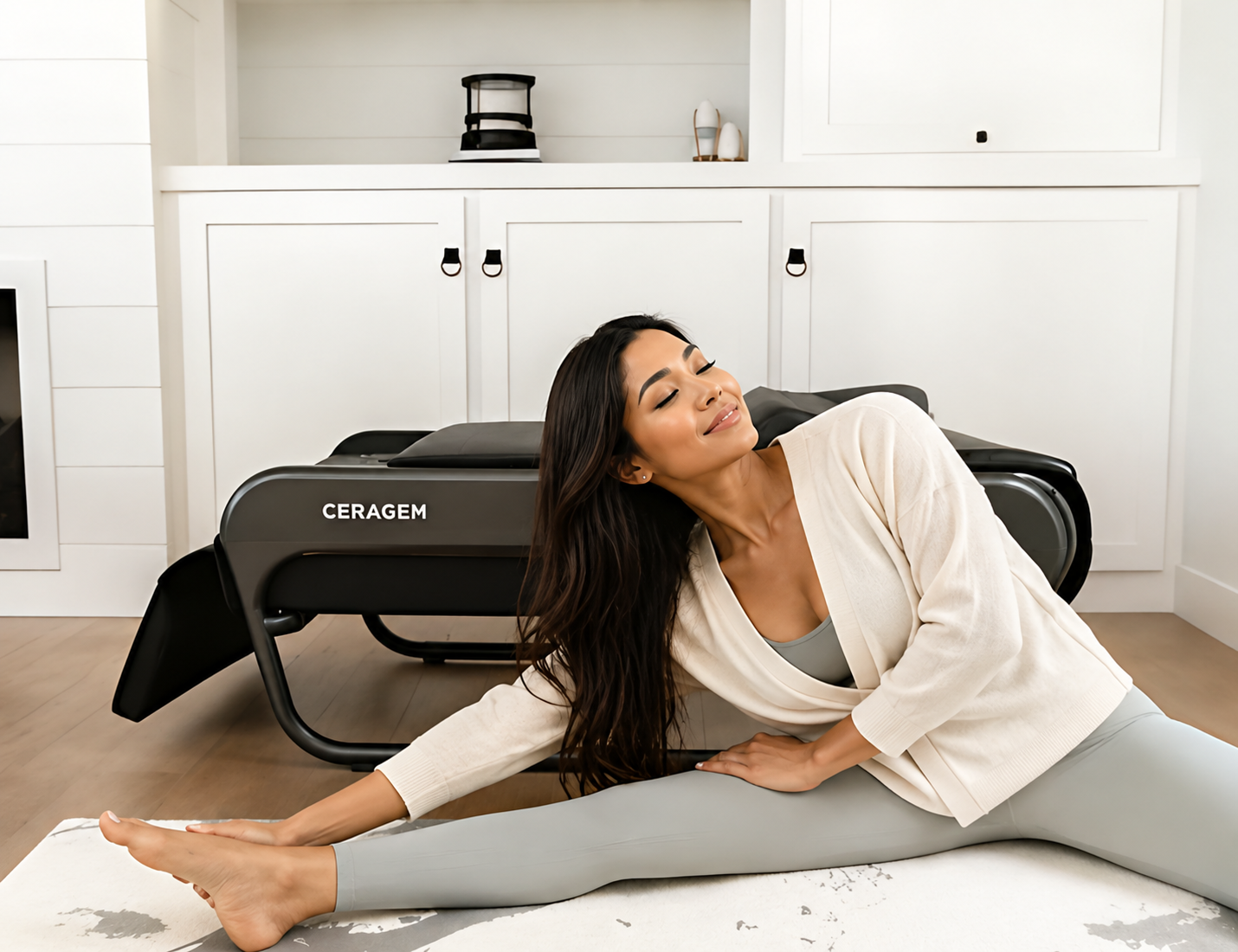
- Start smaller than you think you need to. A two-minute habit done daily beats a twenty-minute habit done occasionally.
- Attach new habits to existing ones — stretch after your morning coffee, breathe deeply before your first meeting, walk after dinner.
- Design your environment to make wellness easier — keep a yoga mat visible, set a phone reminder, prepare your wellness space the night before.
- Track your consistency, not your performance. The goal is showing up, not perfecting the practice.
- Give yourself permission to do less on hard days. A shortened version of your routine still counts. Showing up matters more than the duration.
- Review your routine monthly. What is working? What feels like a chore? Adjust accordingly.
The Role of Routines, Reminders, and Environment
Willpower is a limited resource. Relying on motivation to maintain a wellness routine is a strategy that works well at the beginning and fails over time. The professionals who sustain long-term wellness habits do not rely on motivation. They rely on systems.
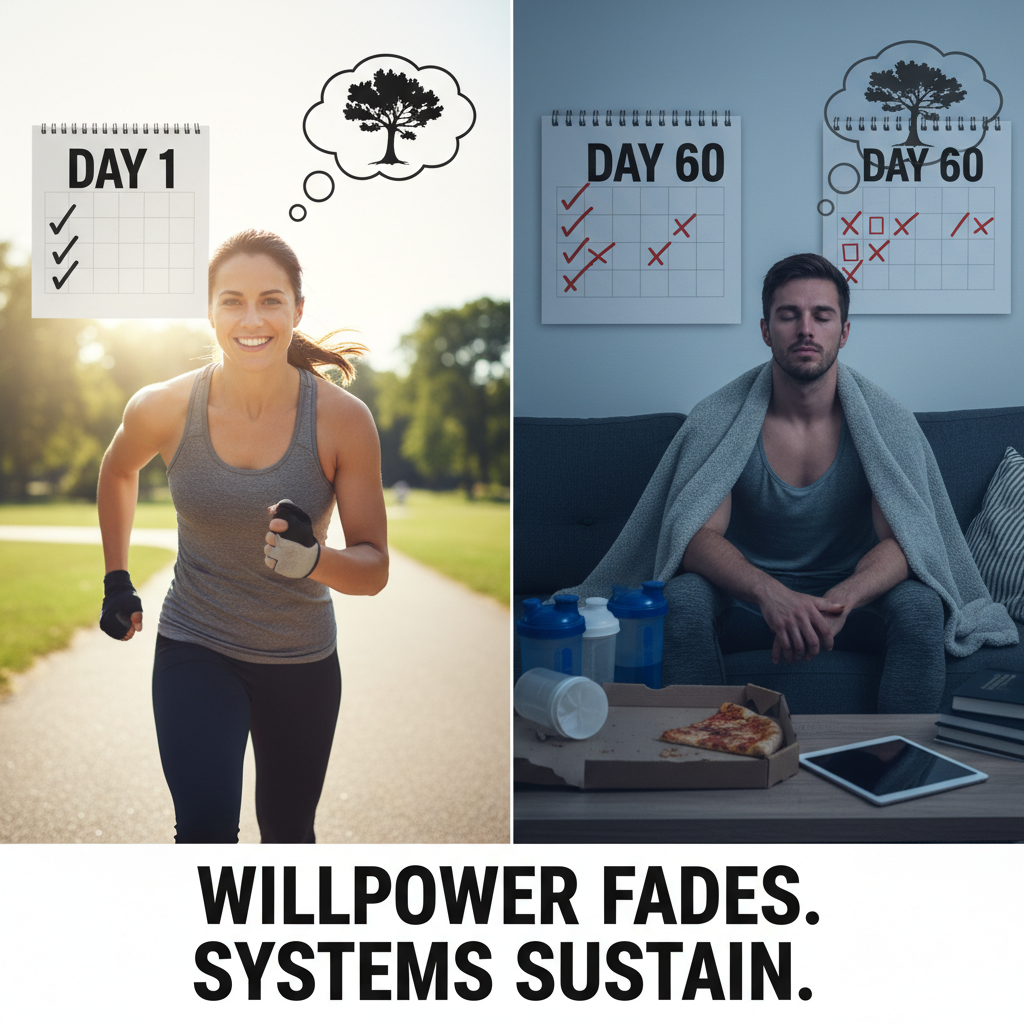
A system is a combination of routine, environment, and reminders that makes the desired behaviour easier to do than not to do. When your wellness practice is built into your schedule at a fixed time, in a prepared space, with a clear trigger — it requires far less mental energy to maintain.
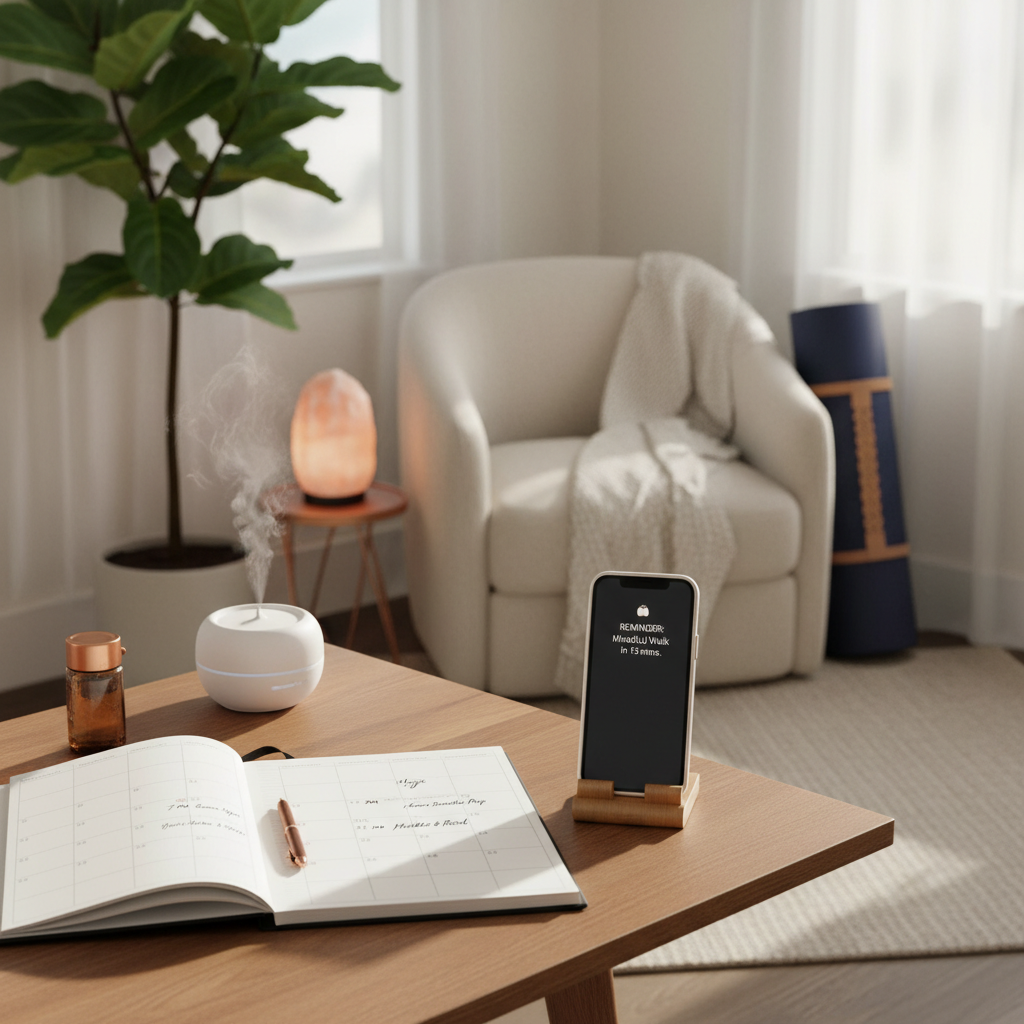
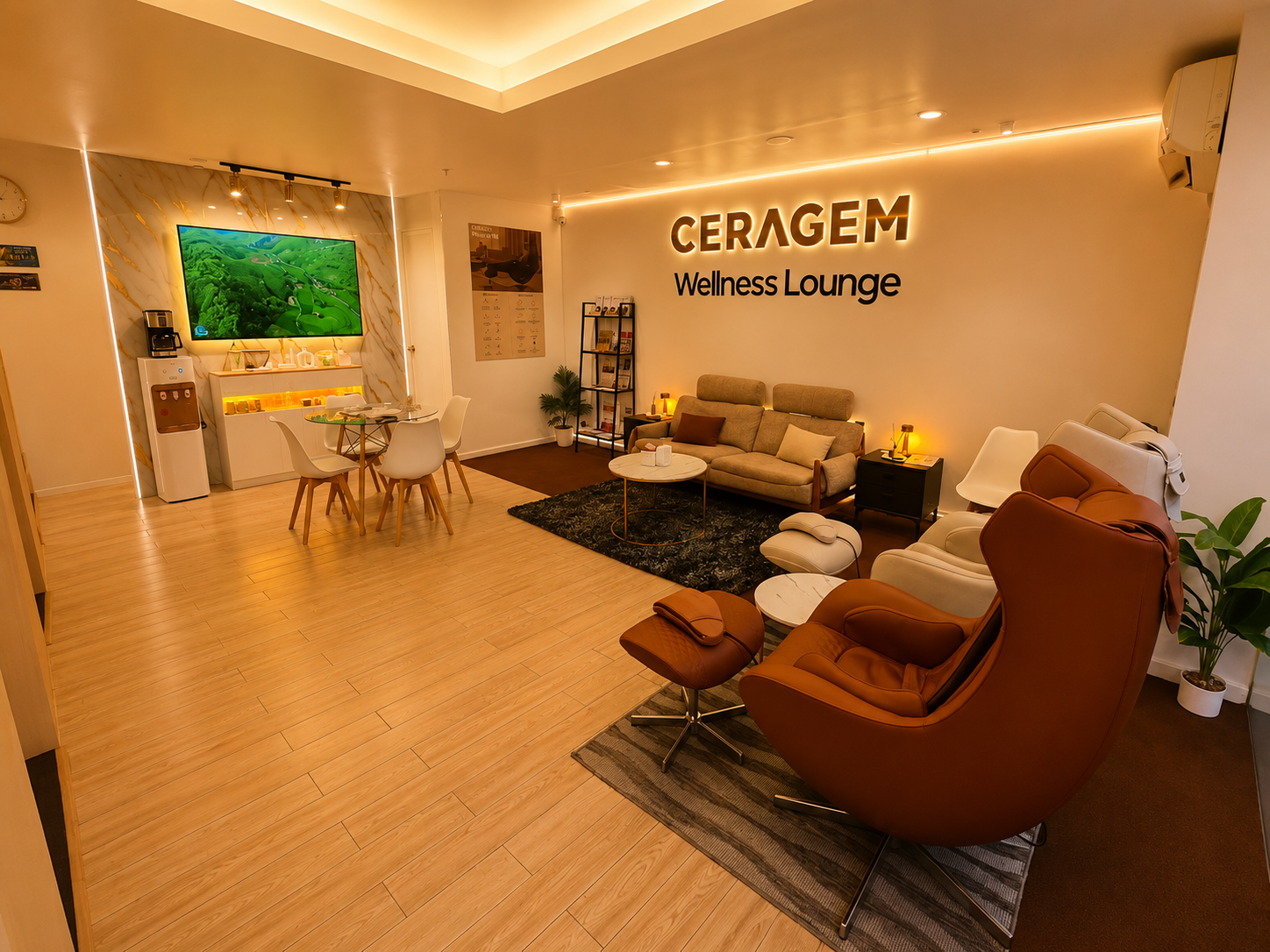
This is why dedicated wellness environments matter. A space that is set up for relaxation, recovery, and self-care removes the friction of preparation. You arrive, and the environment does the work of putting you in the right state of mind.
How Consistency Supports Long-Term Quality of Life
The long-term benefits of consistent self-care are not always visible in the short term. You may not notice the difference between a week of good habits and a week without them. But over months and years, the difference becomes profound.
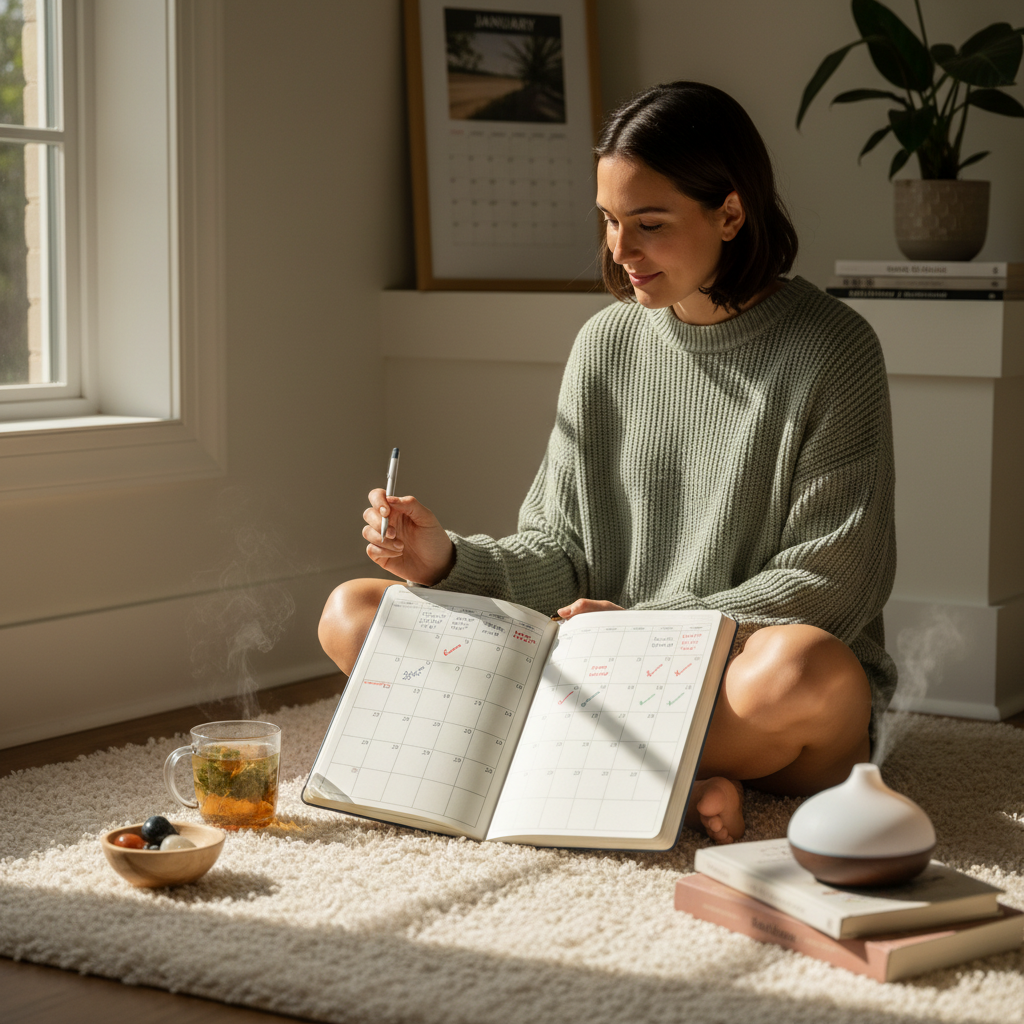
People who maintain consistent wellness habits tend to experience better energy levels, more stable moods, greater resilience to stress, and a stronger sense of physical wellbeing as they age. They are not immune to health challenges — but they tend to recover more easily, maintain their independence longer, and report a higher quality of life.
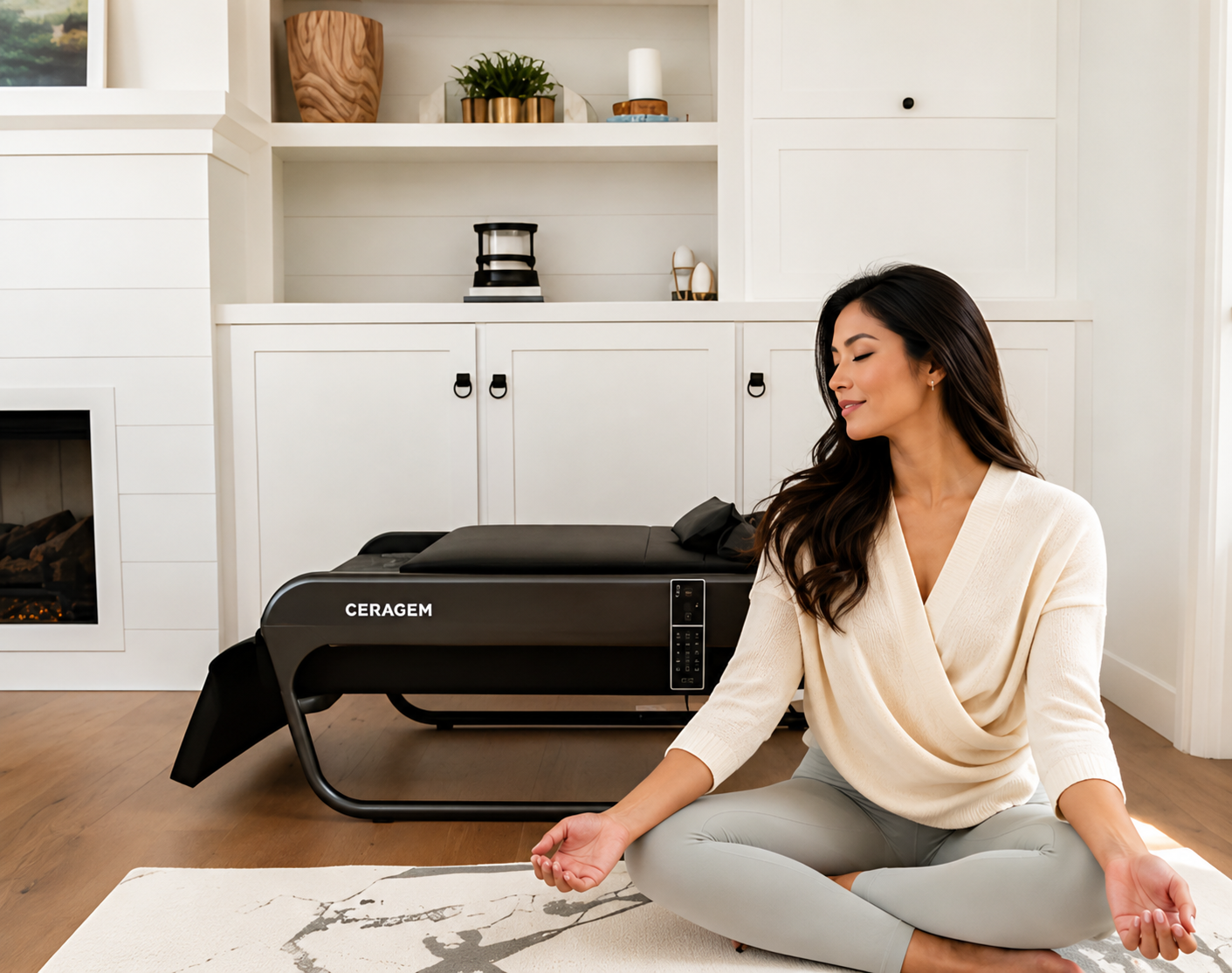
This is the quiet power of consistency. Not dramatic transformation. Not overnight results. Just the steady, compounding effect of showing up for yourself, day after day, in small but meaningful ways.
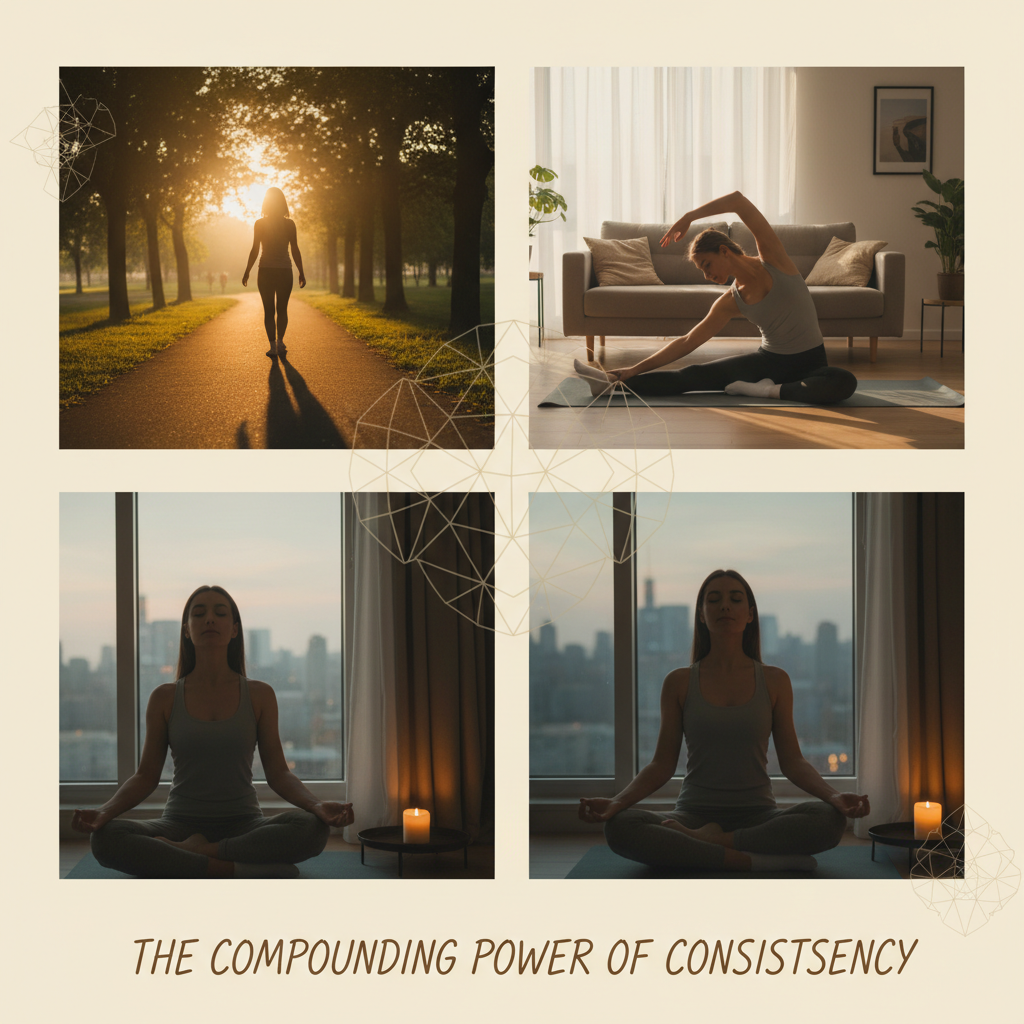
What You Can Do Today
- Choose one small wellness habit you can do every day for the next two weeks — something that takes five minutes or less.
- Decide when and where you will do it. Specificity dramatically increases follow-through.
- Set a reminder for the first week until the habit becomes automatic.
- At the end of two weeks, reflect: How did it feel? What got in the way? How can you make it easier?
- Once the first habit is stable, add a second. Build gradually, not all at once.

Key Takeaway
The most effective self-care is not the most dramatic. It is the most consistent. Small habits, practised regularly, create the foundation for lasting wellness. You do not need more time. You need more consistency — and the willingness to start smaller than feels significant.
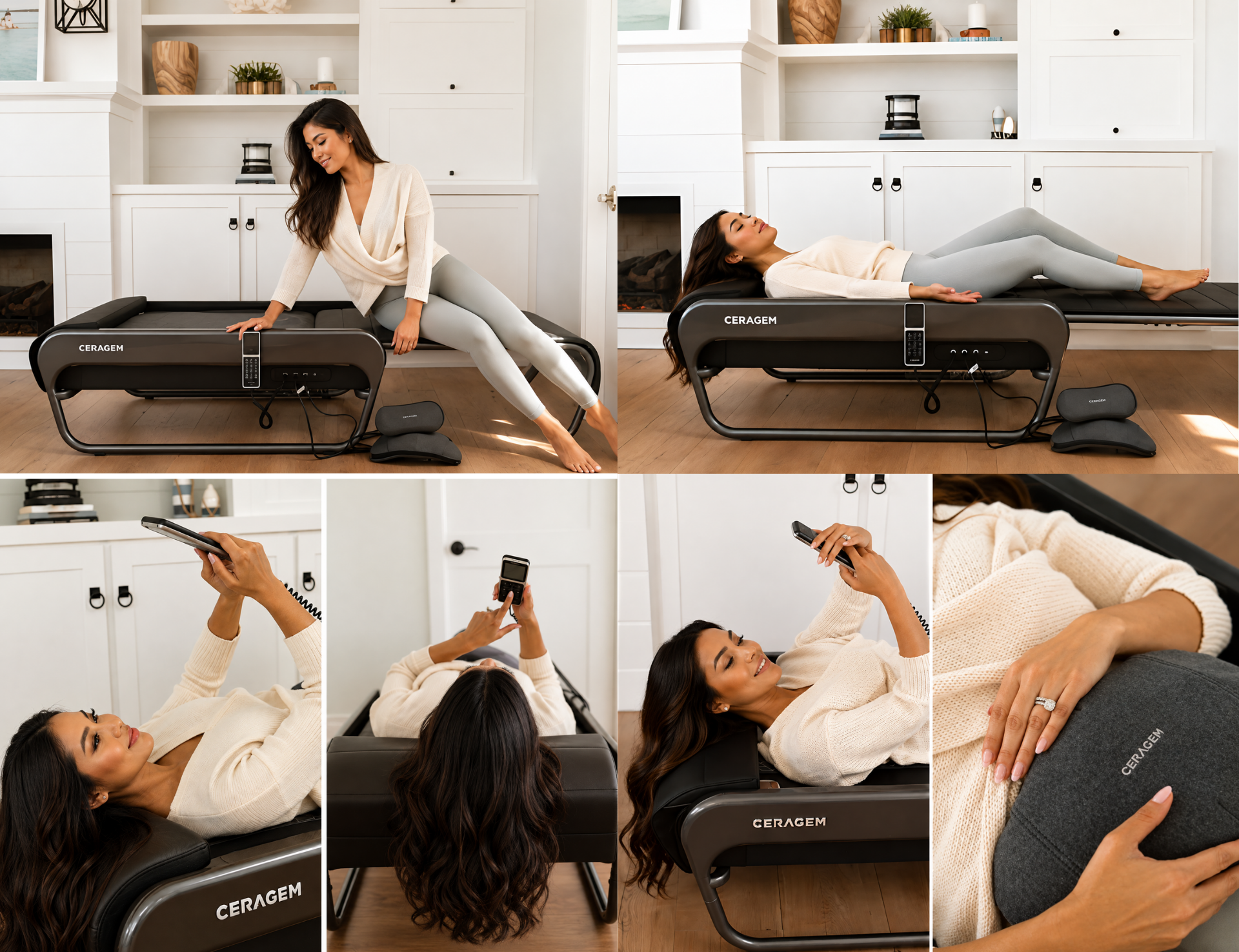
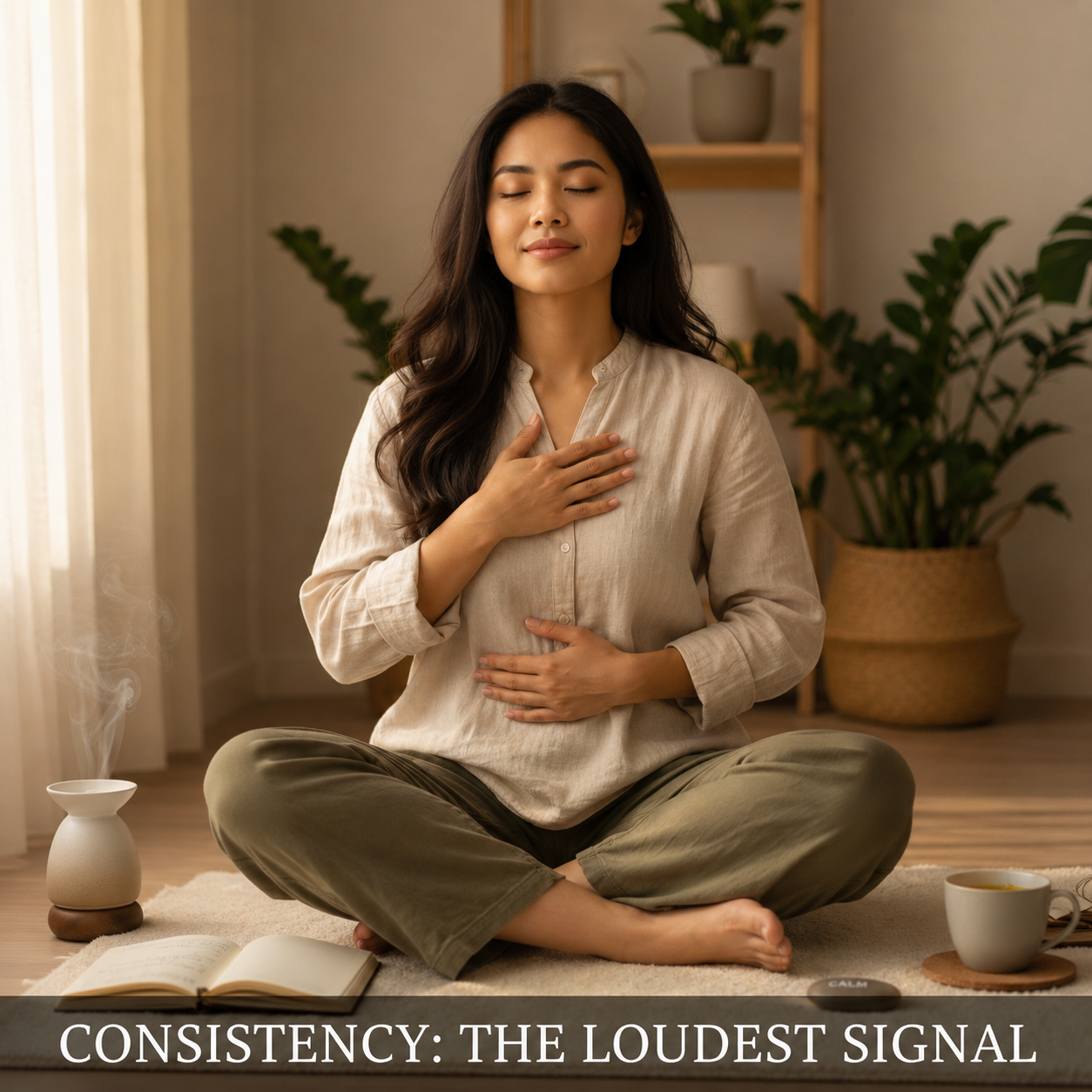
Your body is listening to every signal you send it. Make consistency the loudest signal of all.
- Discover the CERAGEM Shaw Wellness Lounge — a dedicated environment for relaxation, self-care, and spine wellness.
- Experience CERAGEM Shaw: ceragemshaw.com/visit
- Explore the CERAGEM Master V4 thermal wellness technology.
Educational Disclaimer: The information provided in this article is for general educational and wellness purposes only and is not intended to diagnose, treat, cure, or prevent any medical condition. If you have persistent pain, a diagnosed medical condition, or concerns about your health, consult a qualified healthcare professional.