There is a version of aging that most of us have seen — and quietly fear. The gradual loss of mobility. The increasing dependence on others. The sense that the body is slowly becoming a limitation rather than a vehicle for living fully.
And then there is another version. The person in their 70s who moves with ease, sleeps well, stays engaged with life, and maintains the independence and vitality that allow them to do what they love. The difference between these two versions of aging is not entirely genetic. It is, to a significant degree, a reflection of the habits built over decades.

Aging as a Natural Process
Aging is not a disease. It is a natural biological process — one that every living organism experiences. The body changes over time: muscle mass gradually declines, bone density shifts, recovery takes longer, sleep patterns evolve, and the joints accumulate the wear of decades of use.
These changes are normal. They are not failures. But they are also not entirely fixed. The rate and experience of aging is significantly influenced by lifestyle — by how consistently we move, how well we sleep, how effectively we manage stress, and how intentionally we care for our bodies.
Why Mobility and Independence Matter Most
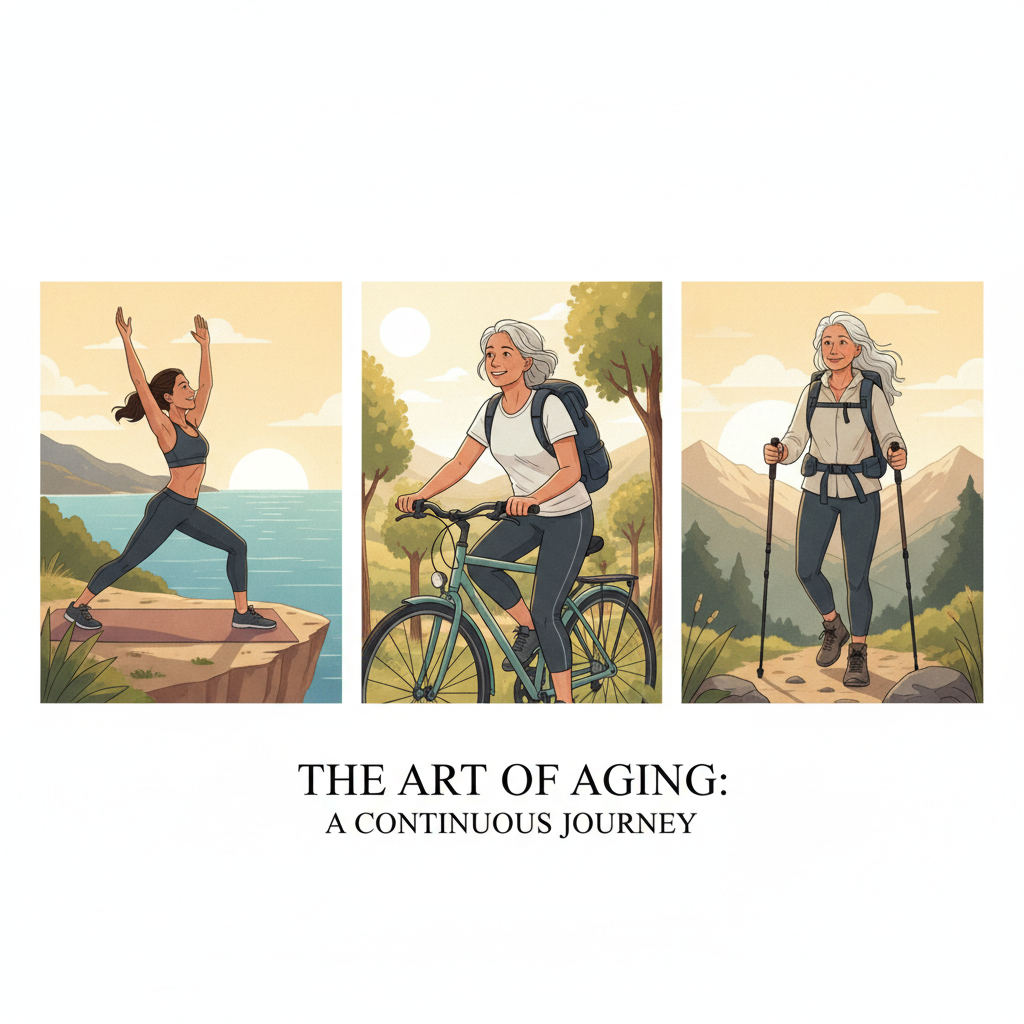
Ask most people what they want most as they age, and the answer is remarkably consistent: independence. The ability to move freely, care for themselves, and continue doing the things they love. Mobility — the capacity to move through a full range of motion without pain or restriction — is the foundation of that independence.
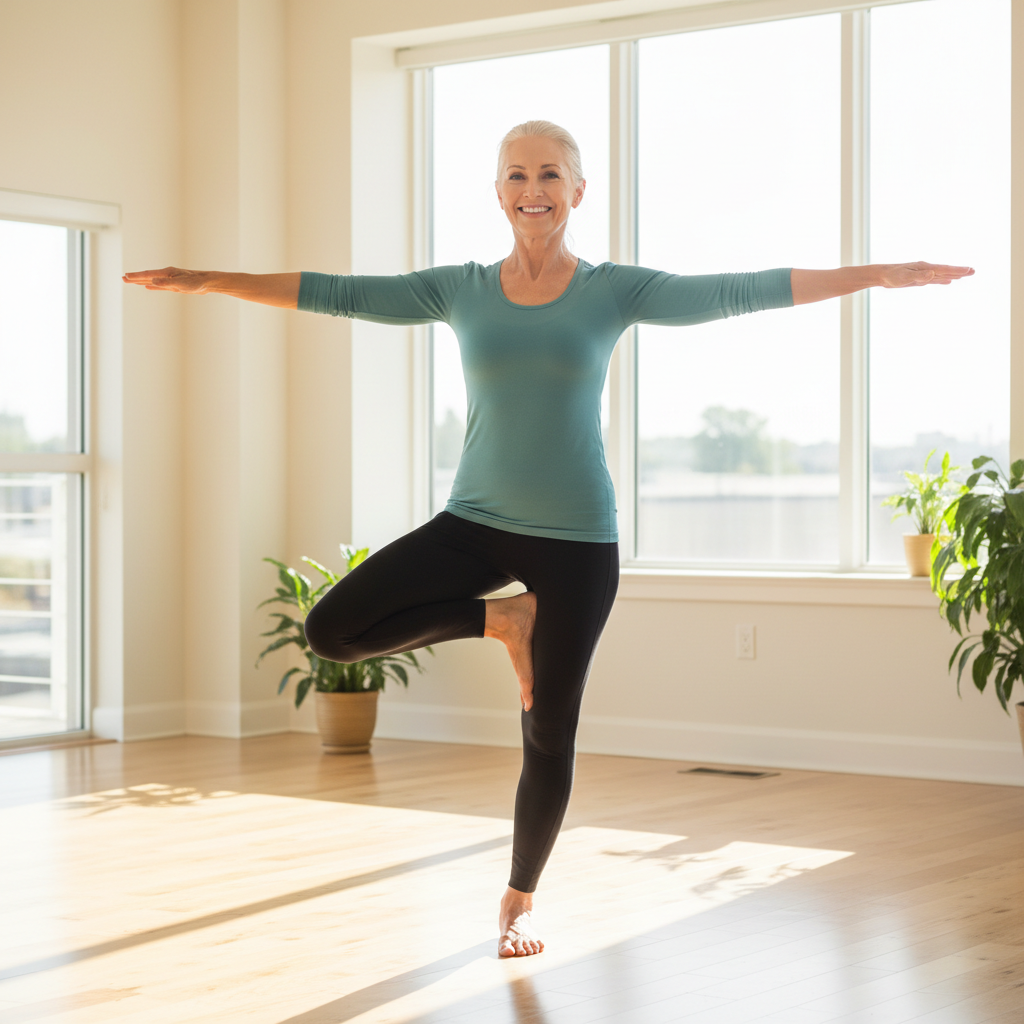
Mobility is not just about flexibility. It encompasses strength, balance, coordination, and the neuromuscular control that allows the body to move safely and efficiently. All of these qualities can be maintained and supported through consistent, appropriate movement throughout life.
Building a Wellness Routine That Evolves With You
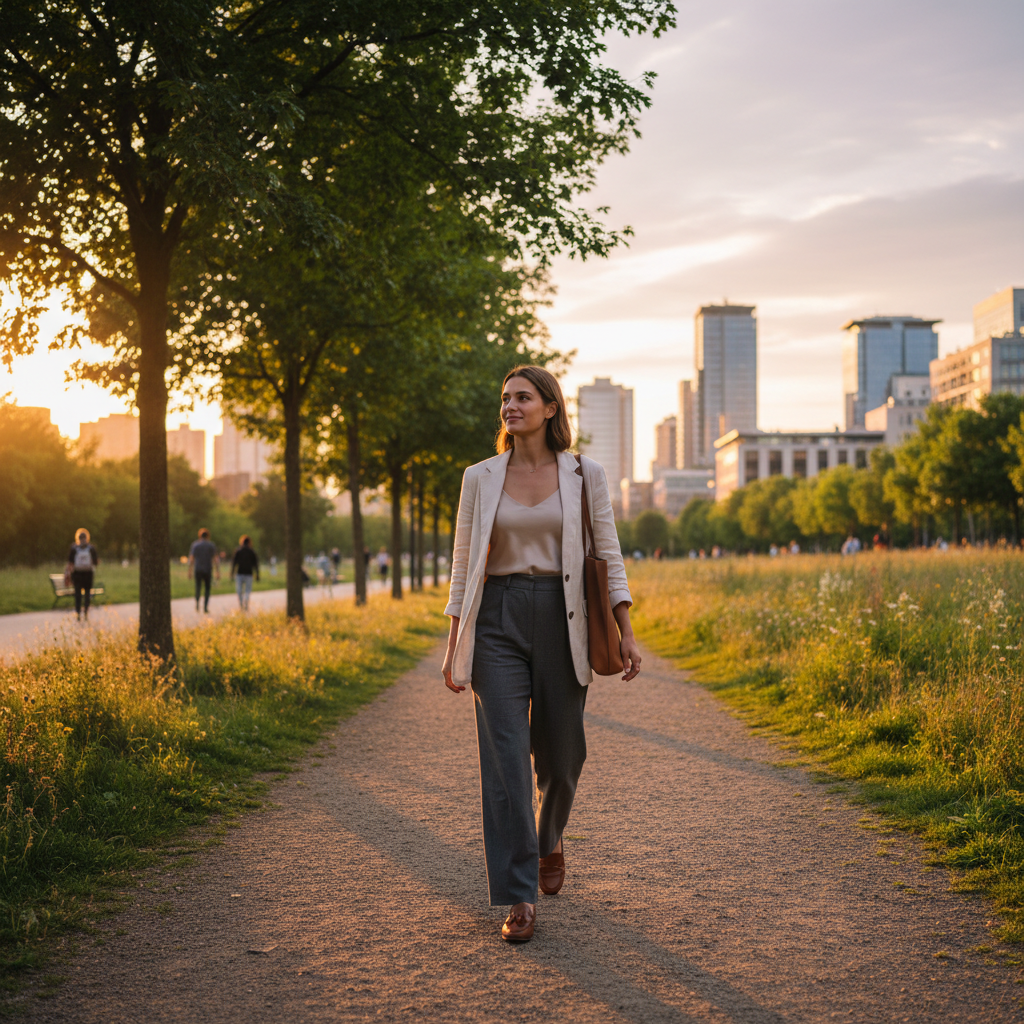
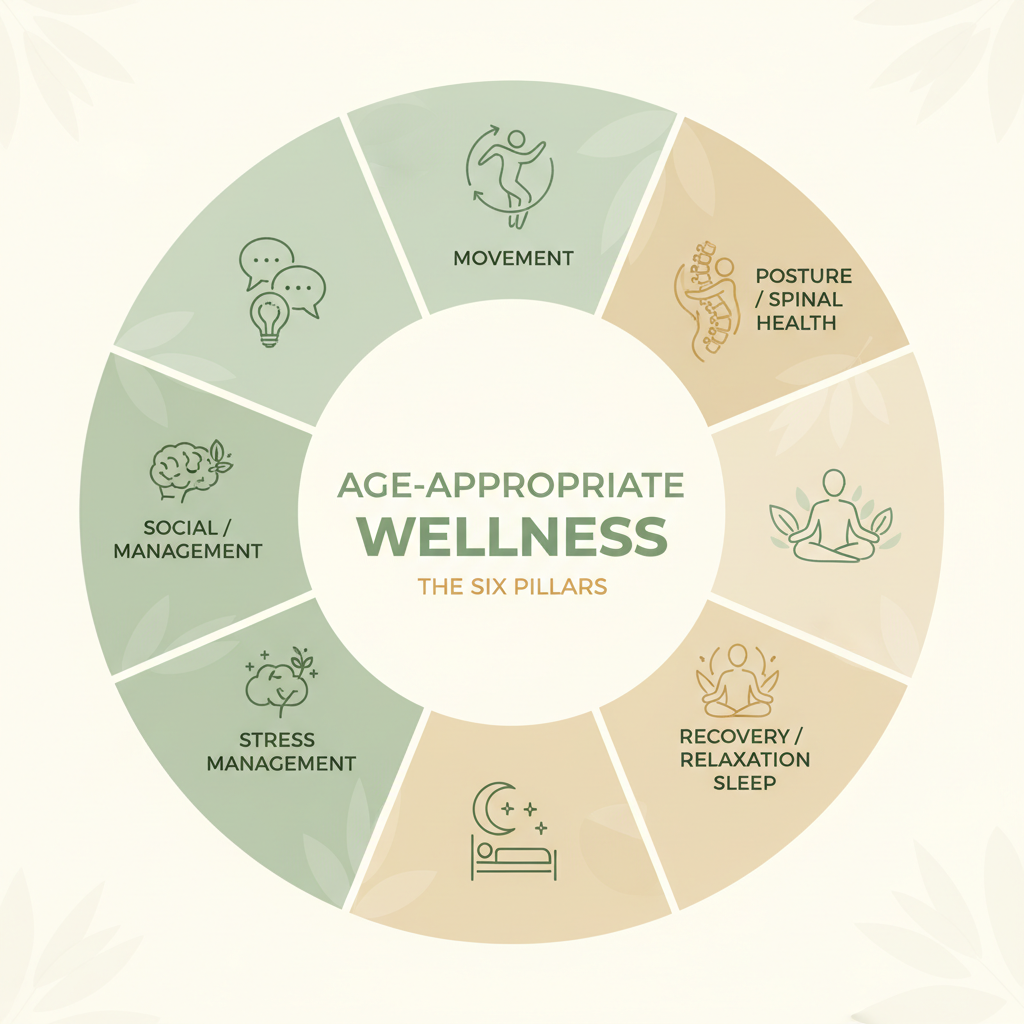
- Movement: Regular, varied movement that includes walking, stretching, balance work, and light strength training. The goal is consistency, not intensity.
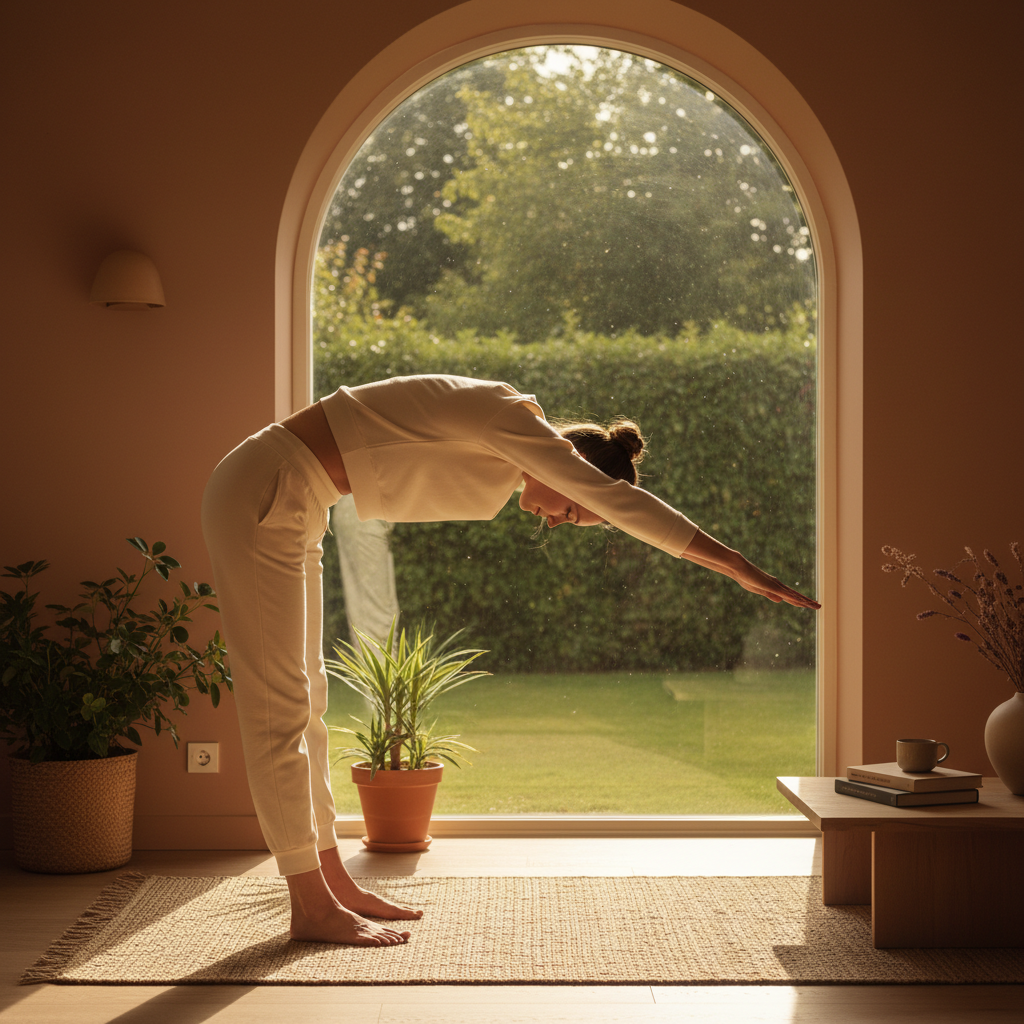
- Posture and spinal health: Good posture habits protect the spine and reduce the cumulative strain of decades of sitting, standing, and moving.
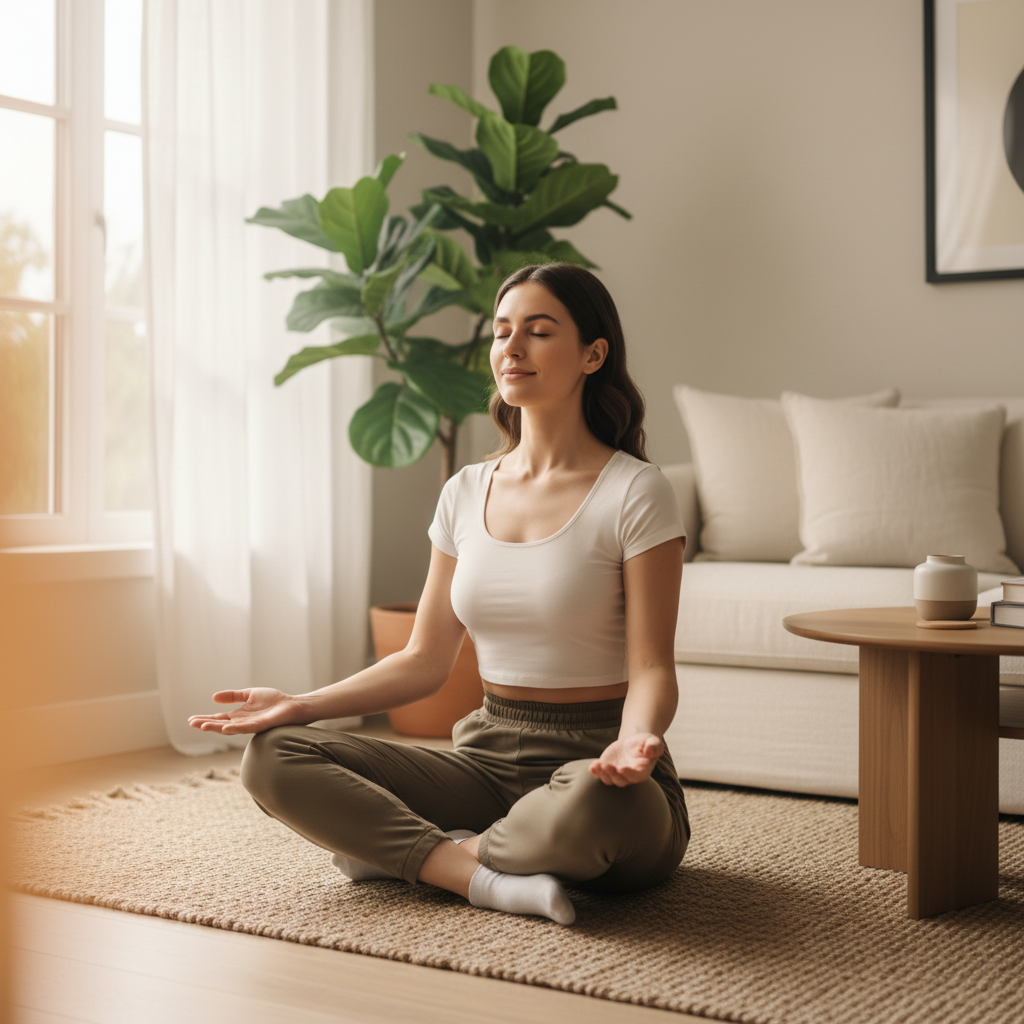
- Recovery and relaxation: As the body ages, recovery becomes more important, not less. Regular relaxation practices support the body's natural restoration processes.
- Sleep: Sleep quality often changes with age. Protecting sleep through consistent schedules, a comfortable environment, and good sleep hygiene becomes increasingly valuable.
- Stress management: Chronic stress accelerates many aspects of biological aging. Regular stress-reduction practices are a genuine investment in healthspan.
- Social and mental engagement: Staying connected, curious, and mentally active supports both cognitive and emotional wellbeing.
Posture and Movement Habits
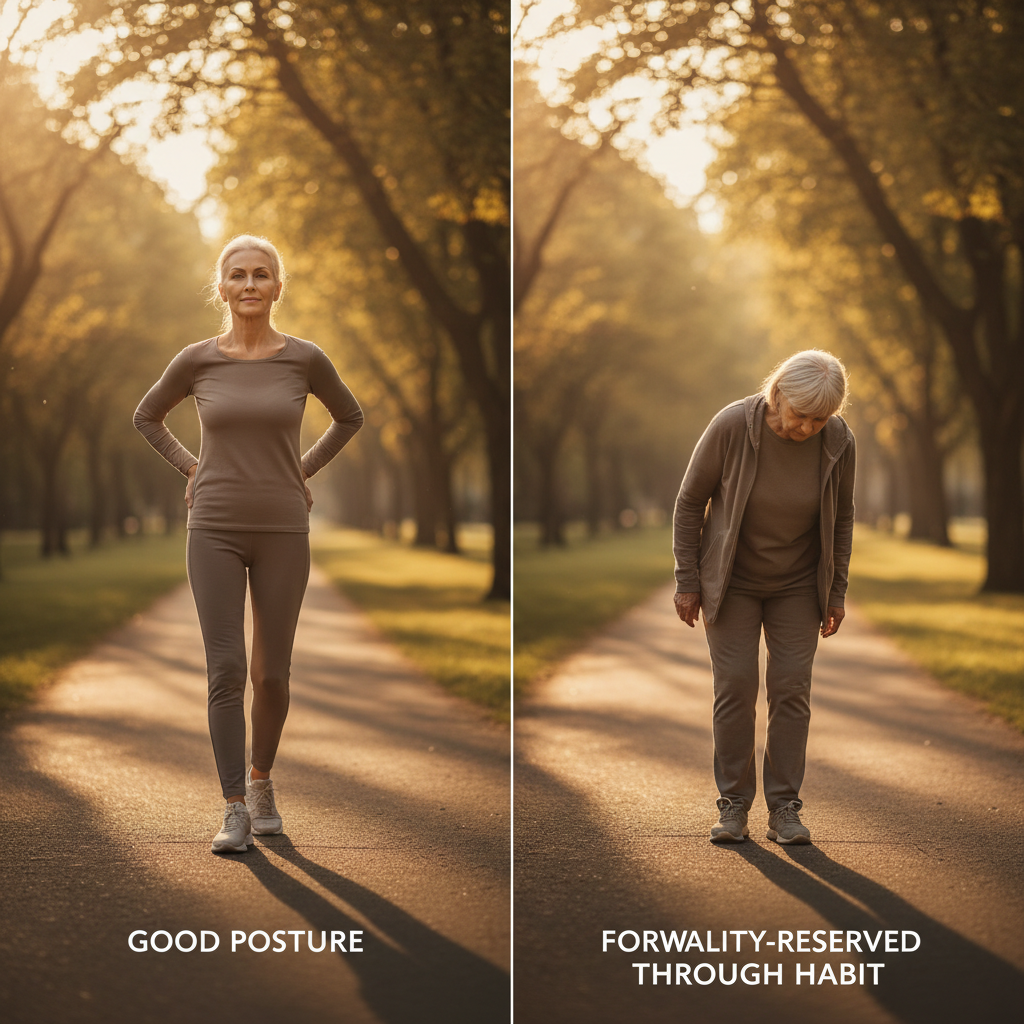
One of the most visible markers of aging is posture. The gradual forward rounding of the shoulders, the loss of height, the stiffening of the spine — these are not inevitable consequences of aging. They are, in large part, the accumulated result of years of habitual posture and insufficient movement.
Maintaining good posture habits throughout life — sitting well, moving regularly, keeping the spine mobile and supported — is one of the most effective ways to preserve the upright, capable posture associated with vitality and health.
Recovery, Relaxation, and Sleep
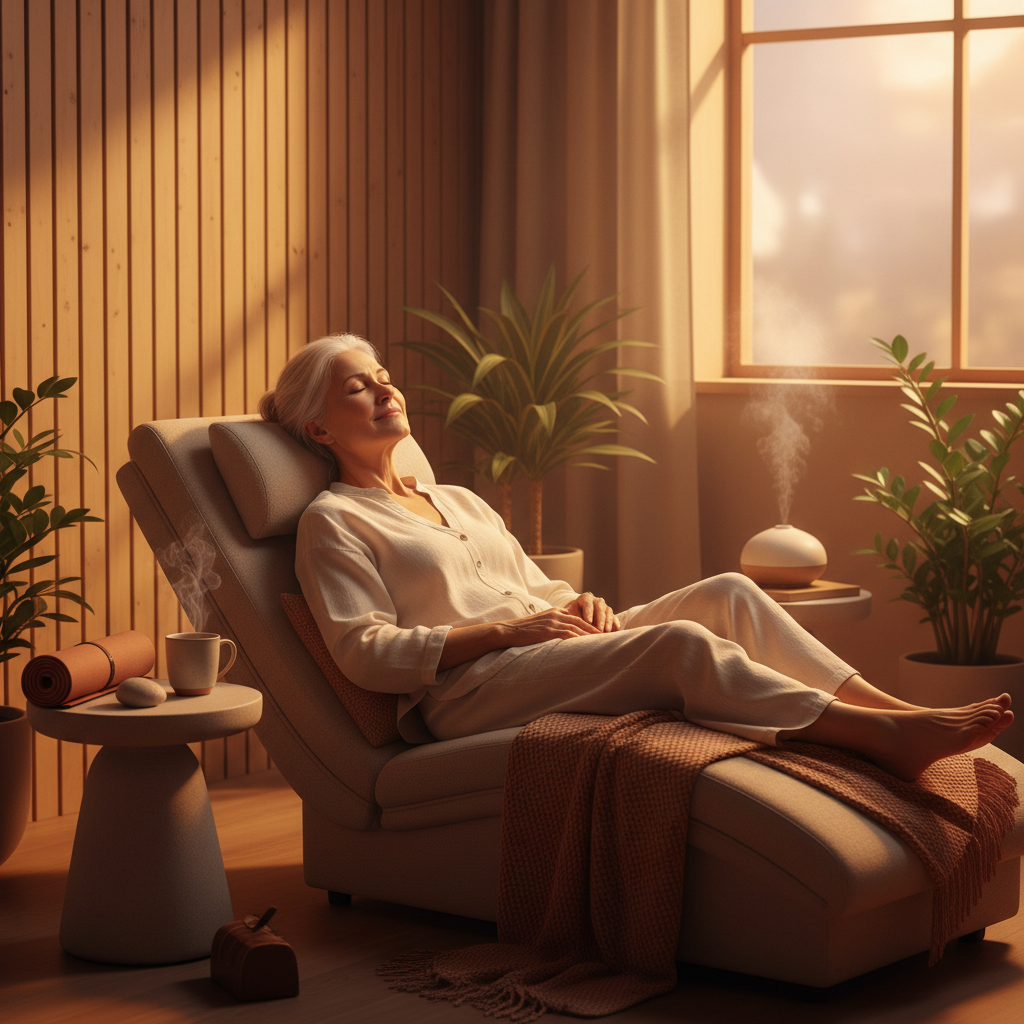
Recovery is the process by which the body repairs, restores, and prepares itself for the demands ahead. In younger years, recovery happens relatively quickly and automatically. As we age, it requires more intentional support.
This means protecting sleep — the most important recovery mechanism the body has. It means building regular relaxation into daily life. It means listening to the body's signals and responding with appropriate rest rather than pushing through fatigue.
Why Self-Care Should Evolve as We Age
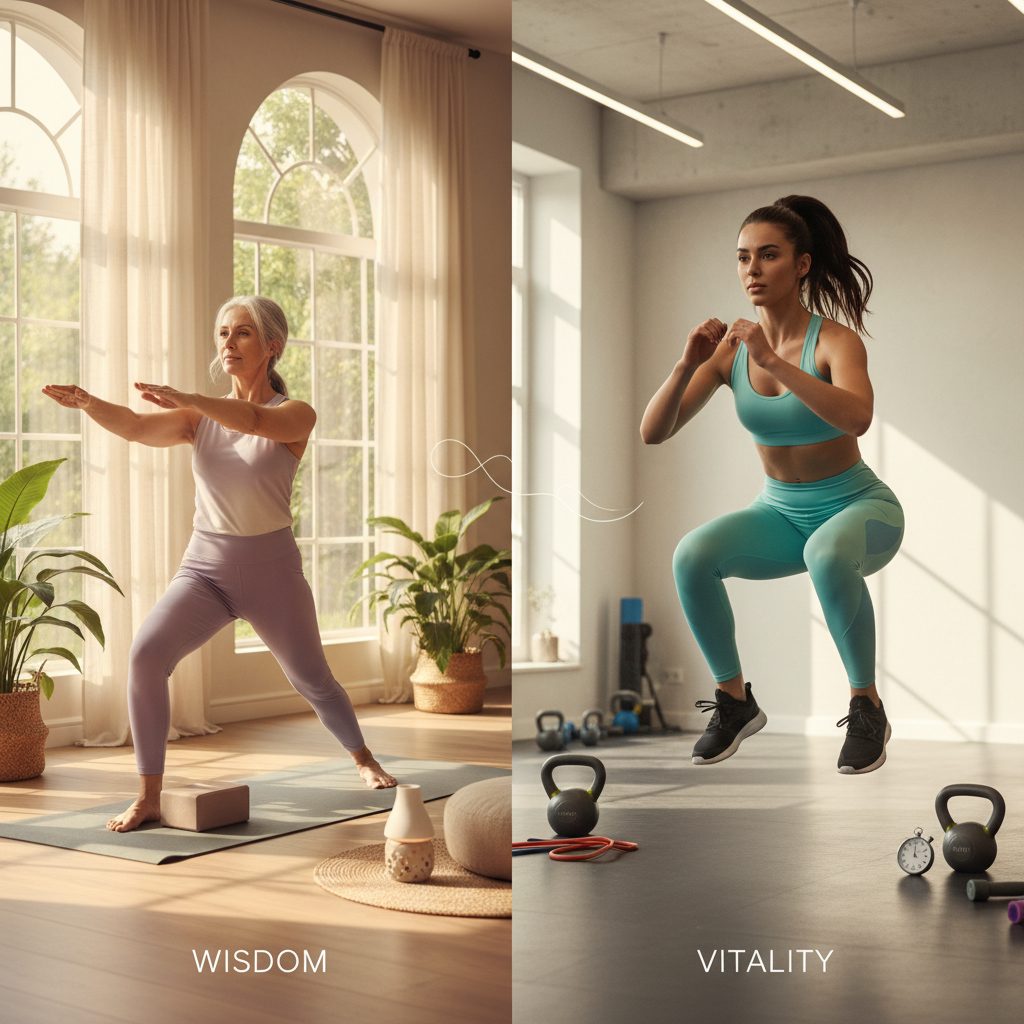
The wellness routine that served you well at 35 may need to evolve at 55 or 65. This is not a sign of decline — it is a sign of wisdom. The body's needs change over time, and a good wellness routine adapts accordingly.
This might mean shifting from high-intensity exercise to more moderate, joint-friendly movement. It might mean investing more in recovery and relaxation. It might mean paying more attention to sleep, hydration, and nutrition. The specifics will vary from person to person — but the principle is the same: listen to your body, and give it what it needs at each stage of life.
What You Can Do Today
- Assess your current movement habits. Are you moving every day? Is your movement varied — including walking, stretching, and balance work?
- Evaluate your sleep. Are you getting 7–8 hours consistently? Is your sleep environment supportive?
- Consider your recovery practices. Do you have regular relaxation built into your week?
- Check your posture habits. Are you sitting and standing in ways that support your spine?
- Identify one area to improve and start there. Small, consistent changes compound into significant results over time.
Key Takeaway
Aging gracefully is not about defying age. It is about working with your body — understanding its changing needs, supporting its natural processes, and building habits that preserve the mobility, independence, and vitality that make life worth living at every age.

- Discover the CERAGEM Shaw Wellness Lounge — a dedicated environment for relaxation, self-care, and spine wellness.
- Experience CERAGEM Shaw: ceragemshaw.com/visit
- Explore the CERAGEM Master V4 thermal wellness technology.
Educational Disclaimer: The information provided in this article is for general educational and wellness purposes only and is not intended to diagnose, treat, cure, or prevent any medical condition. Consult a qualified healthcare professional for personalised health guidance.