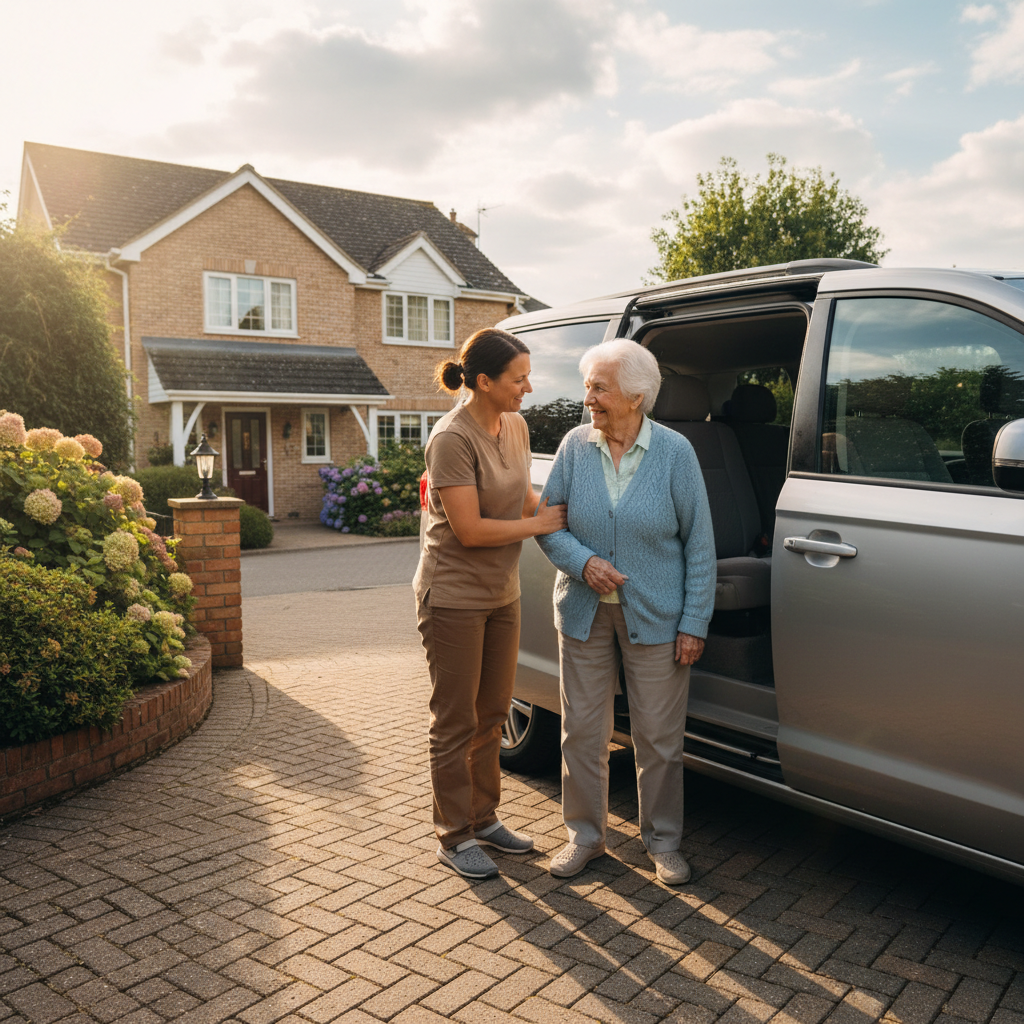
Independence is one of the most valued aspects of a good life — and one of the most quietly threatened as we age. The ability to move freely, care for ourselves, stay socially connected, and continue doing the things we love is not guaranteed. But it is, to a significant degree, supported by the habits we build and maintain throughout our lives.
This article is a practical guide to the everyday wellness habits that support independence, vitality, and quality of life as we age. It is written for older adults, for those approaching their senior years, and for anyone who cares about the people in their lives who are navigating this stage.

Important note: This article is for general wellness education only. If you have significant pain, balance problems, a diagnosed medical condition, or concerns about your health, please consult a qualified healthcare professional before beginning new activities or therapies.
Mobility: Keep Moving, Every Day
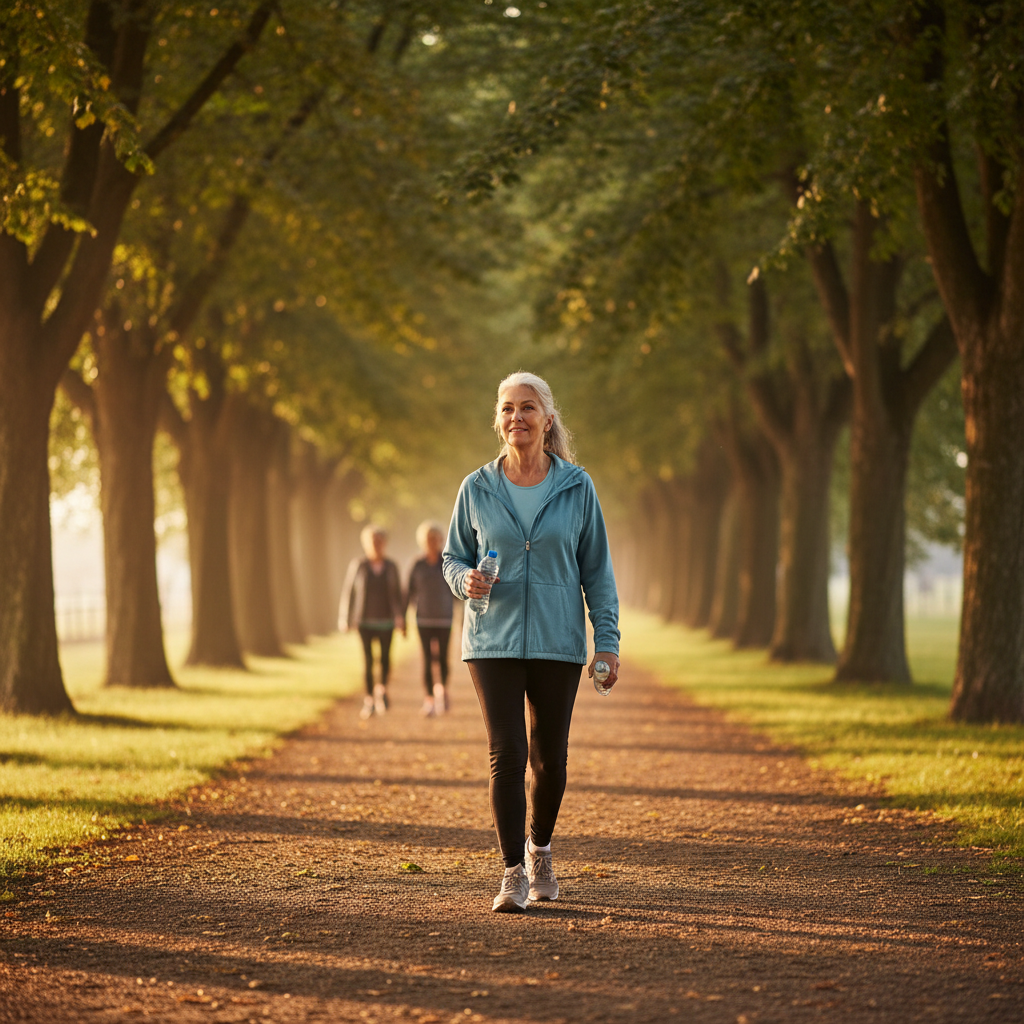
The single most important thing most older adults can do for their independence is to keep moving. Regular physical activity — even gentle, low-impact movement — maintains the muscle strength, joint flexibility, and cardiovascular fitness that underpin independent living.
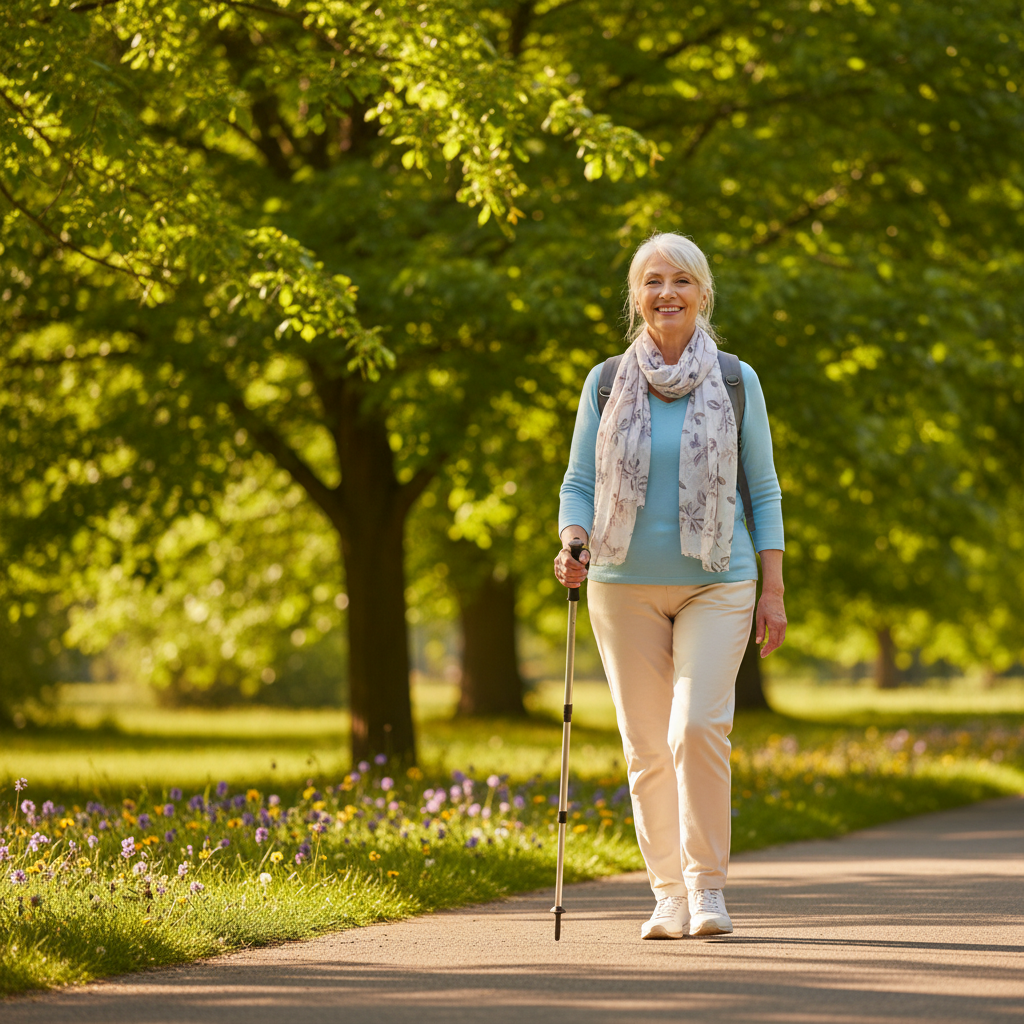
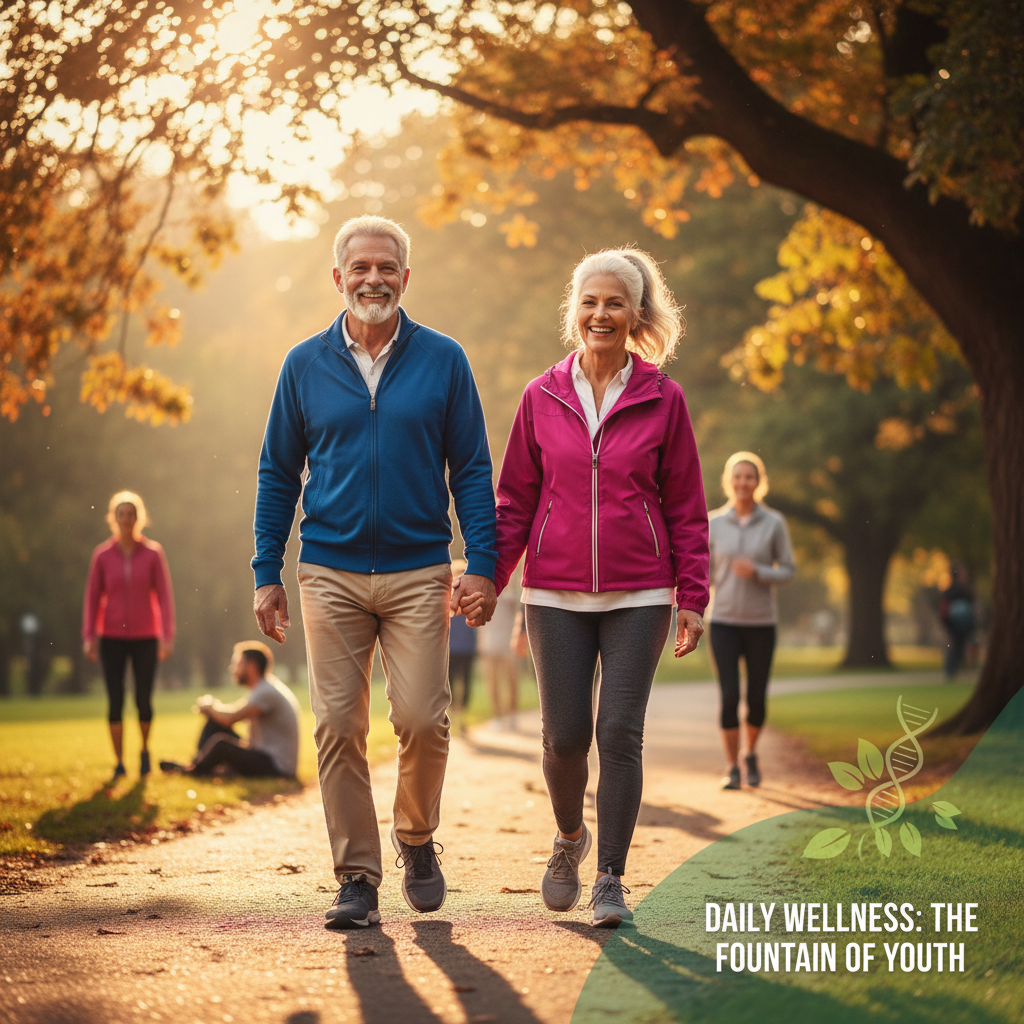
Walking is one of the most accessible and effective forms of movement for older adults. It requires no equipment, can be adapted to any fitness level, and provides benefits for cardiovascular health, bone density, mood, and cognitive function. Even a 20–30 minute walk most days of the week makes a meaningful difference.
Balance: A Critical Priority
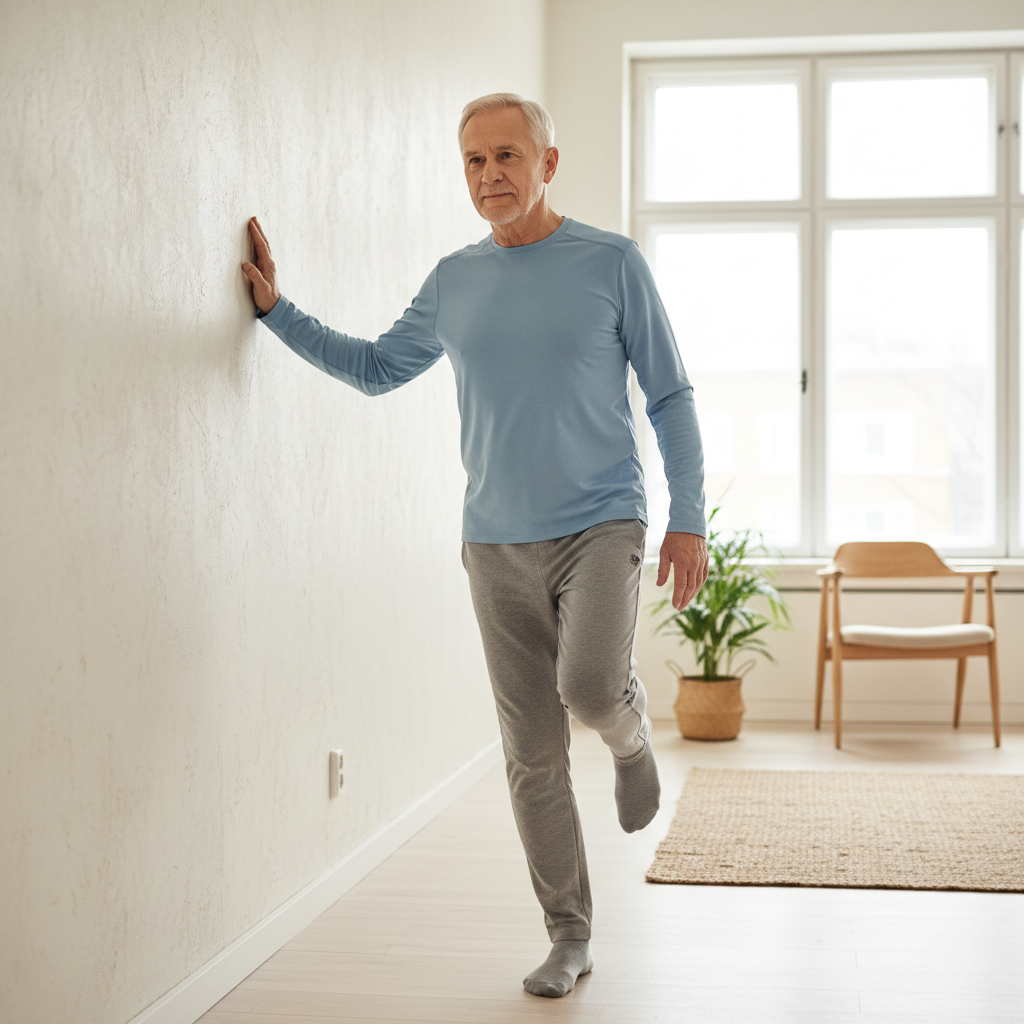
Falls are one of the most significant health risks for older adults — and balance is one of the most important factors in preventing them. Balance naturally declines with age, but it can be maintained and improved with regular practice.
Simple balance exercises — standing on one foot, heel-to-toe walking, gentle yoga or tai chi — can significantly improve stability and reduce fall risk. These exercises are best learned with guidance from a qualified professional, particularly for those with existing balance concerns.
Flexibility and Strength
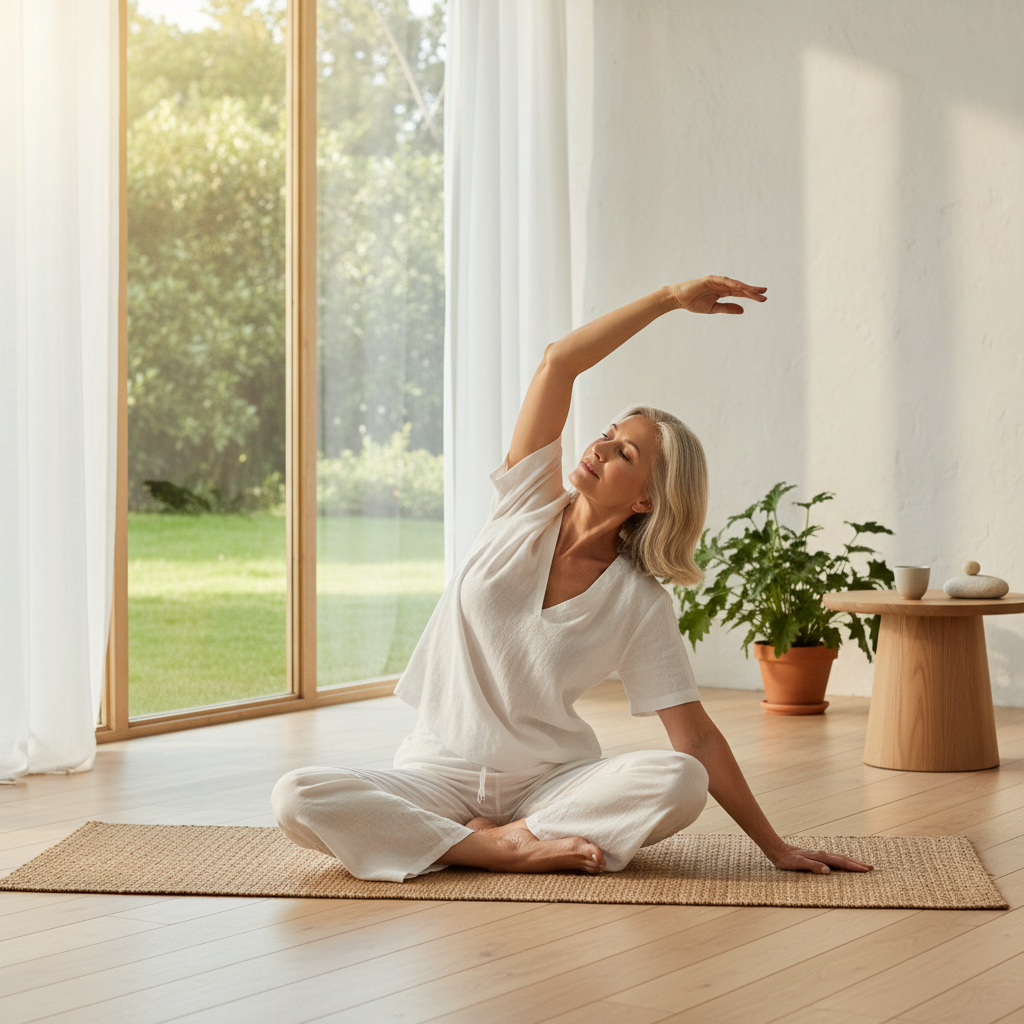
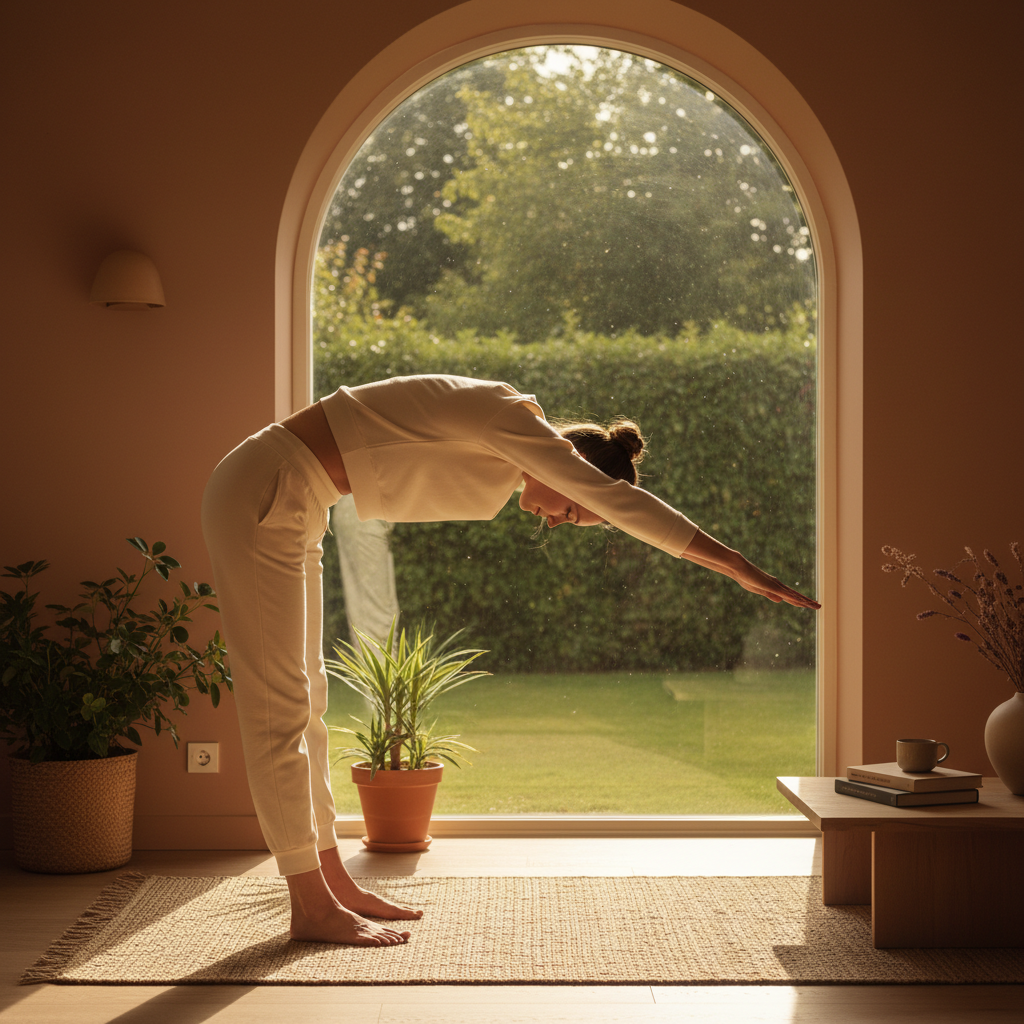
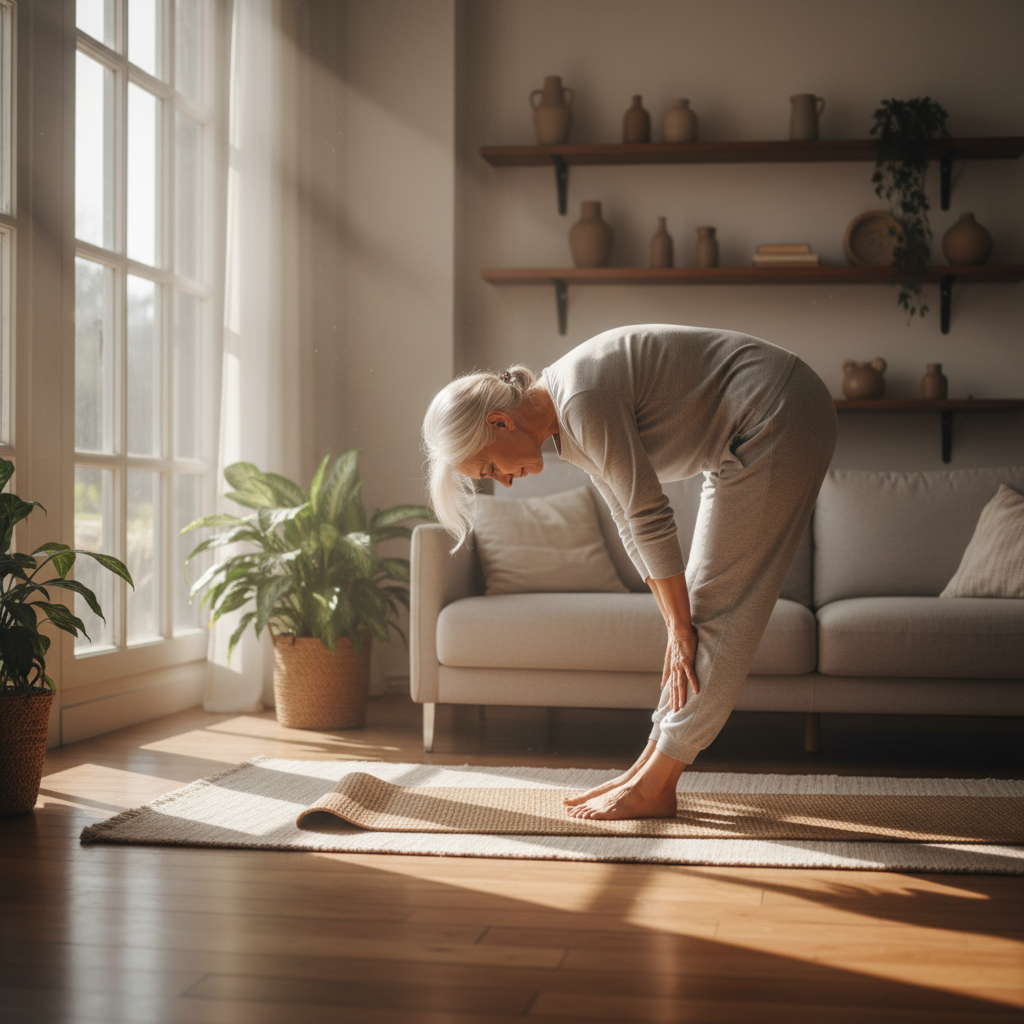
Flexibility — the ability to move joints through their full range of motion — tends to decrease with age, particularly without regular stretching. Maintaining flexibility supports posture, reduces the risk of injury, and makes everyday movements easier and more comfortable.
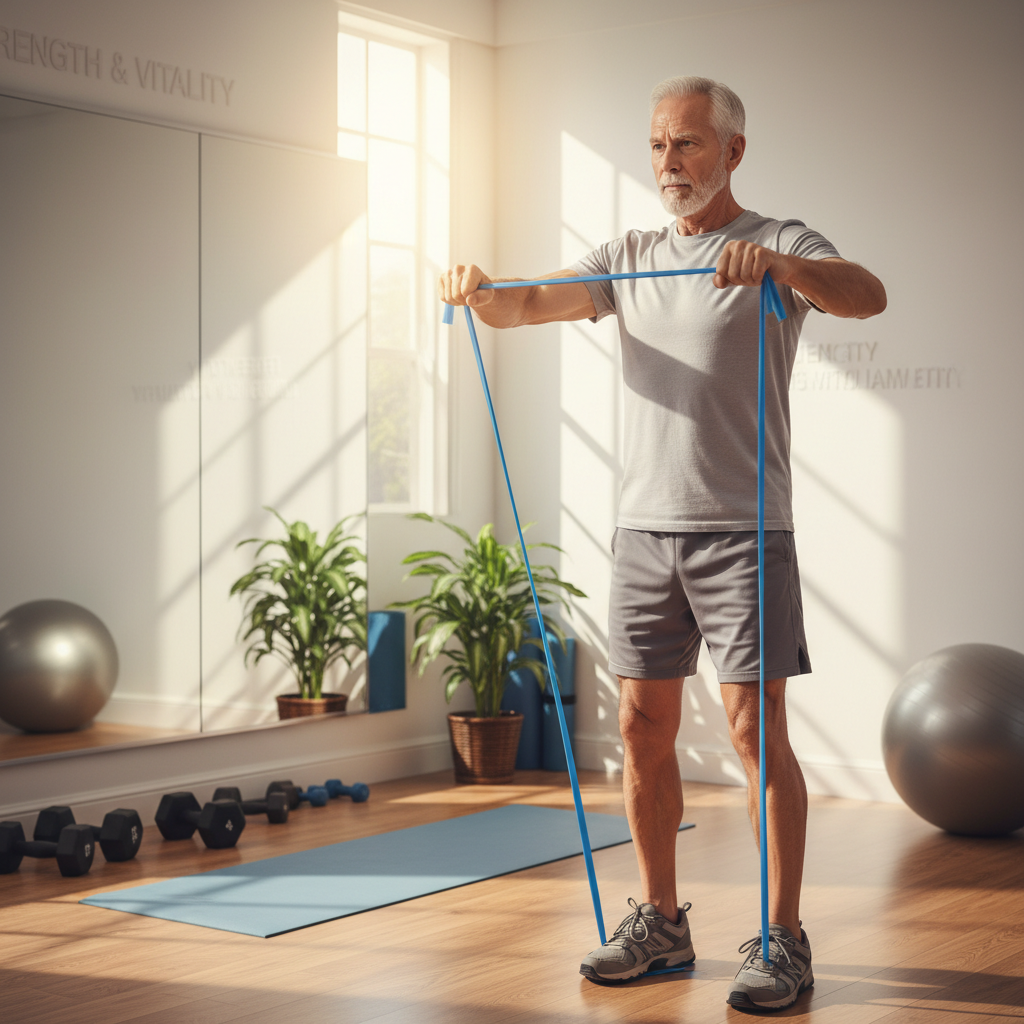
Strength is equally important. Muscle mass naturally declines with age (a process called sarcopenia), but this decline can be significantly slowed with regular resistance exercise. Maintaining strength supports balance, mobility, bone health, and metabolic function.
Sleep, Hydration, and Nutrition
- Sleep: Aim for 7–8 hours of quality sleep. Sleep patterns often change with age — maintaining consistent sleep and wake times, and creating a comfortable sleep environment, supports sleep quality.
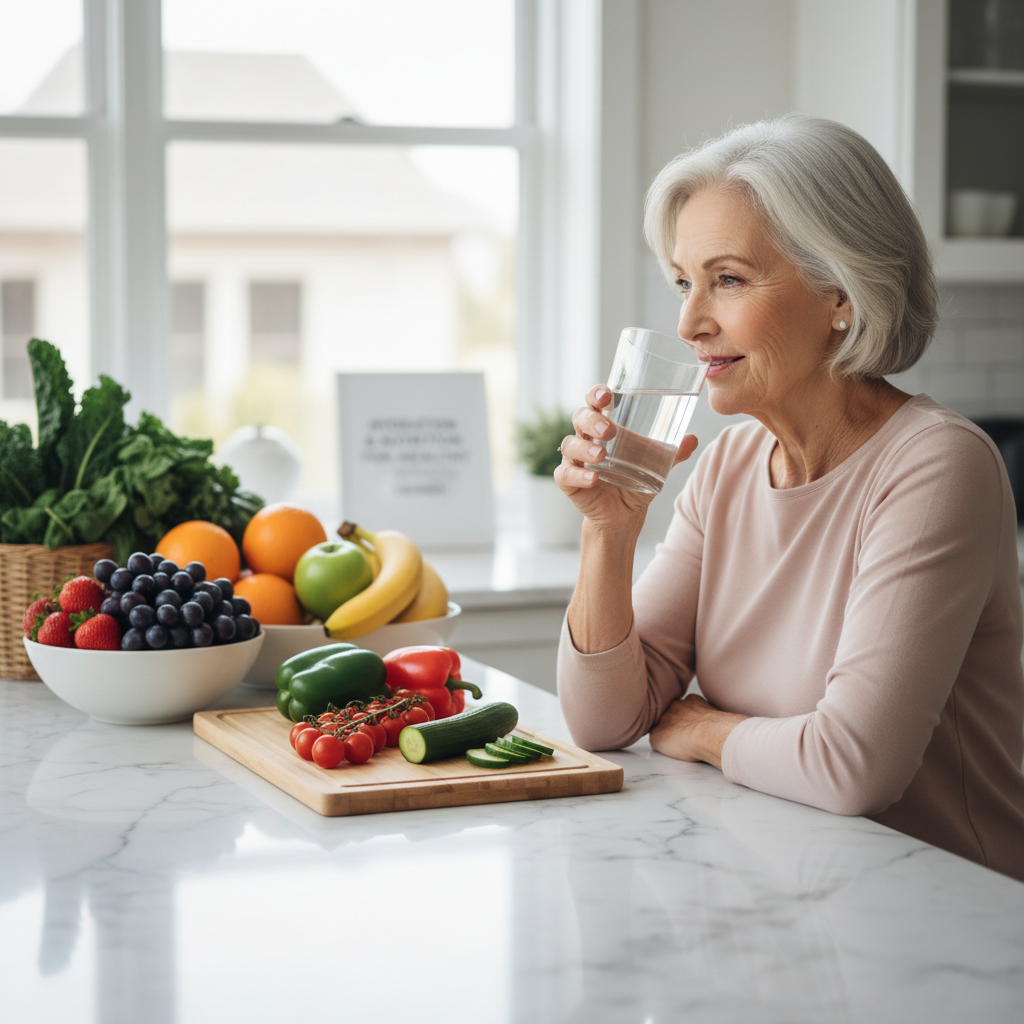
- Hydration: Older adults are more susceptible to dehydration, and the thirst signal becomes less reliable with age. Drinking water consistently throughout the day — not just when thirsty — is important.
- Nutrition: A varied diet rich in vegetables, fruits, lean proteins, and whole grains supports energy, muscle maintenance, bone health, and immune function.
- Limit alcohol: Alcohol affects balance, sleep quality, and medication interactions — all of which become more significant with age.

Social Connection and Mental Engagement
Social isolation is one of the most significant risk factors for accelerated physical and cognitive decline in older adults. Maintaining meaningful social connections — with family, friends, community groups, or wellness communities — is not just emotionally important. It is physically important.

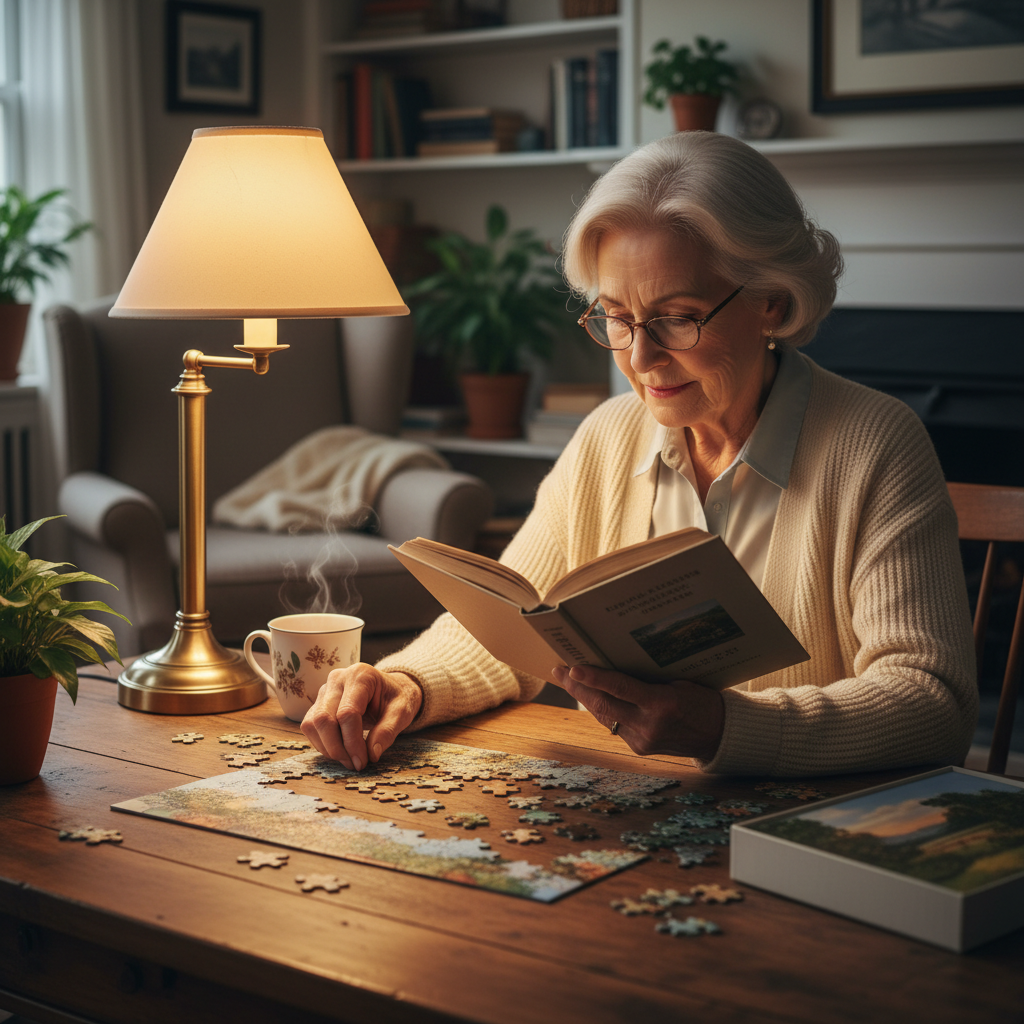
Mental engagement — staying curious, learning new things, reading, playing games, or pursuing creative interests — supports cognitive health and has been associated with better brain function and reduced risk of cognitive decline.
Stress Management
Chronic stress takes a significant toll on the aging body. It affects sleep, immune function, cardiovascular health, and cognitive performance. Regular stress-reduction practices — whether breathing exercises, gentle movement, relaxation therapies, or simply spending time in nature — are a genuine investment in long-term health.

Regular Medical Checkups
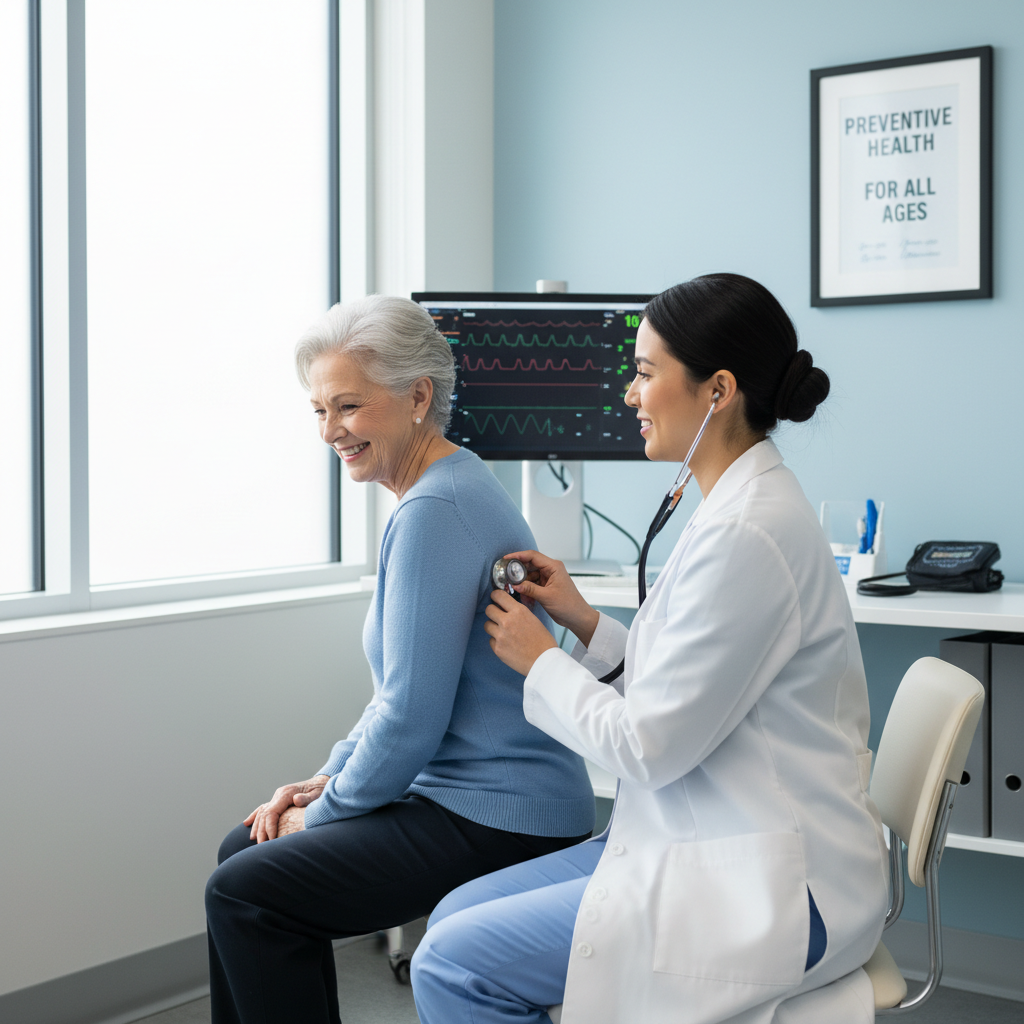
Preventive health monitoring becomes increasingly important with age. Regular checkups allow for early detection of changes in blood pressure, blood sugar, bone density, vision, hearing, and other health markers. Early awareness enables earlier, more effective responses.
What You Can Do Today
- Move for at least 20–30 minutes — walking, stretching, or gentle exercise.
- Drink water consistently throughout the day.
- Connect with someone — a phone call, a visit, a community activity.
- Do something mentally engaging — read, learn, create, or play.
- Protect your sleep — consistent bedtime, comfortable environment, limited screens before bed.
- Practice one stress-reduction activity — breathing, relaxation, gentle movement.
- If you have not had a health check recently, schedule one.
Key Takeaway
The everyday habits that support independence as we age are simpler than most people think — and more powerful than most people realise. Movement, sleep, hydration, social connection, and stress management are not complicated interventions. They are the foundations of a life lived well, at any age.
- Discover the CERAGEM Shaw Wellness Lounge — a dedicated environment for relaxation, self-care, and spine wellness.
- Experience CERAGEM Shaw: ceragemshaw.com/visit
- Explore the CERAGEM Master V4 thermal wellness technology.
Educational Disclaimer: The information provided in this article is for general educational and wellness purposes only and is not intended to diagnose, treat, cure, or prevent any medical condition. If you have persistent pain, balance problems, a diagnosed medical condition, or concerns about your health, please consult a qualified healthcare professional before beginning new activities or therapies.