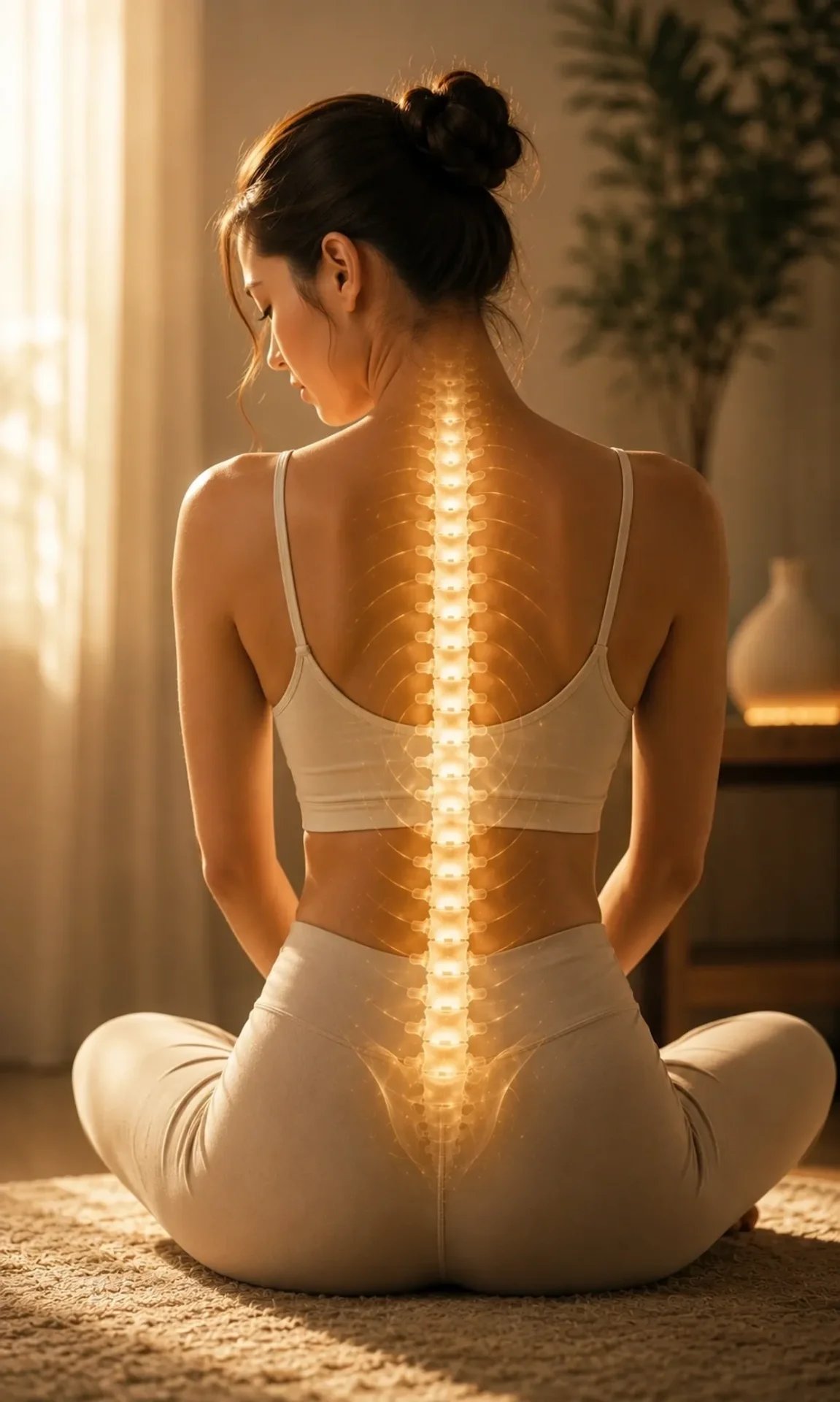
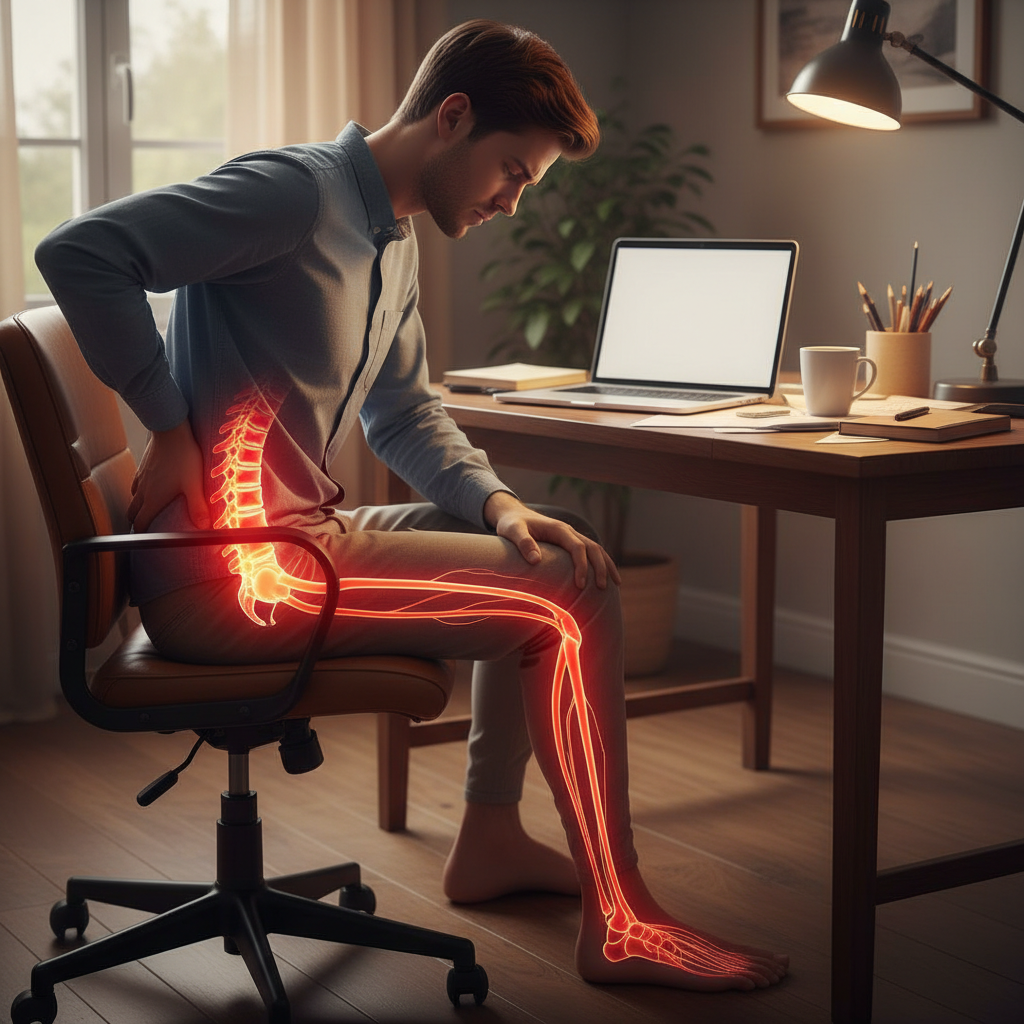
Few experiences in spine health are as alarming as pain that travels from the lower back, through the buttock, and down the leg. It can feel like a sharp electric shock, a deep burning sensation, or a persistent ache that seems to have no clear origin. This pattern of symptoms is commonly referred to as sciatica — and it is one of the most frequently discussed spine-related complaints.
Understanding what sciatica is, why it happens, and when to seek professional help can make a significant difference in how you respond to it.
Important: This article is for general educational purposes only. If you are experiencing significant, persistent, or worsening symptoms, please consult a qualified healthcare professional for proper assessment and guidance.
What Is Sciatica?
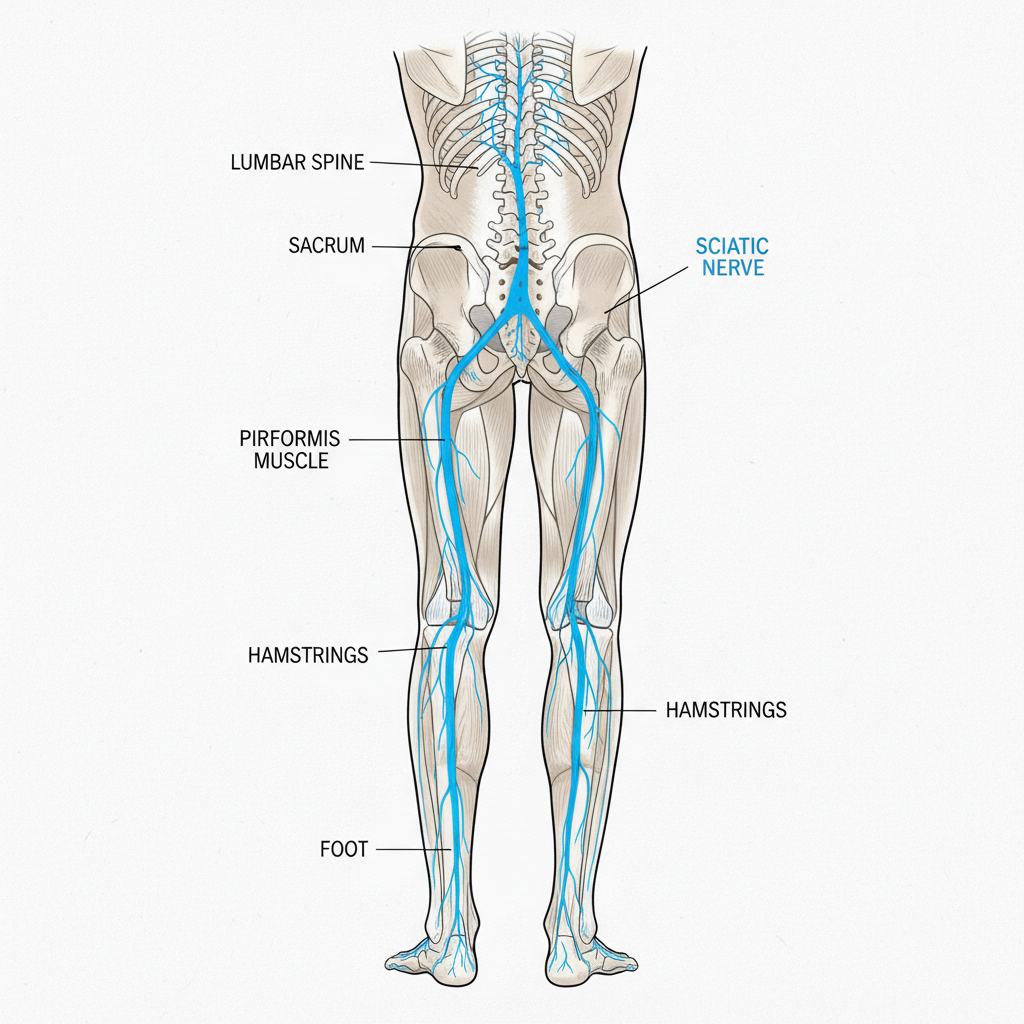
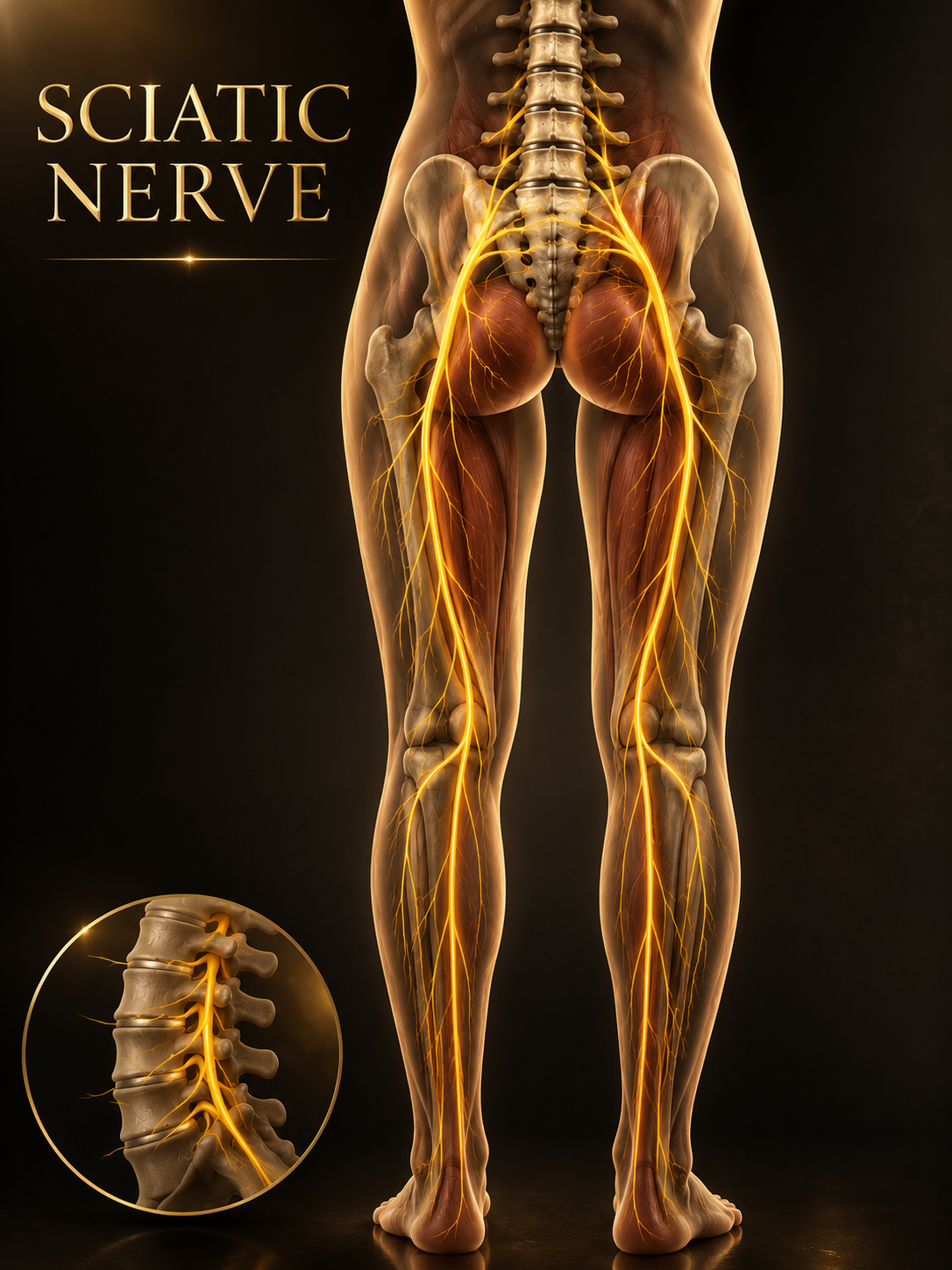
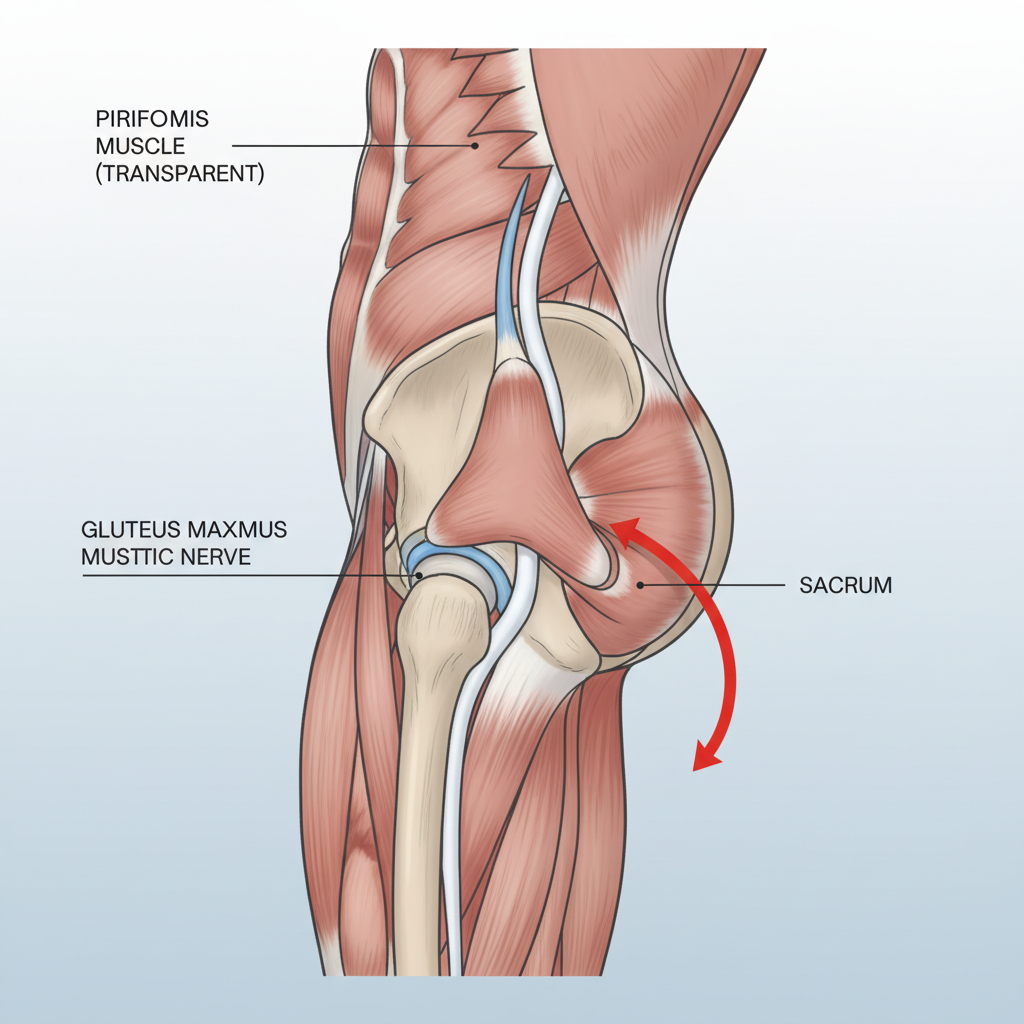
The term "sciatica" generally refers to pain, numbness, tingling, or weakness that follows the path of the sciatic nerve — the longest and widest nerve in the human body. The sciatic nerve originates from several nerve roots in the lower spine (lumbar and sacral regions), passes through the buttock, and travels down the back of the leg to the foot.
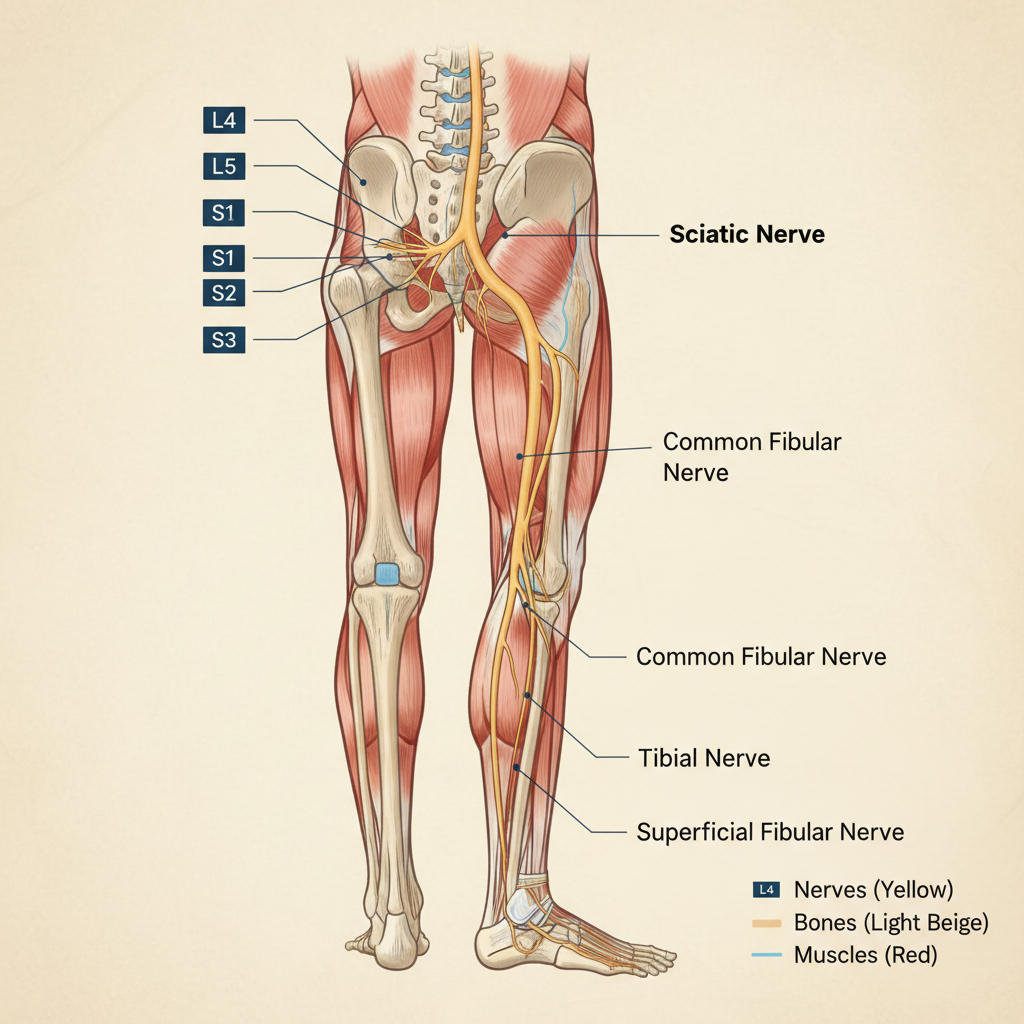
When something irritates or compresses one of the nerve roots that form the sciatic nerve, the resulting symptoms can be felt anywhere along its path — which is why sciatica can produce pain in the lower back, buttock, thigh, calf, or foot, sometimes all at once.
Common Causes
Sciatica is a symptom, not a diagnosis in itself. It is the result of something affecting the sciatic nerve or its roots. Common causes include:
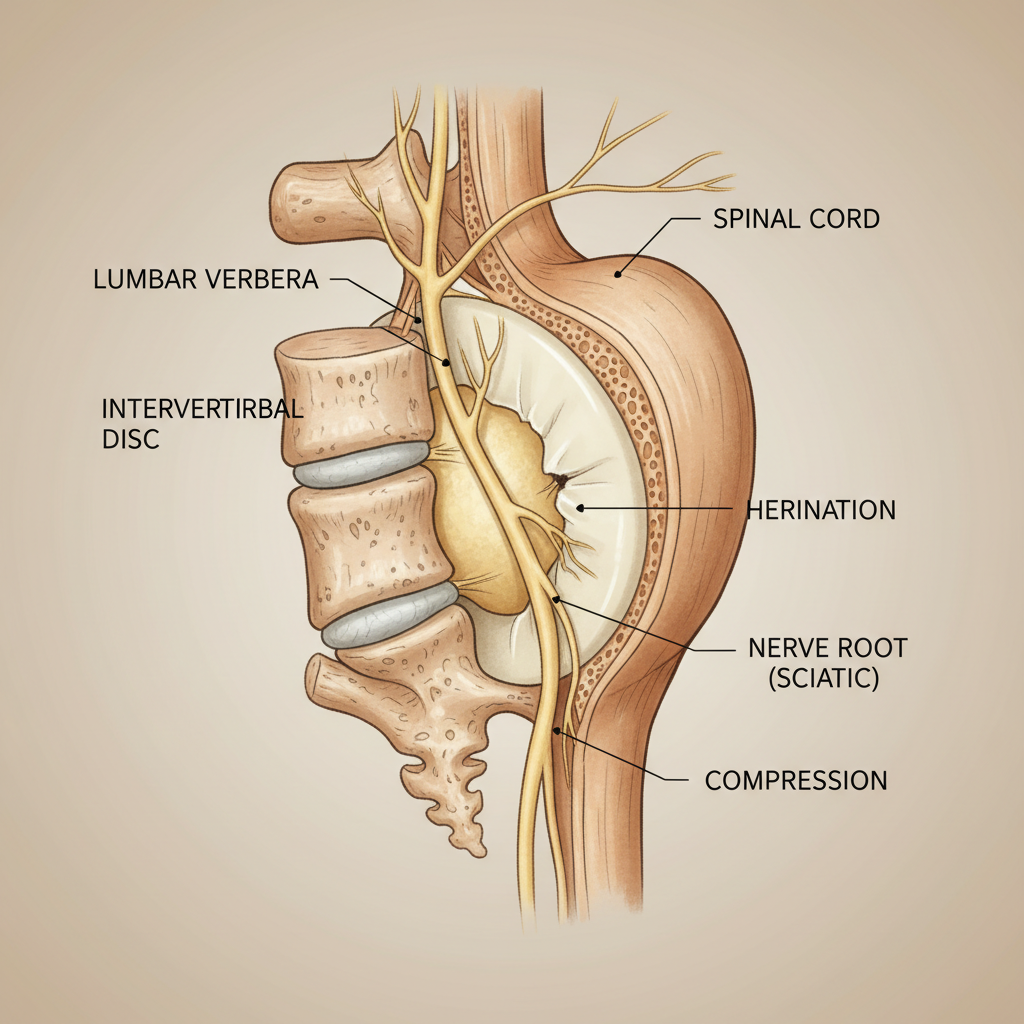
- Disc herniation: When the soft inner material of a spinal disc pushes through its outer layer and presses on a nearby nerve root.
- Spinal stenosis: Narrowing of the spinal canal, which can compress the nerves passing through it.
- Piriformis syndrome: Irritation of the sciatic nerve by the piriformis muscle in the buttock.
- Degenerative disc disease: Age-related changes in the spinal discs that can affect the space available for nerve roots.
- Spondylolisthesis: A condition where one vertebra slips forward over another, potentially affecting nearby nerves.
- Muscle tightness and trigger points: In some cases, tight muscles in the buttock or lower back can contribute to sciatic-like symptoms.
Why Symptoms Can Vary So Much
One of the most confusing aspects of sciatica is how differently it can present from person to person. Some people experience a sharp, shooting pain that makes it difficult to sit or stand. Others have a persistent dull ache. Some feel tingling or numbness. Others experience weakness in the leg or foot.
This variation reflects the fact that different nerve roots, different causes, and different individual anatomies all produce different symptom patterns. This is one of the reasons why proper professional assessment is so important — the same symptom description can have very different underlying causes.
General Lifestyle and Movement Considerations

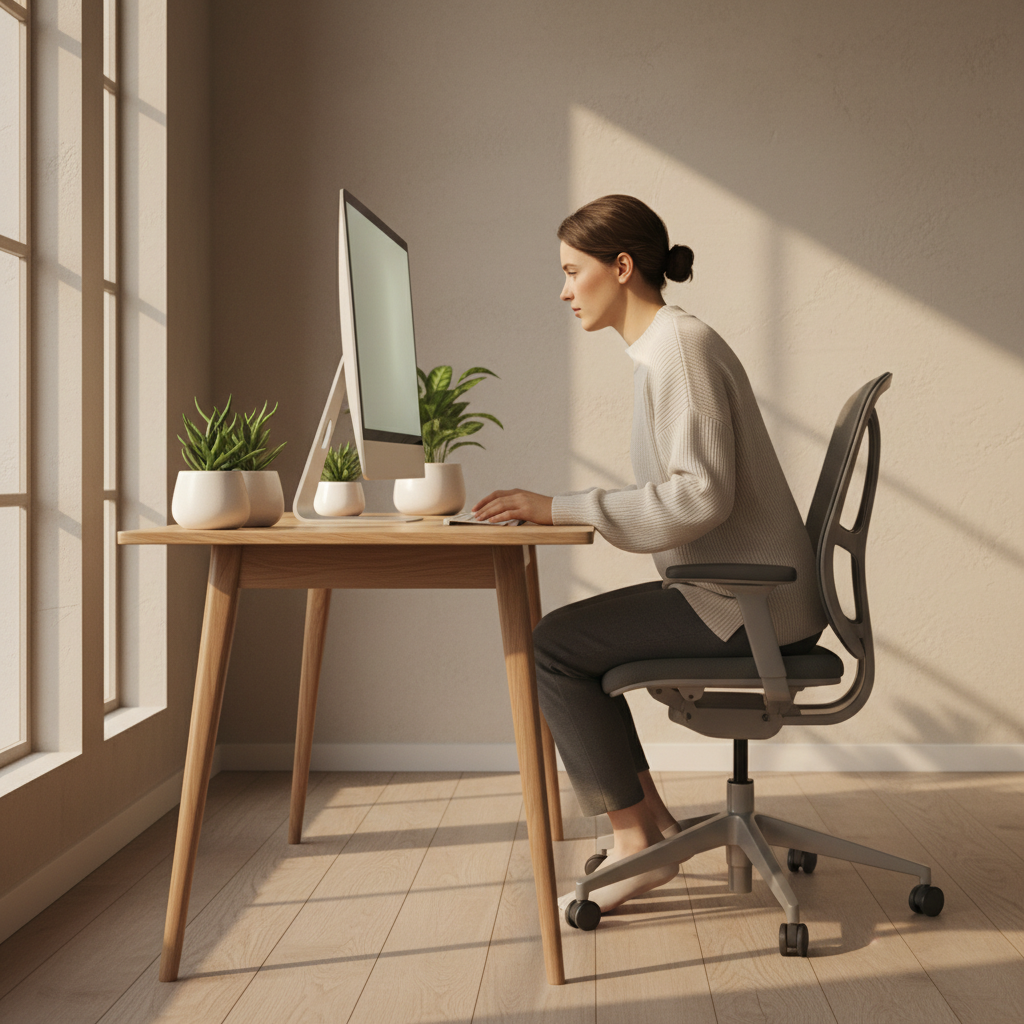
- Avoid prolonged sitting in positions that aggravate symptoms. Take regular movement breaks.
- Gentle movement is generally better than complete rest for most people with sciatic symptoms.
- Stretches that target the piriformis and hip flexors may provide some relief for certain causes — but should be guided by a professional.
- Maintaining a healthy weight reduces load on the lumbar spine.
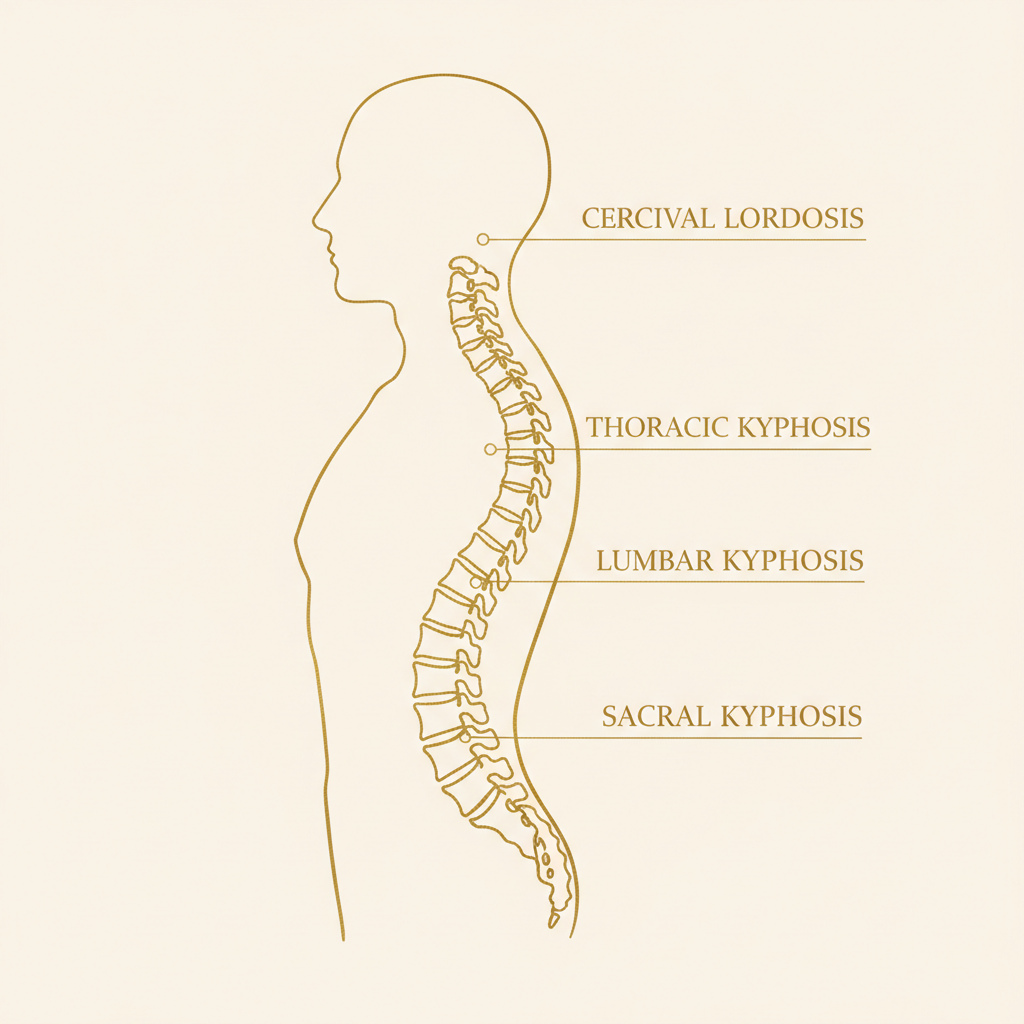
- Good posture habits — particularly when sitting — reduce cumulative strain on the lower spine.
- Sleep position can affect symptoms. Sleeping on your side with a pillow between your knees may reduce pressure on the lower spine.

When Should You Seek Medical Attention?
Many cases of sciatic symptoms resolve with time, appropriate movement, and conservative management. However, there are situations where prompt medical evaluation is essential.

- Symptoms that are severe, rapidly worsening, or do not improve after several weeks.
- Loss of bladder or bowel control — this requires immediate medical attention.
- Significant weakness in the leg or foot.
- Numbness in the groin or inner thigh area.
- Symptoms following a significant injury or trauma.
- Symptoms accompanied by fever, unexplained weight loss, or other concerning systemic symptoms.
What You Can Do Today
If you are experiencing sciatic symptoms, the most important first step is to seek professional assessment. A qualified healthcare professional — whether a physiotherapist, chiropractor, or medical doctor — can help identify the cause of your symptoms and recommend an appropriate management approach.
In the meantime, gentle movement, avoiding prolonged sitting, and maintaining good posture habits are generally sensible approaches. Avoid any activity that significantly worsens your symptoms.
Key Takeaway
Sciatica is a description of symptoms — pain, tingling, or numbness following the path of the sciatic nerve — not a diagnosis in itself. Understanding the cause requires professional assessment. Most cases can be managed effectively with appropriate care, but significant or worsening symptoms should always be evaluated by a qualified healthcare professional.
- Discover the CERAGEM Shaw Wellness Lounge — a dedicated environment for relaxation, self-care, and spine wellness.
- Experience CERAGEM Shaw: ceragemshaw.com/visit
- Explore the CERAGEM Master V4 thermal wellness technology.
Educational Disclaimer: The information provided in this article is for general educational and wellness purposes only and is not intended to diagnose, treat, cure, or prevent any medical condition. If you have persistent pain, neurological symptoms, a diagnosed medical condition, or concerns about your health, consult a qualified healthcare professional.