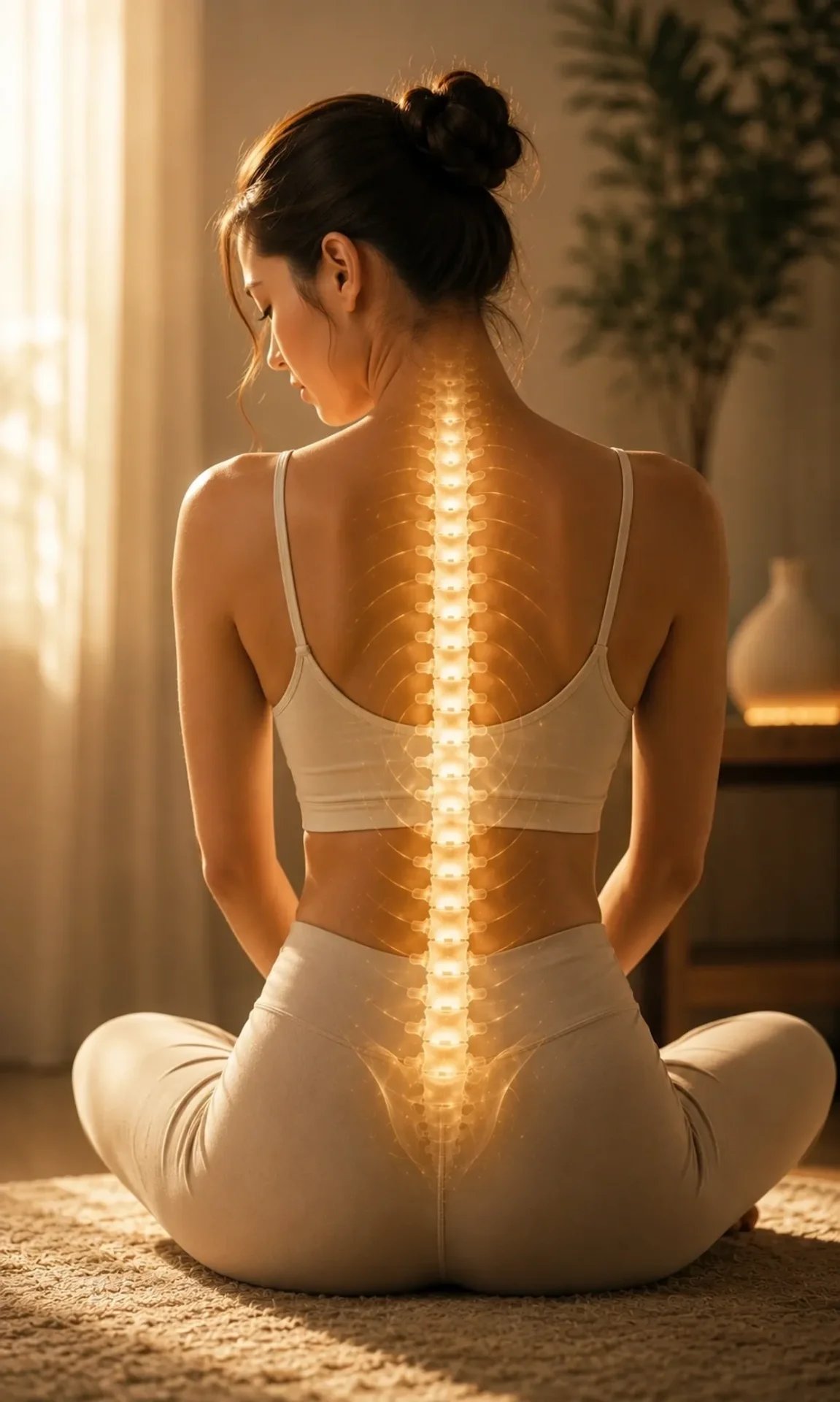
Back pain is one of the most common health complaints in the world. At any given time, a significant proportion of the adult population is experiencing some form of back or neck discomfort — from the mild stiffness that follows a long day at a desk to more persistent pain that affects daily function.
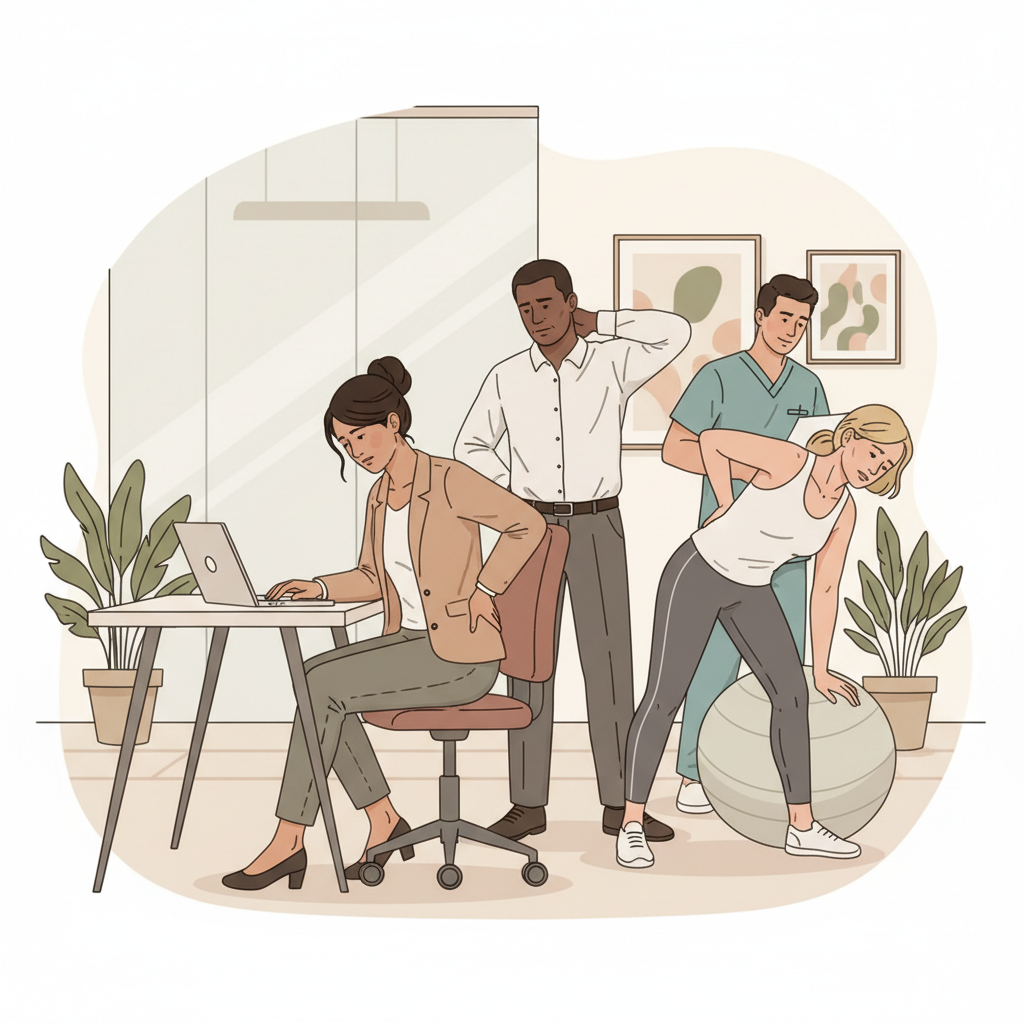
Yet despite how common it is, back pain remains widely misunderstood. People often assume the worst when they experience back pain — that something is seriously wrong, that they need imaging, that rest is the answer. In many cases, these assumptions are not accurate.
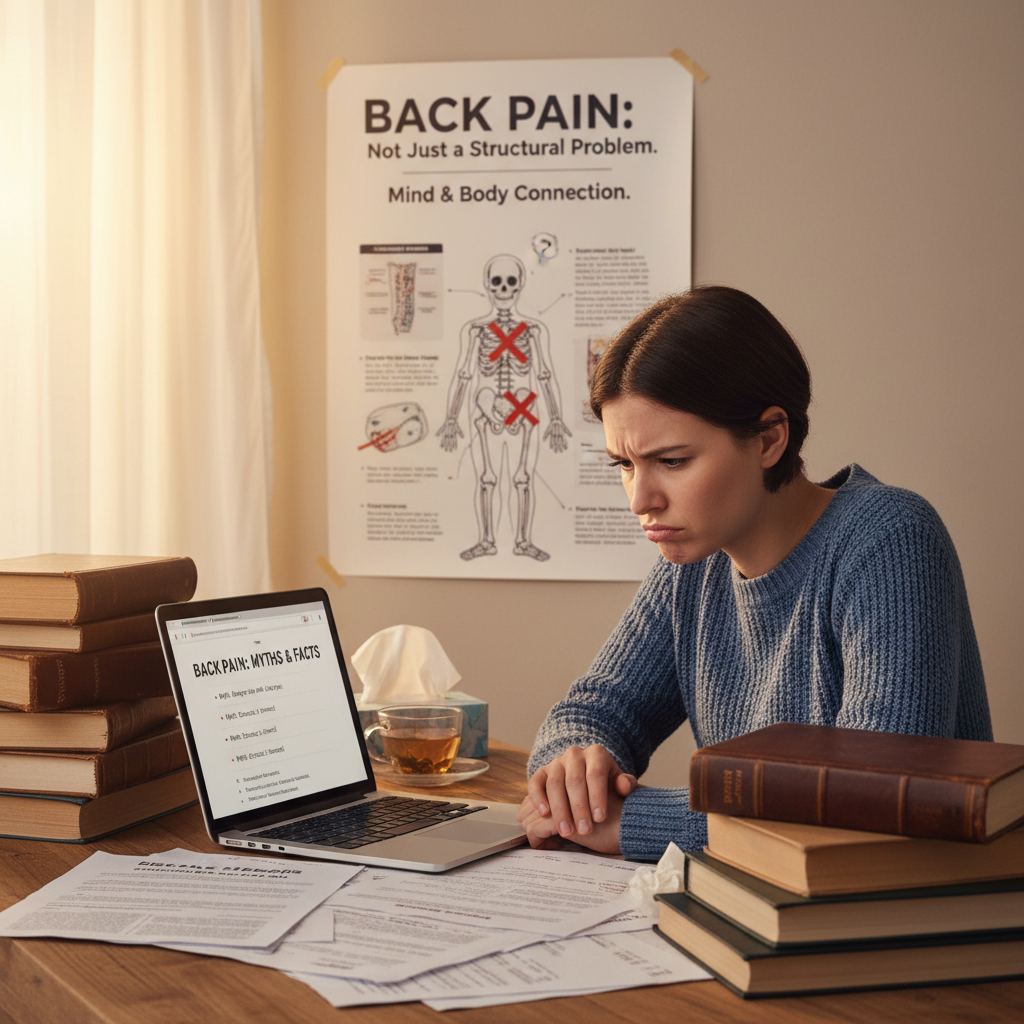
This article provides a general educational overview of common spine-related complaints. It is not a diagnostic tool. If you have persistent, severe, or concerning symptoms, please consult a qualified healthcare professional.

Back Stiffness and Everyday Discomfort
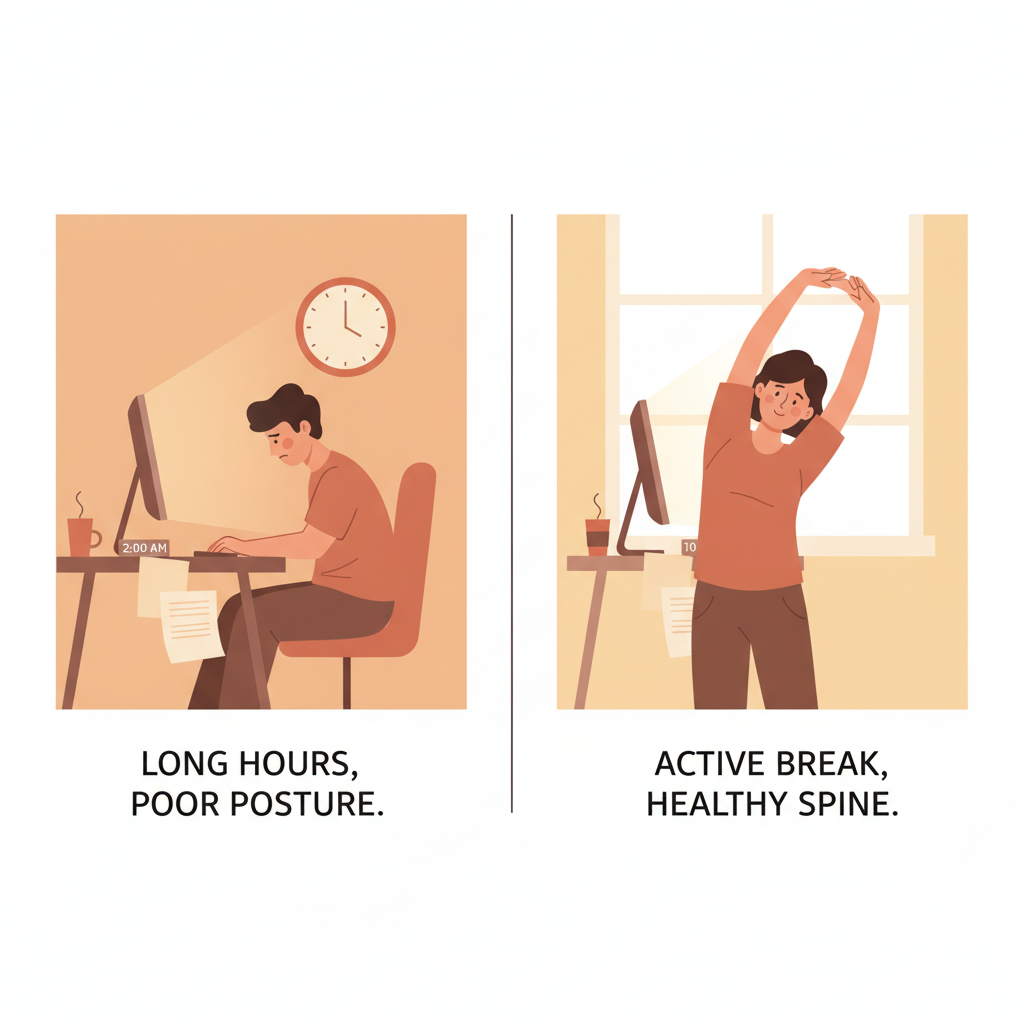
The most common form of back discomfort is non-specific — meaning it does not have a clearly identifiable structural cause. It is often related to muscle tension, prolonged static postures, insufficient movement, or the accumulated strain of daily activities.

This type of discomfort is typically worse after prolonged sitting or standing, improves with gentle movement, and does not involve neurological symptoms (such as pain, tingling, or weakness in the legs). It is the kind of back discomfort that most desk workers experience at some point.
Neck Discomfort and Upper Back Tension
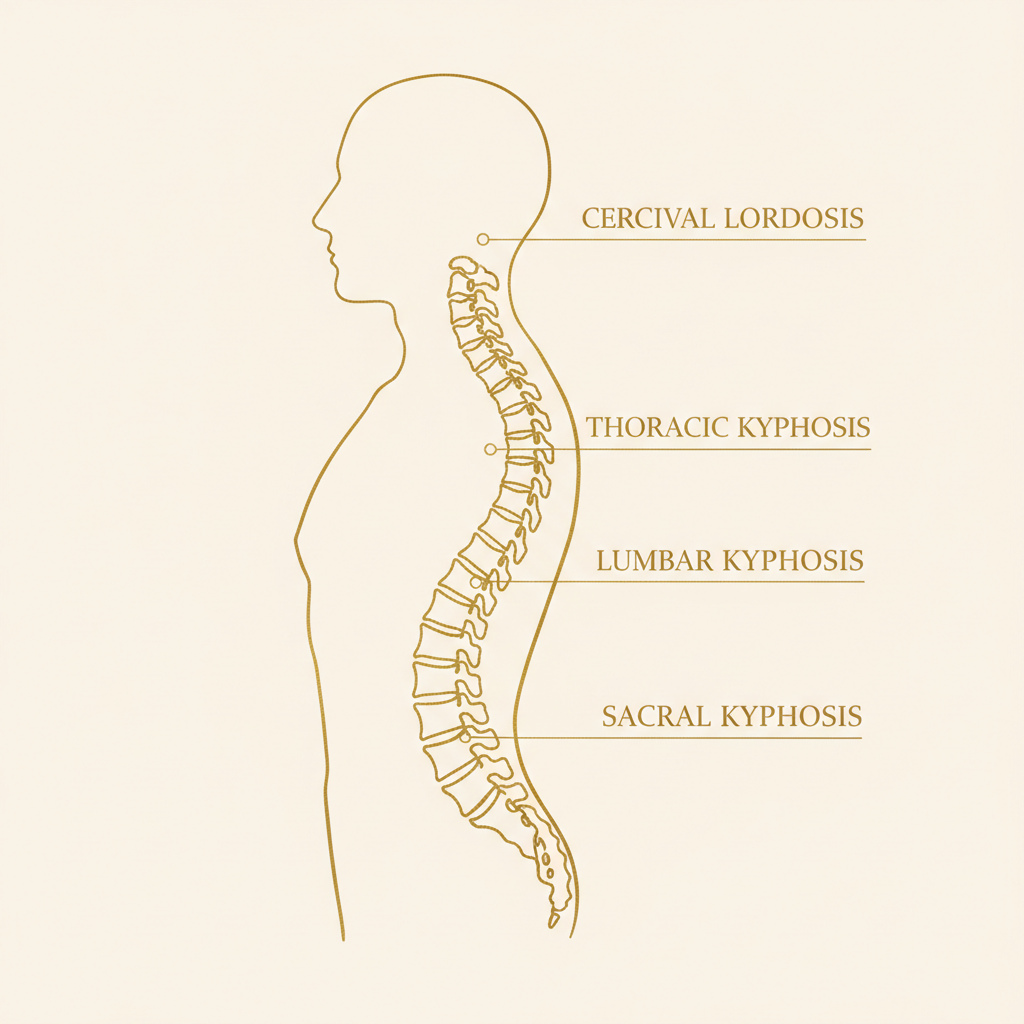
Neck pain and upper back tension are closely related to posture and movement habits. Forward head posture — the tendency to hold the head forward of the shoulders, which is common among people who use screens for long periods — places significant additional load on the cervical spine and the muscles that support it.
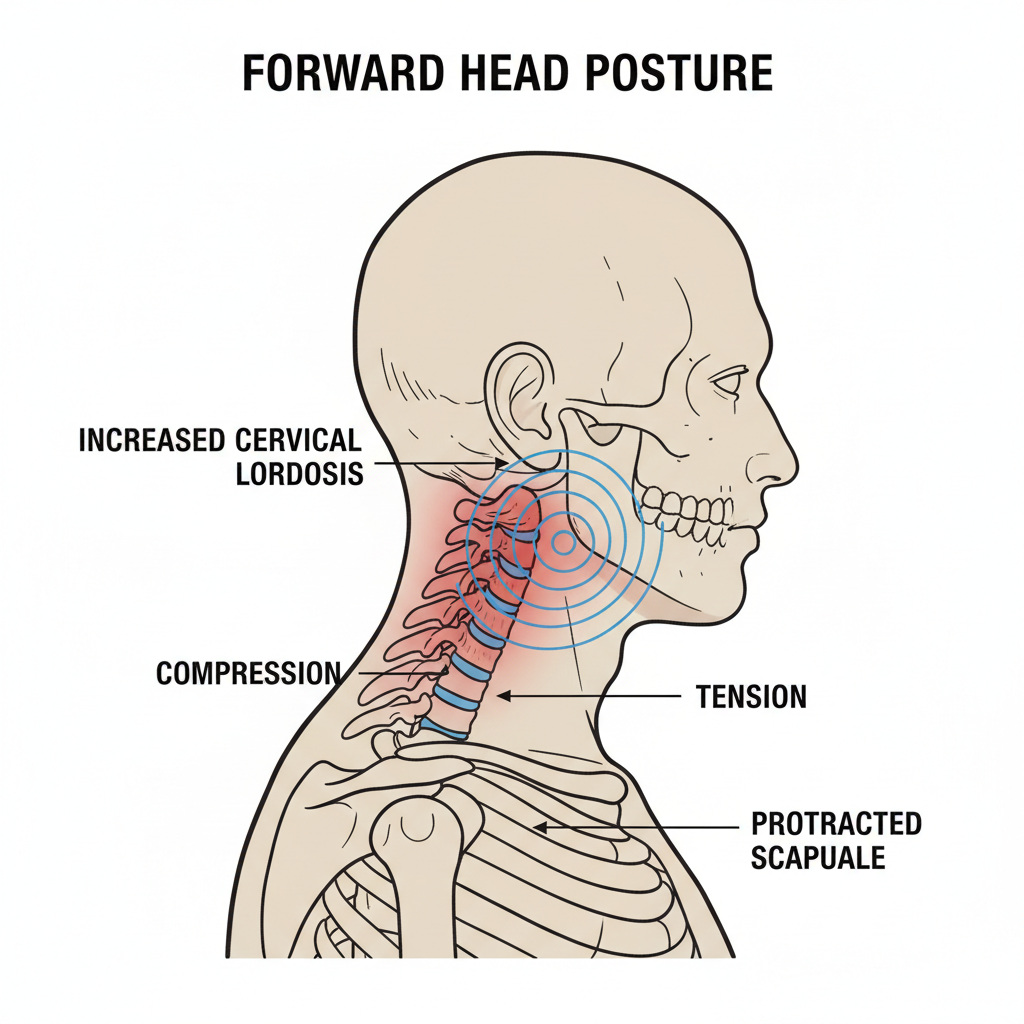
Upper back tension often accumulates in the muscles between the shoulder blades and at the base of the neck. This is frequently related to prolonged sitting, stress, and the habitual rounding of the shoulders that occurs when working at a desk.

Posture-Related Discomfort
Posture-related discomfort is the result of the cumulative strain placed on the spine and supporting structures by habitual positions and movement patterns. It is not caused by a single incident but by the repeated, sustained loading of tissues in suboptimal positions.
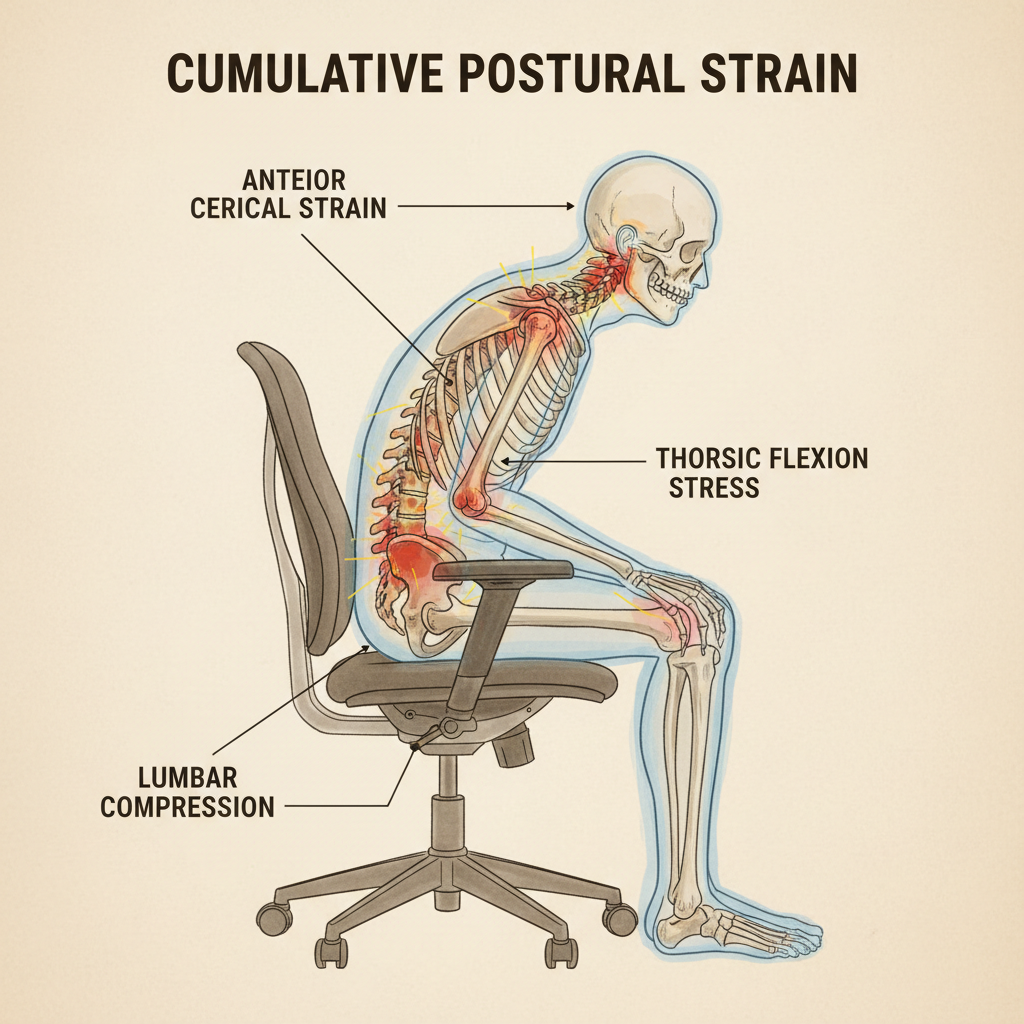
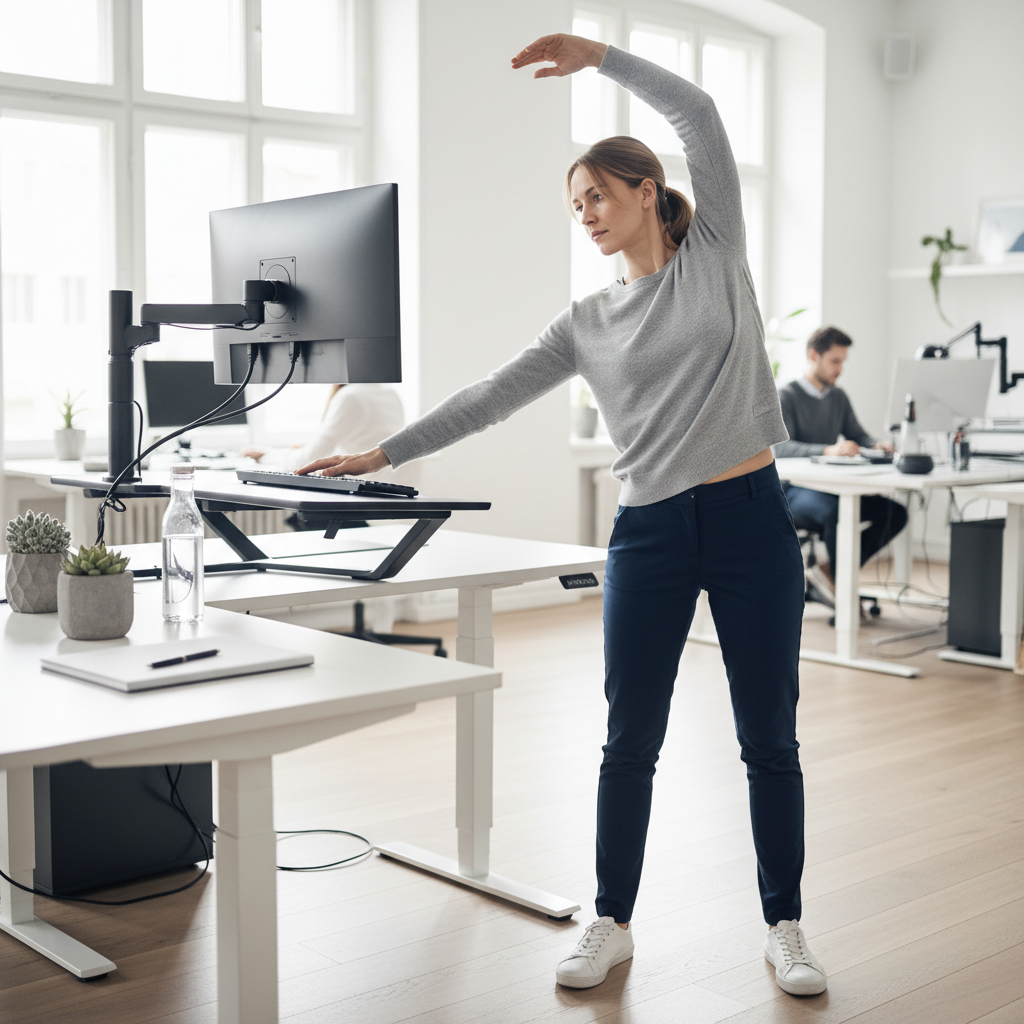
The good news is that posture-related discomfort is often highly responsive to changes in movement habits, ergonomic adjustments, and regular exercise. It is one of the most preventable and manageable forms of back discomfort.
Disc-Related Problems
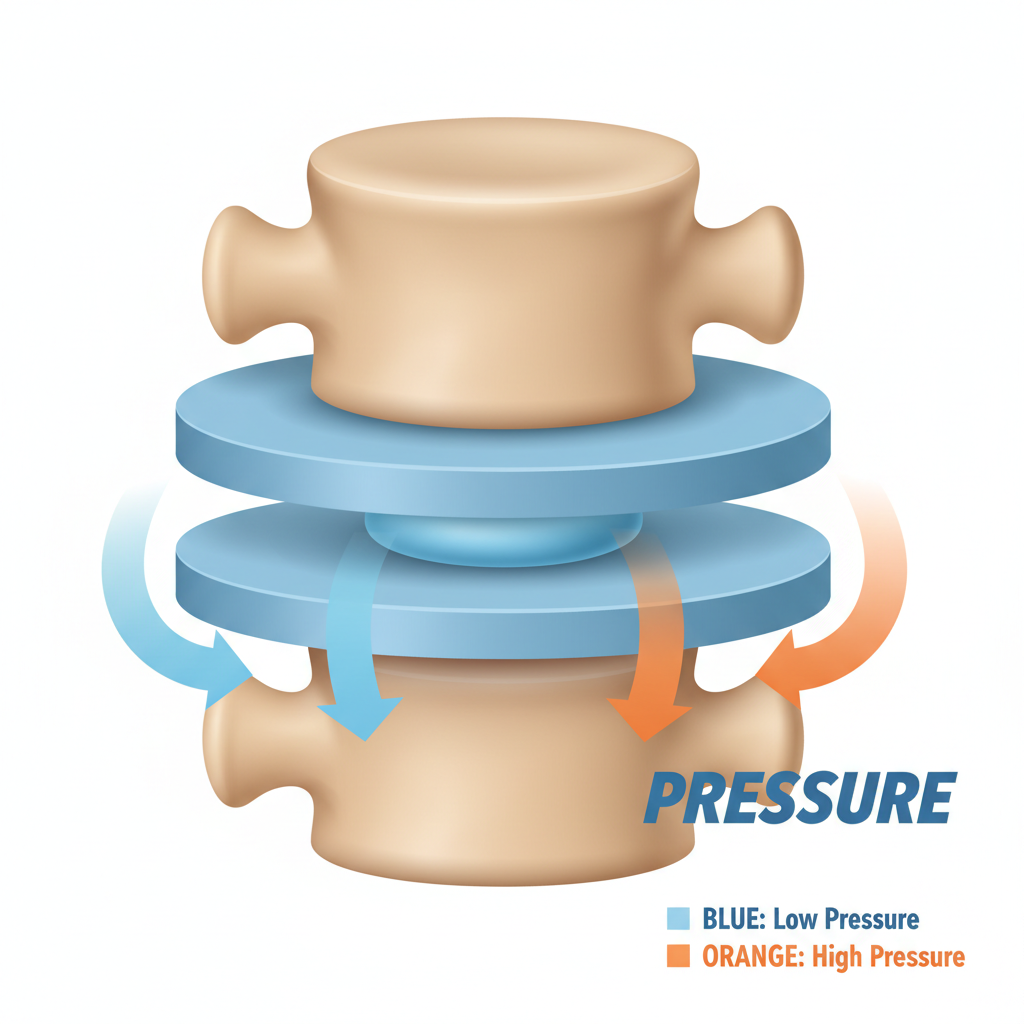
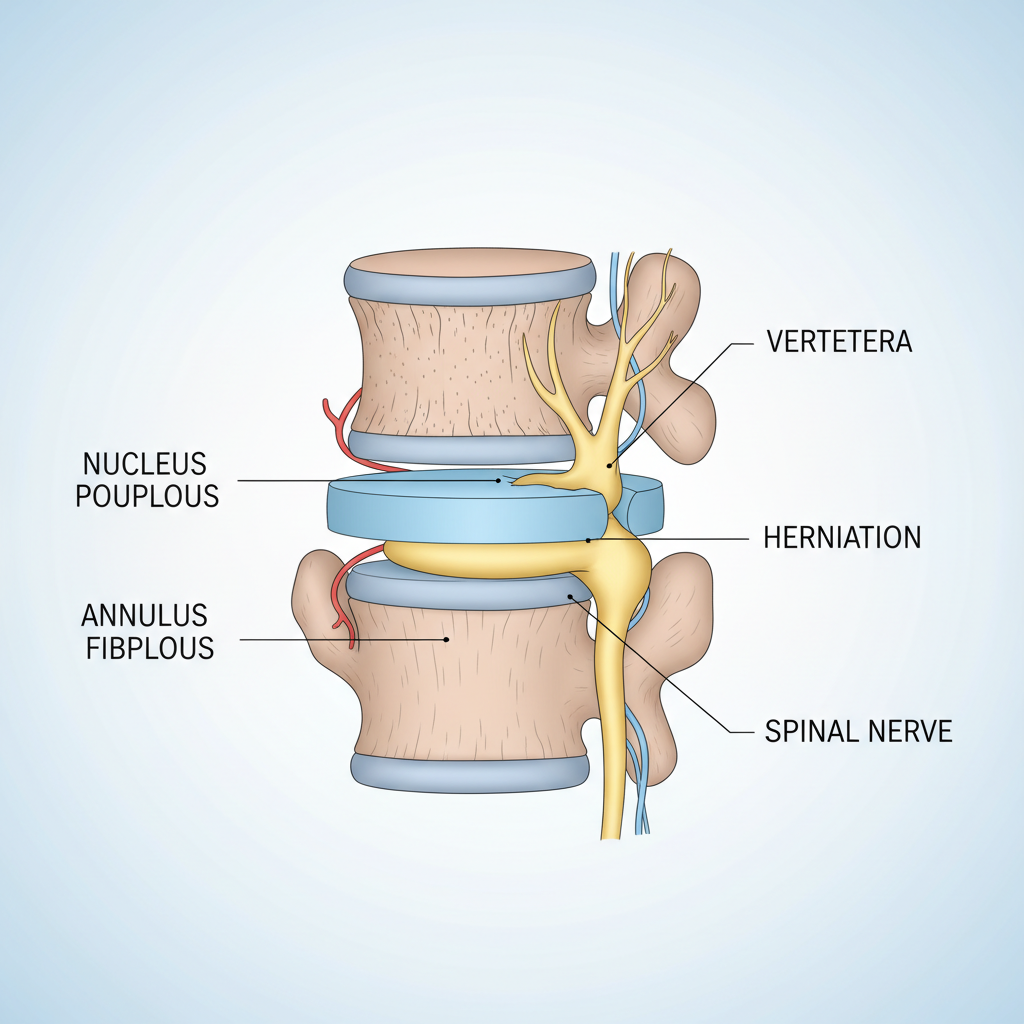
The intervertebral discs — the cushions between the vertebrae — can be a source of back pain in various ways. Disc herniation (sometimes called a "slipped disc") occurs when the soft inner material of a disc pushes through its outer layer, potentially irritating nearby nerves. Disc degeneration — the gradual wearing of disc material with age — can reduce the disc's ability to absorb shock and may contribute to back pain.
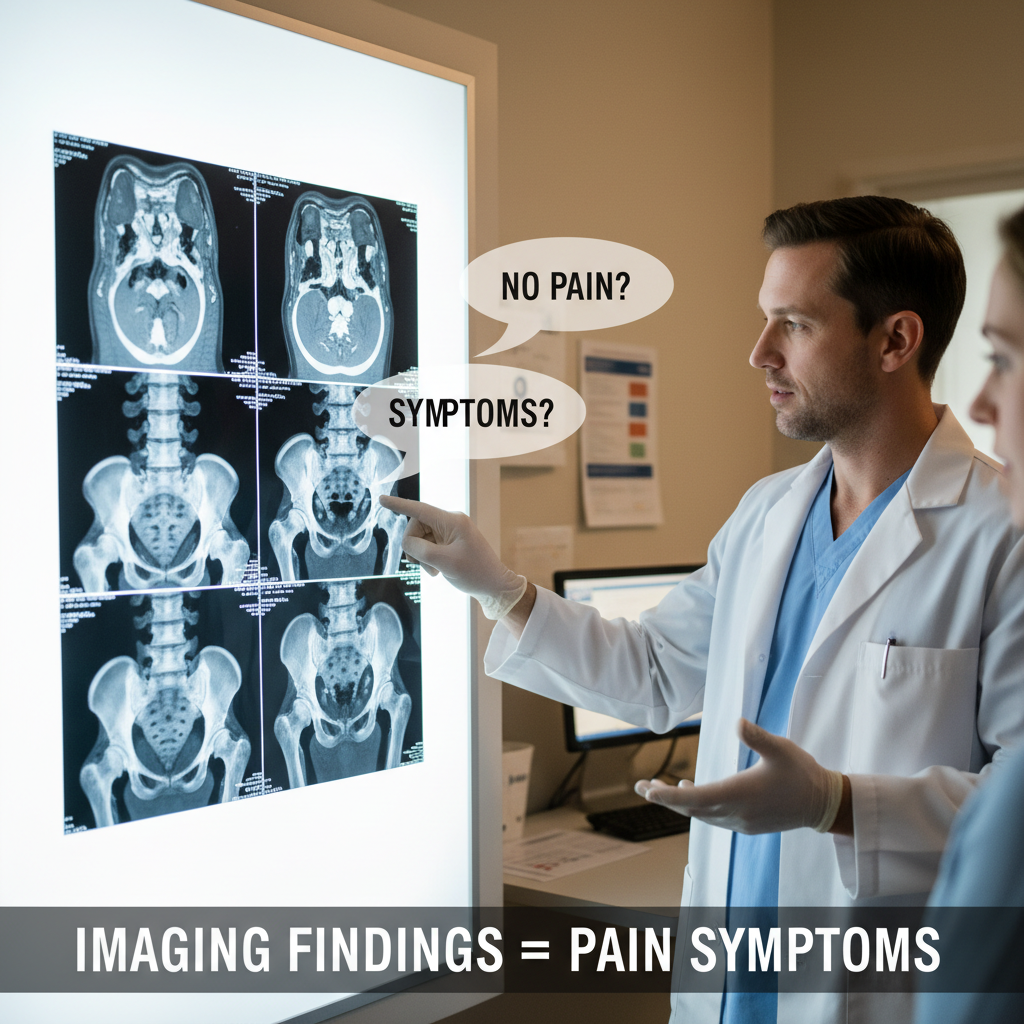
It is worth noting that disc changes visible on imaging do not always correlate with pain. Many people have disc herniations or degenerative changes visible on MRI with no symptoms at all. This is one of the reasons why imaging alone is not a reliable guide to treatment.
Degenerative Changes Associated With Aging
As the spine ages, various structural changes occur — disc degeneration, facet joint changes, and the development of bone spurs (osteophytes). These changes are a normal part of the aging process and are present in most people over 50, regardless of whether they have back pain.
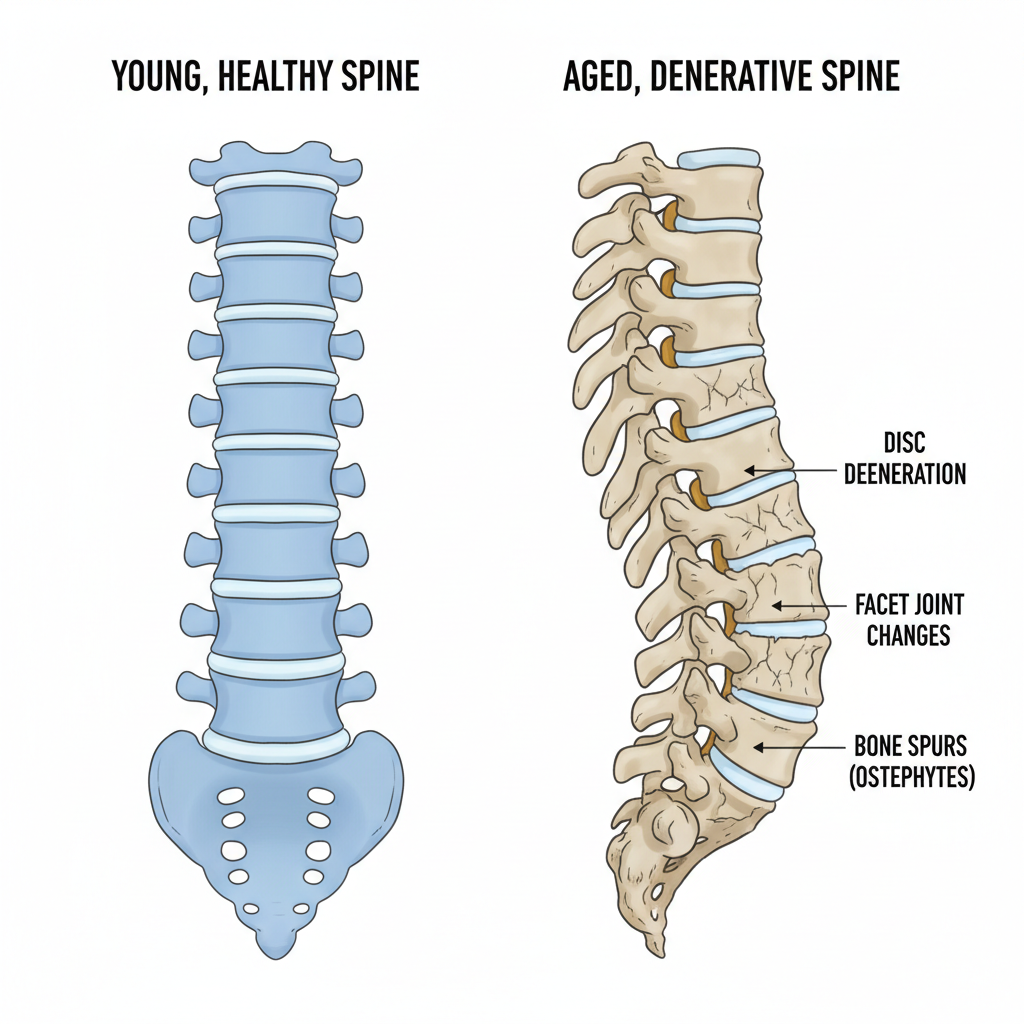
The presence of degenerative changes does not mean that pain is inevitable or permanent. Many people with significant degenerative changes on imaging have little or no pain. Conversely, some people with minimal structural changes experience significant discomfort. The relationship between structure and symptoms is complex.

When Should You Get Your Back Checked?
- Pain that is severe, rapidly worsening, or does not improve after several weeks of conservative management.
- Pain that is accompanied by neurological symptoms — numbness, tingling, or weakness in the arms or legs.
- Loss of bladder or bowel control — this requires immediate medical attention.
- Back pain following a significant injury, fall, or trauma.
- Pain that is worse at night or at rest (rather than with activity).
- Back pain accompanied by fever, unexplained weight loss, or other systemic symptoms.
- Back pain in someone with a history of cancer, osteoporosis, or immune system problems.
- Pain that significantly limits your ability to function in daily life.
What You Can Do Today
- Move regularly. Prolonged static postures — whether sitting or standing — increase spinal load. Take movement breaks every 30–45 minutes.
- Strengthen your core. The muscles that support the spine are as important as the spine itself.
- Improve your ergonomics. A well-set-up workstation significantly reduces postural strain.
- Stretch regularly. Maintaining flexibility in the hips, hamstrings, and thoracic spine reduces lower back strain.
- Sleep well. The spine rehydrates and recovers during sleep. Protect your sleep quality.
- Manage stress. Psychological stress is a well-established contributor to back pain.
- If symptoms are persistent or concerning, seek professional assessment.

Key Takeaway
Back pain is common, but it is not inevitable — and it is not always serious. Understanding the different types of spine-related discomfort, maintaining good movement and posture habits, and knowing when to seek professional help are the foundations of effective spine wellness.

- Discover the CERAGEM Shaw Wellness Lounge — a dedicated environment for relaxation, self-care, and spine wellness.
- Experience CERAGEM Shaw: ceragemshaw.com/visit
- Explore the CERAGEM Master V4 thermal wellness technology.
Educational Disclaimer: The information provided in this article is for general educational and wellness purposes only and is not intended to diagnose, treat, cure, or prevent any medical condition. If you have persistent pain, neurological symptoms, a diagnosed medical condition, or concerns about your health, consult a qualified healthcare professional.