Most people are familiar with the word scoliosis — but far fewer understand what it actually means, how it is identified, or what it means for daily life. For many, a scoliosis diagnosis arrives unexpectedly — during a school screening, a routine medical check, or an investigation into back pain — and raises more questions than it answers.
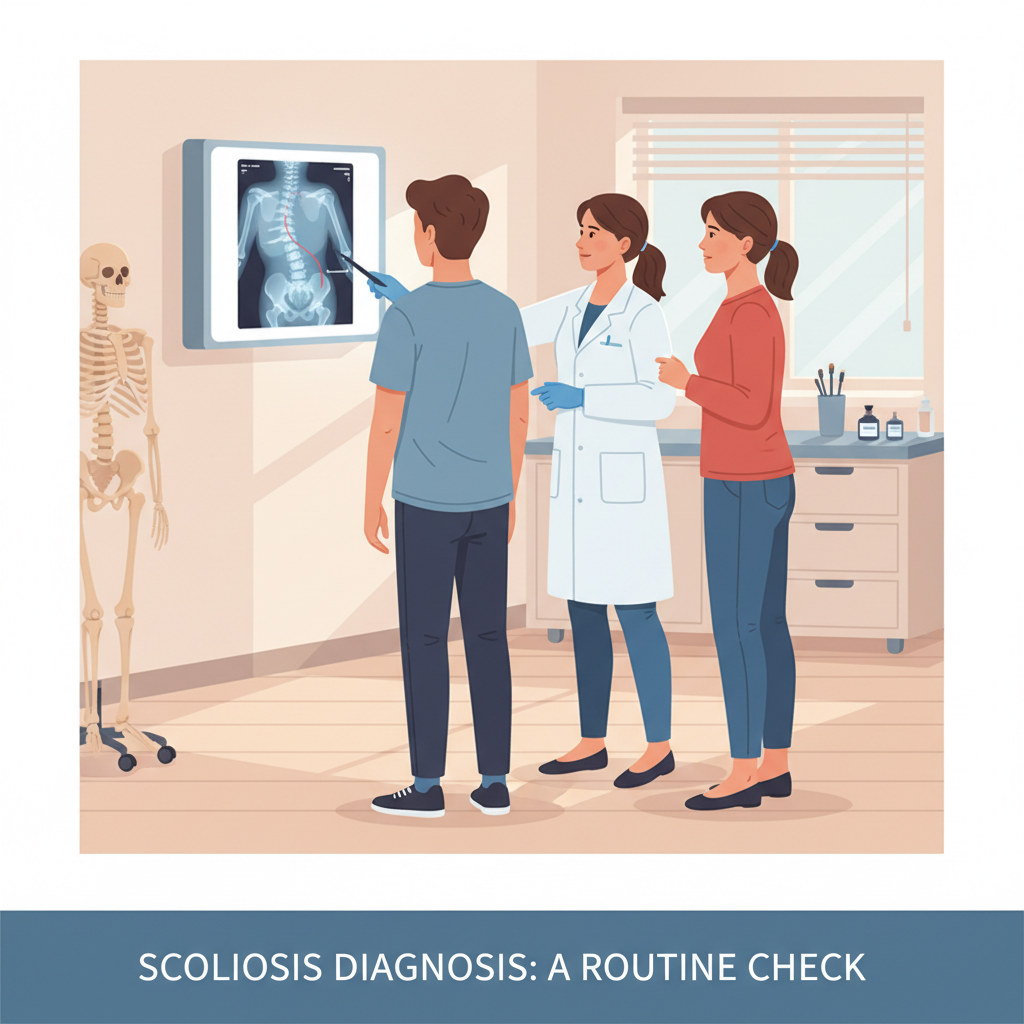
This article provides a clear, educational overview of scoliosis: what it is, how it differs from ordinary posture, who it affects, and why professional guidance is essential for anyone who has been diagnosed with it.
Important: This article is for general educational purposes only. If you have been diagnosed with scoliosis or suspect you may have it, please follow the guidance of your healthcare professional.
What Is Scoliosis?
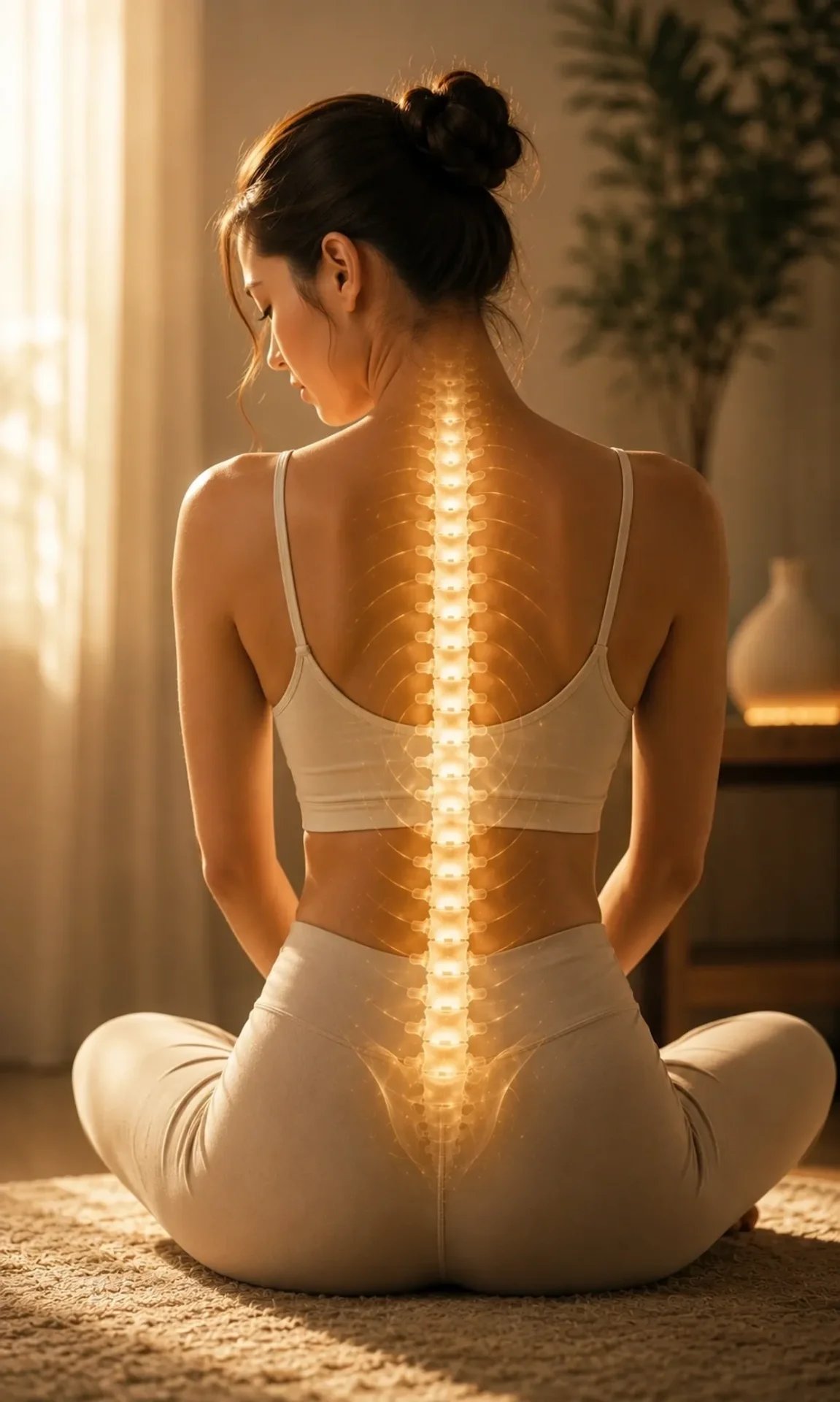
Scoliosis is a condition in which the spine curves sideways — in a C or S shape — rather than running straight down the centre of the back. In addition to the lateral (side-to-side) curve, scoliosis often involves a rotation of the vertebrae, which can affect the appearance of the ribcage and the overall shape of the back.
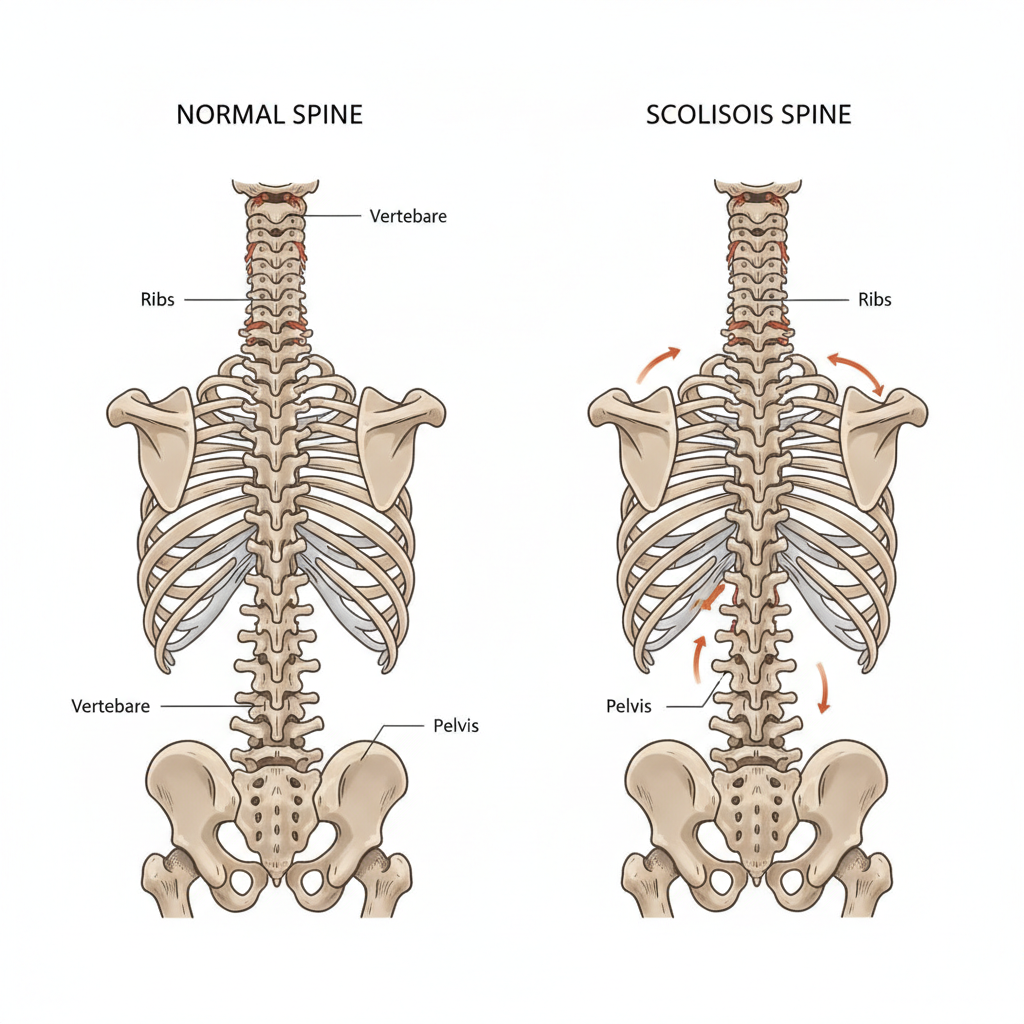
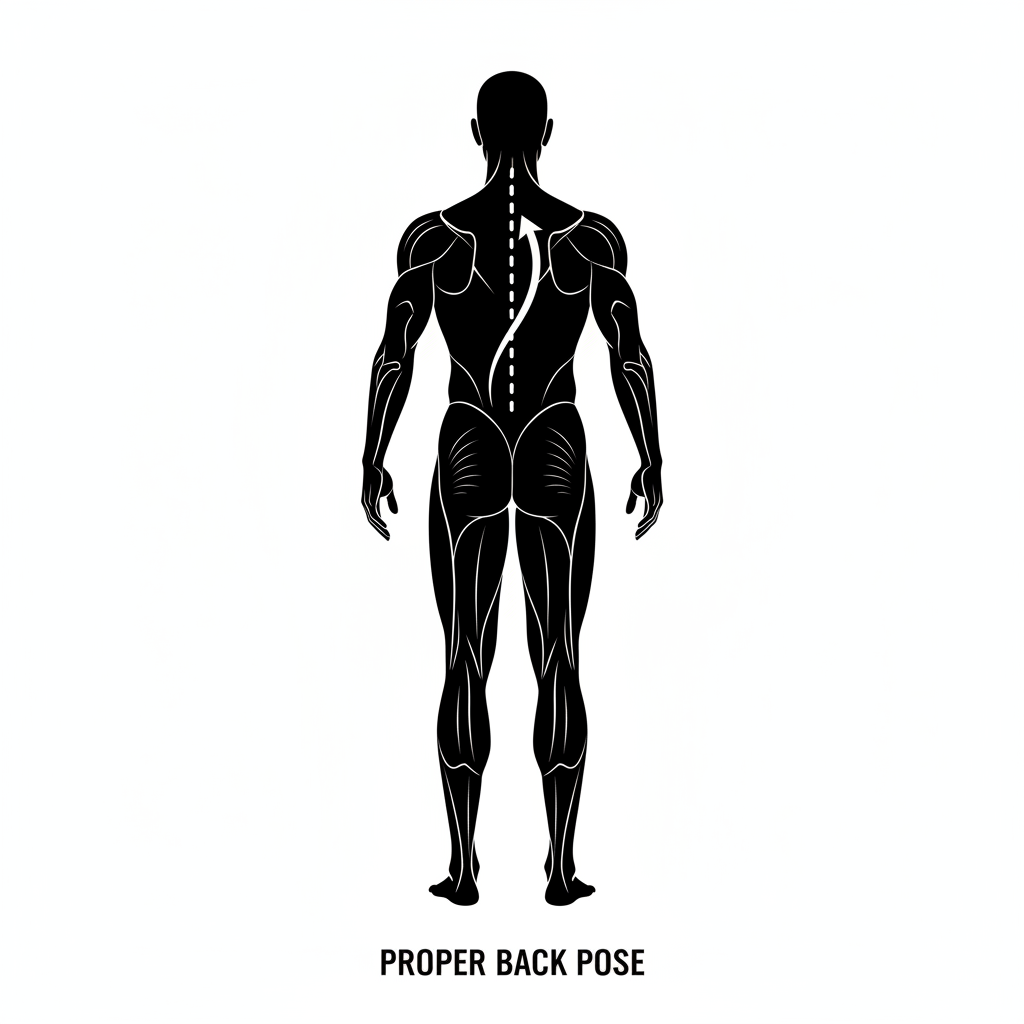
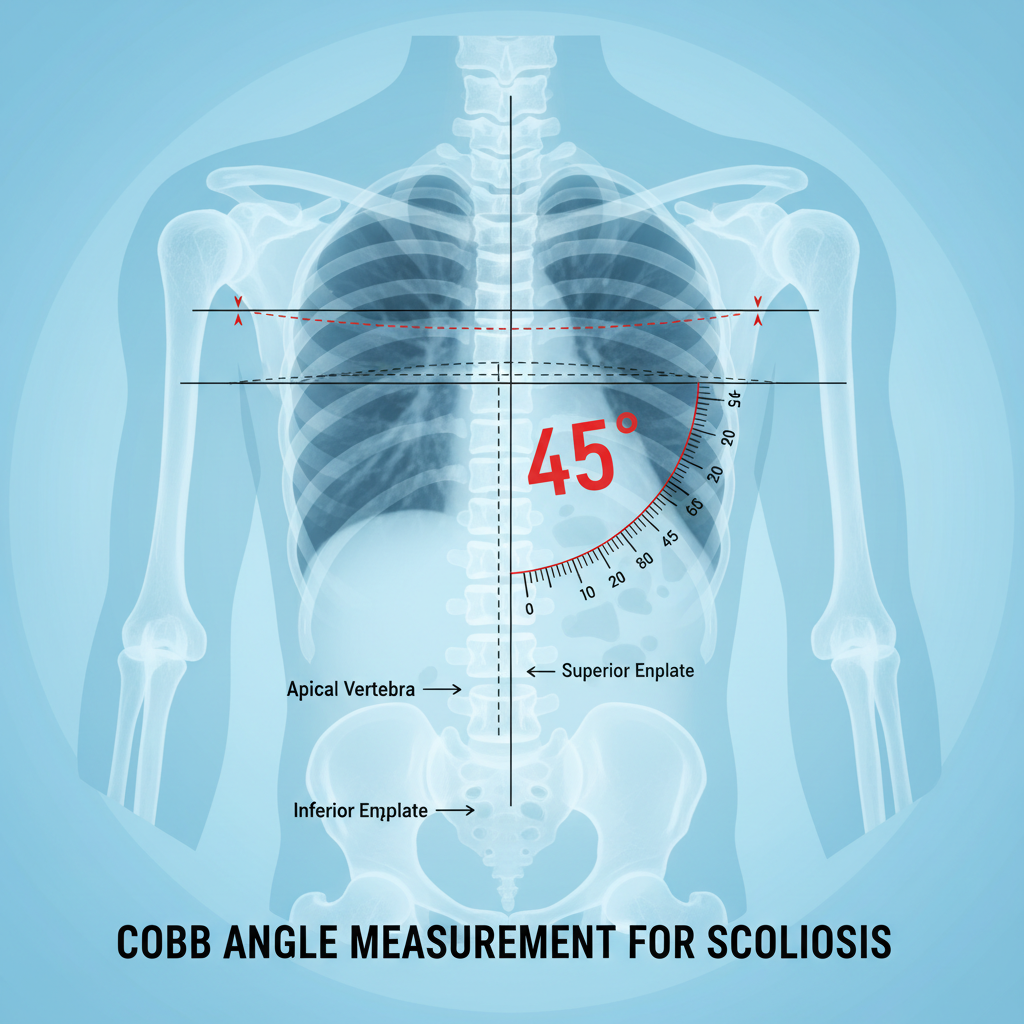
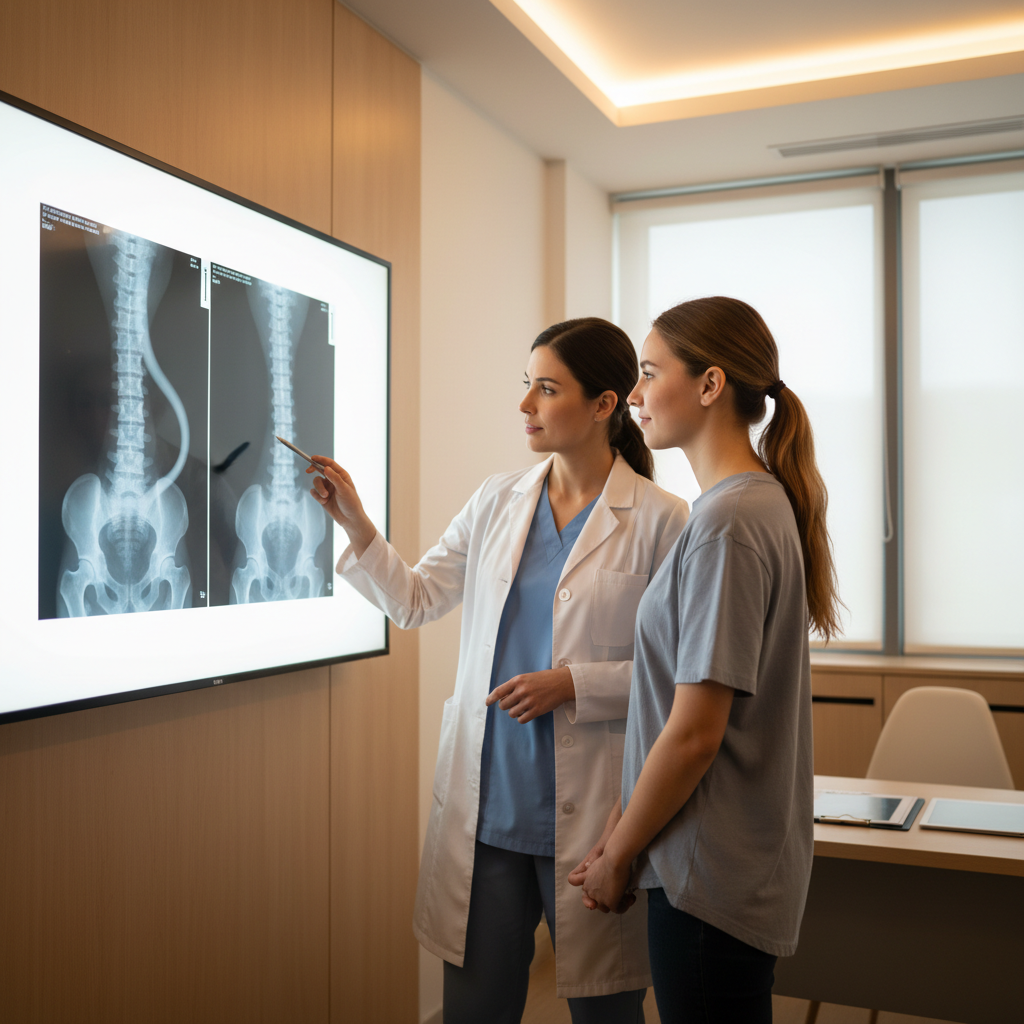
A healthy spine, when viewed from behind, should appear straight. In scoliosis, the spine deviates from this alignment. The degree of curvature is measured in degrees using the Cobb angle — a measurement taken from spinal X-rays. Curves of 10 degrees or more are generally considered scoliosis.
How Scoliosis Differs From Ordinary Posture
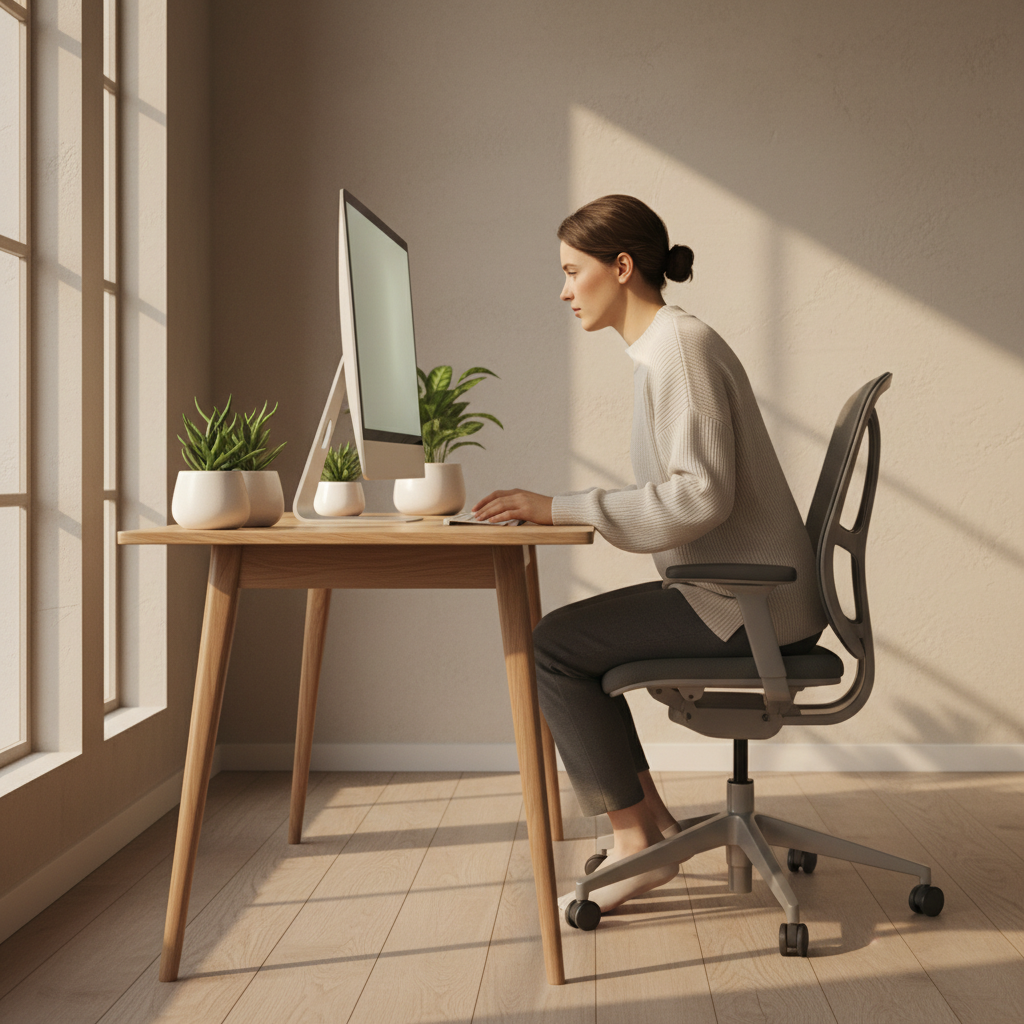
It is important to distinguish scoliosis from postural asymmetry — the uneven posture that many people develop from habitual positions, muscle imbalances, or carrying loads on one side. Postural asymmetry can often be corrected by changing position or consciously adjusting posture. Scoliosis is a structural change in the spine itself — it does not simply disappear when you stand up straight.
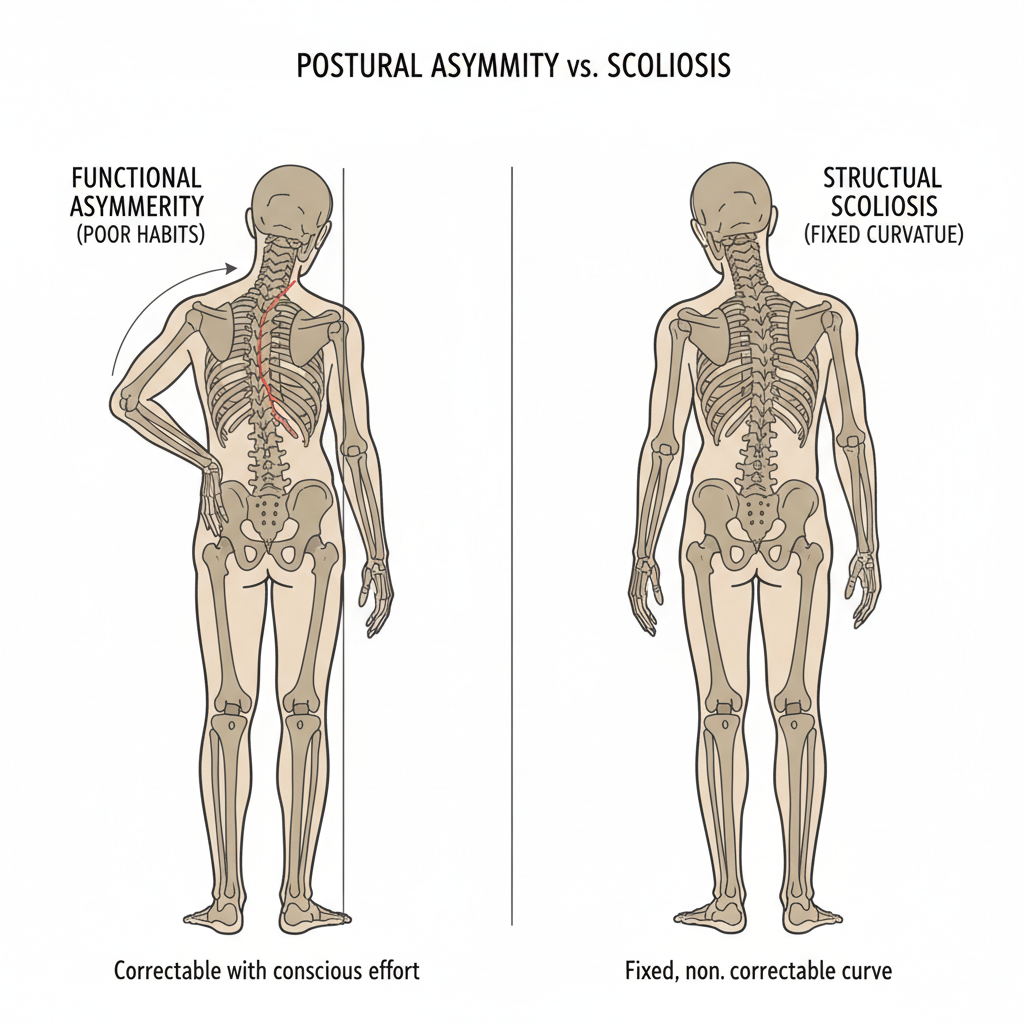
This distinction matters because the management of scoliosis is very different from the management of postural habits. Scoliosis requires professional assessment and, depending on its severity, may require specific monitoring, treatment, or management strategies.
Common Types of Scoliosis
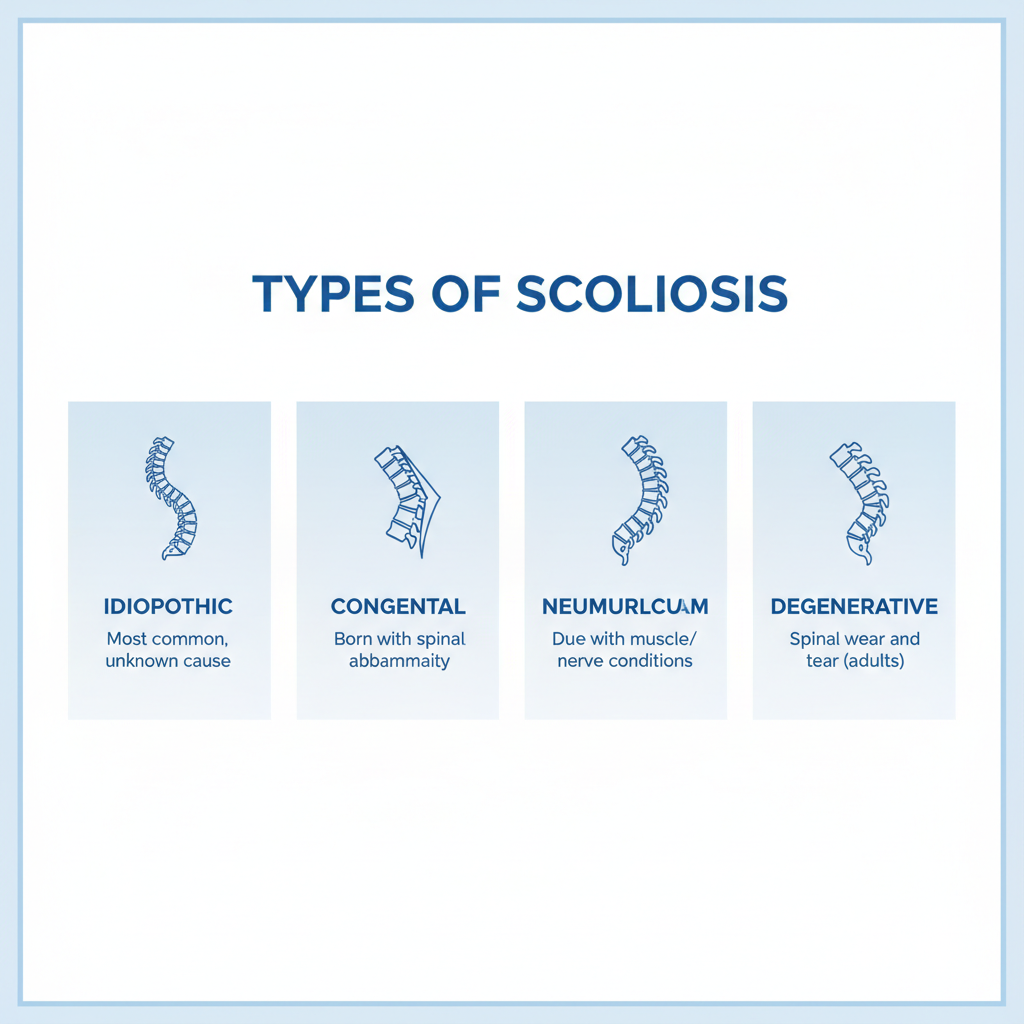
- Idiopathic scoliosis: The most common type, with no identified cause. It most often develops during adolescence (adolescent idiopathic scoliosis) but can also occur in children and adults.
- Congenital scoliosis: Present from birth, caused by abnormal vertebral development during foetal development.
- Neuromuscular scoliosis: Associated with conditions that affect the muscles and nerves, such as cerebral palsy or muscular dystrophy.
- Degenerative scoliosis (adult scoliosis): Develops in adulthood as a result of age-related degeneration of the spinal structures.
- Functional scoliosis: An apparent curve caused by a non-structural factor, such as a leg length discrepancy. This type may resolve when the underlying cause is addressed.
How Scoliosis May Be Identified
Scoliosis is often identified during school screening programmes, routine medical examinations, or investigations into back pain or postural asymmetry. Common signs that may prompt further investigation include uneven shoulder height, one shoulder blade appearing more prominent than the other, an uneven waistline, or one hip appearing higher than the other.
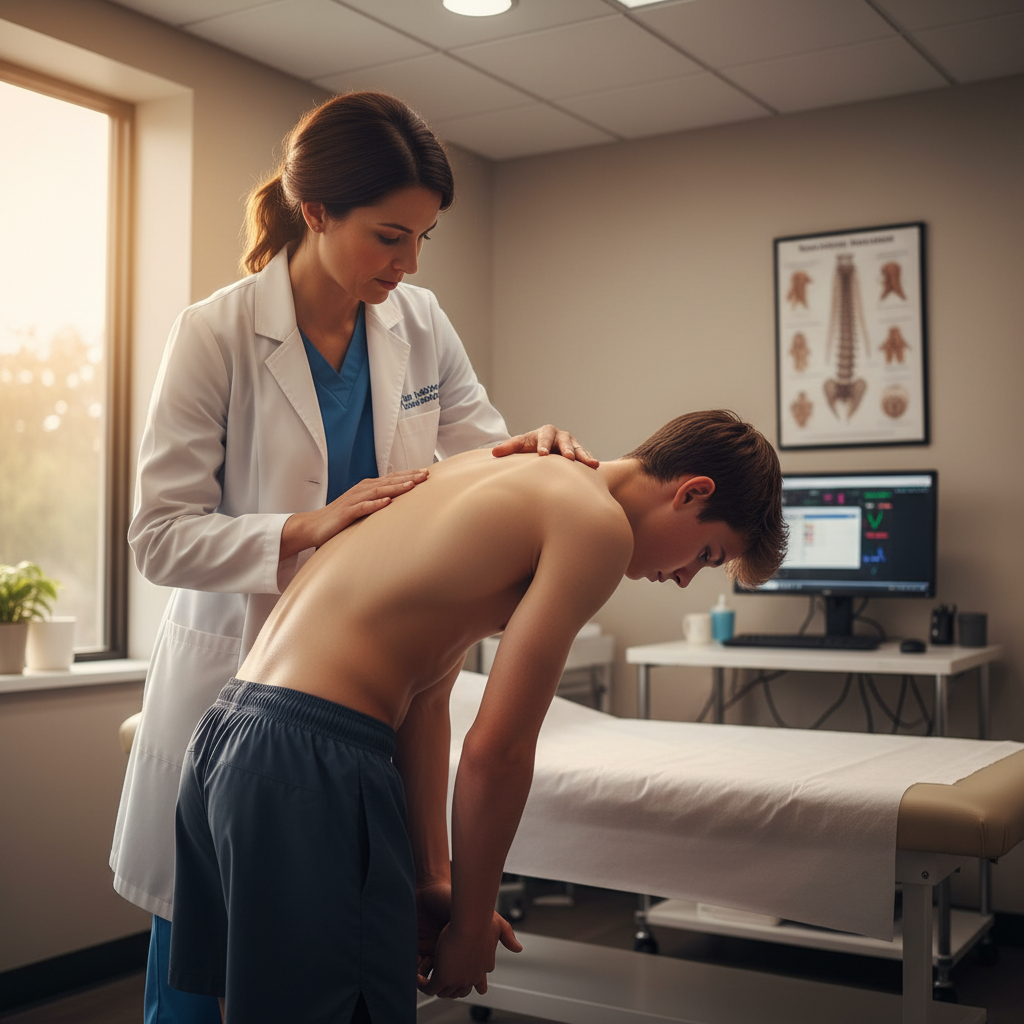
Diagnosis is confirmed through spinal X-rays, which allow the Cobb angle to be measured and the type and location of the curve to be identified.
Why Severity and Individual Circumstances Matter
Scoliosis exists on a spectrum. A mild curve of 10–20 degrees may require only monitoring and may never cause significant problems. A moderate curve of 20–40 degrees may require more active management. A severe curve of 40 degrees or more may require surgical consideration in some cases.
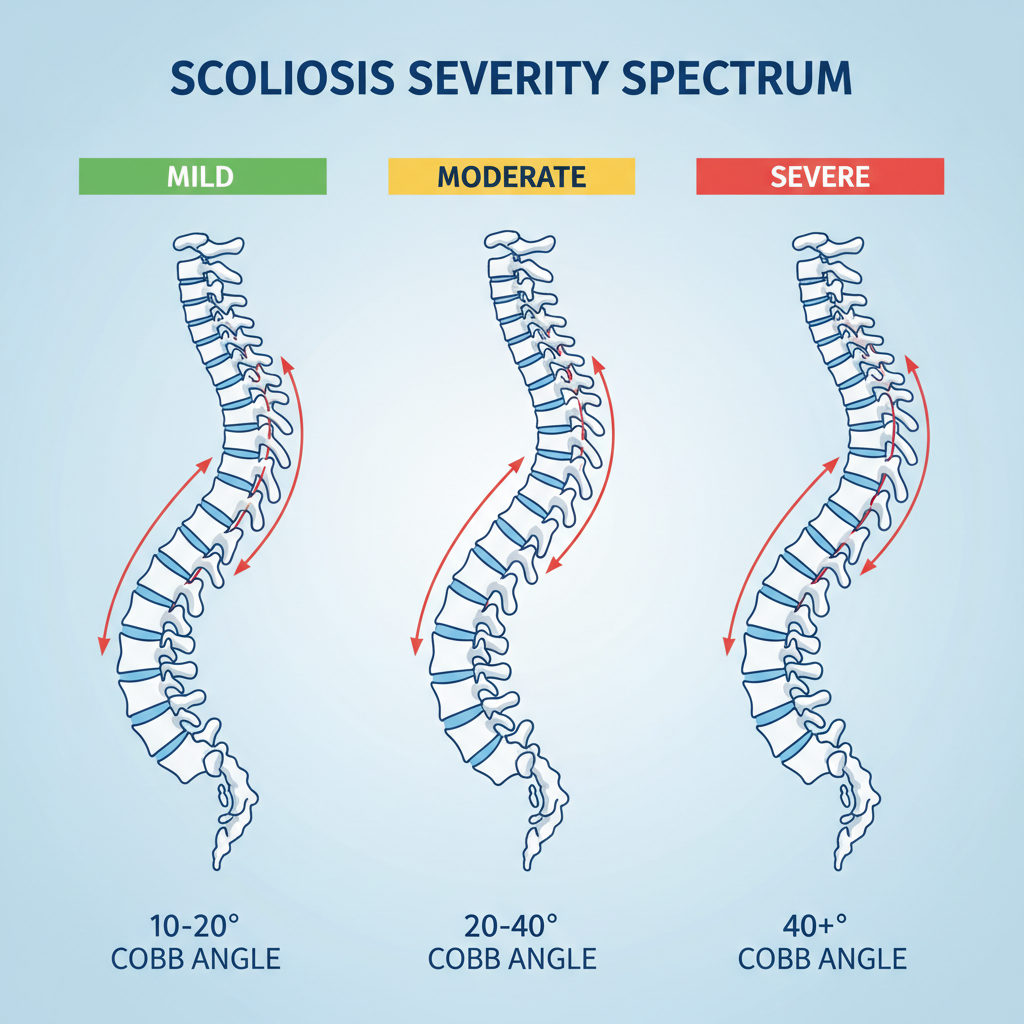
The appropriate management of scoliosis depends on many factors — the degree of curvature, the type of scoliosis, the age of the person, whether the curve is progressing, and the presence or absence of symptoms. This is why individualised professional assessment is essential.
Scoliosis in Children, Adolescents, and Adults
Scoliosis presents differently at different life stages. In children and adolescents, the primary concern is often whether the curve will progress as the spine grows. Regular monitoring is typically recommended during growth periods. In adults, scoliosis may be a continuation of adolescent scoliosis or may develop as a result of age-related spinal changes. Adult scoliosis is more commonly associated with back pain and functional limitations.
General Movement and Wellness Considerations
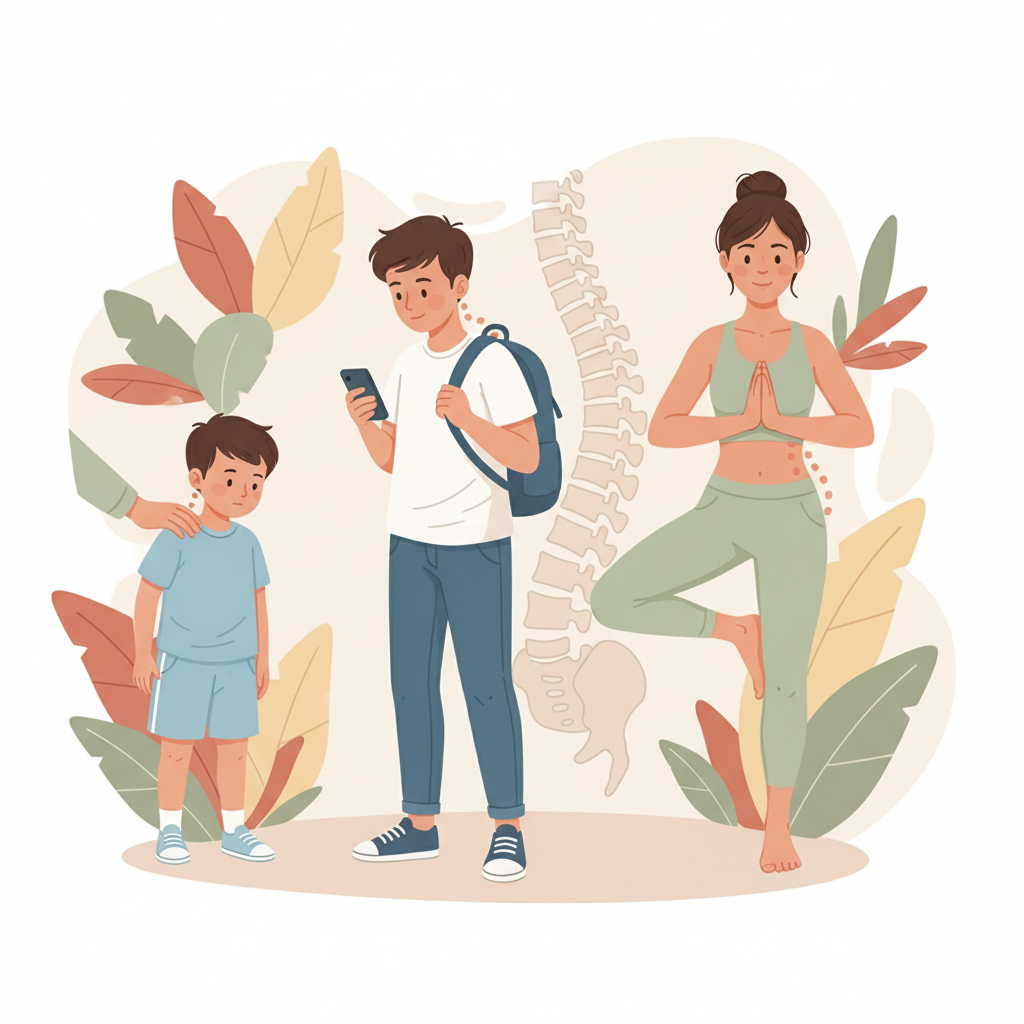
For most people with mild to moderate scoliosis, regular movement and physical activity are beneficial — not harmful. Staying active, maintaining core strength, and keeping the spine mobile are generally encouraged. However, the specific activities and exercises that are appropriate will depend on the individual's curve, symptoms, and overall health.
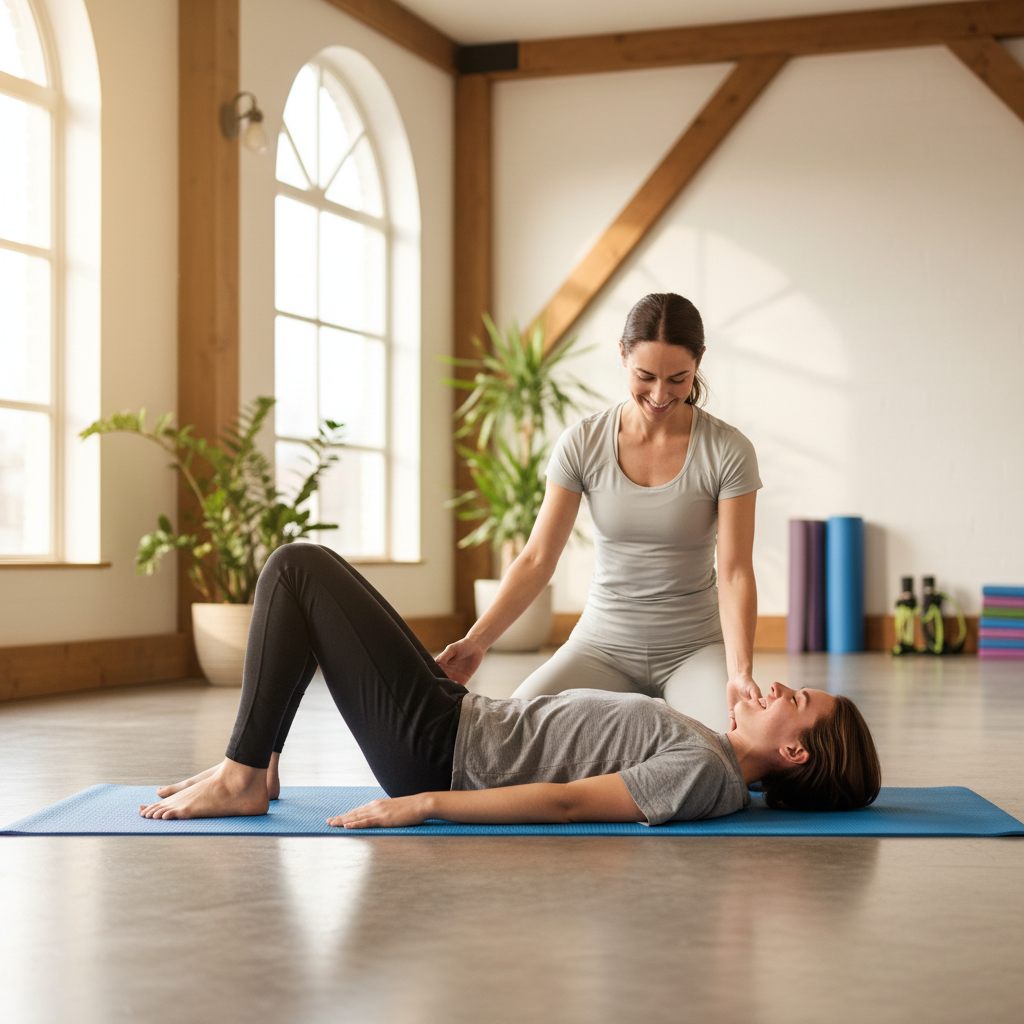
People with scoliosis should always follow the guidance of their healthcare professional regarding exercise, physical activity, and any wellness therapies they are considering. This includes thermal wellness, massage, and other relaxation-focused practices — which may be appropriate for some people with scoliosis but should be discussed with a professional first.
What You Can Do Today
- Seek professional assessment if you have not already done so. A qualified healthcare professional can confirm the diagnosis, measure the curve, and recommend appropriate management.
- Follow your healthcare professional's guidance regarding monitoring, exercise, and any treatment.
- Stay active within the parameters recommended by your professional. Movement is generally beneficial.
- Be cautious about wellness therapies that claim to straighten or cure scoliosis — no wellness device can do this.
- Focus on overall wellness: good sleep, stress management, regular movement, and a balanced diet all support general health and quality of life.
Key Takeaway
Scoliosis is a structural curvature of the spine that affects people of all ages. Its impact varies enormously depending on the type, severity, and individual circumstances. Professional assessment is essential for anyone who has been diagnosed with scoliosis or suspects they may have it. With appropriate management and guidance, most people with scoliosis can live active, full lives.

- Discover the CERAGEM Shaw Wellness Lounge — a dedicated environment for relaxation, self-care, and spine wellness.
- Experience CERAGEM Shaw: ceragemshaw.com/visit
- Explore the CERAGEM Master V4 thermal wellness technology.
Educational Disclaimer: The information provided in this article is for general educational and wellness purposes only and is not intended to diagnose, treat, cure, or prevent any medical condition. People diagnosed with scoliosis should follow the guidance of their healthcare professionals. If you have persistent pain, neurological symptoms, or concerns about your spinal health, consult a qualified healthcare professional.