There is something deeply instinctive about the comfort of warmth. A warm bath after a long day. The heat of sunlight on tired muscles. The soothing sensation of a warm compress on a stiff neck. Across cultures and throughout history, warmth has been used as a tool for relaxation, recovery, and wellbeing.
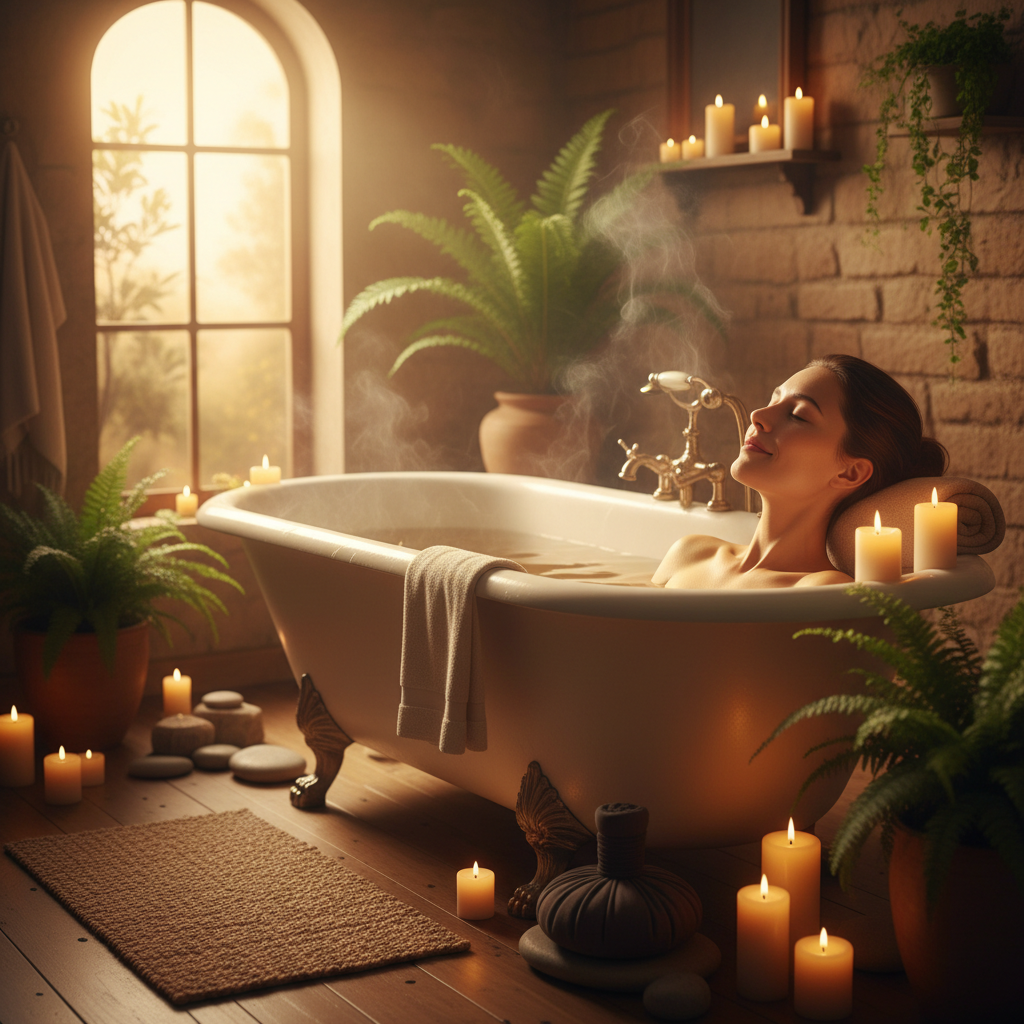
Today, thermal wellness — the intentional use of heat as part of a self-care routine — is experiencing a renaissance. From traditional Korean jjimjilbang to modern infrared wellness technology, people are rediscovering what ancient traditions understood: warmth is one of the most accessible and effective tools for relaxation and recovery.

What Is Thermal Therapy?
Thermal therapy, in the broadest sense, refers to the use of heat as part of a wellness or relaxation practice. This can take many forms — warm baths, saunas, heated massage, infrared technology, hot compresses, or thermal wellness devices designed to deliver warmth to specific areas of the body.
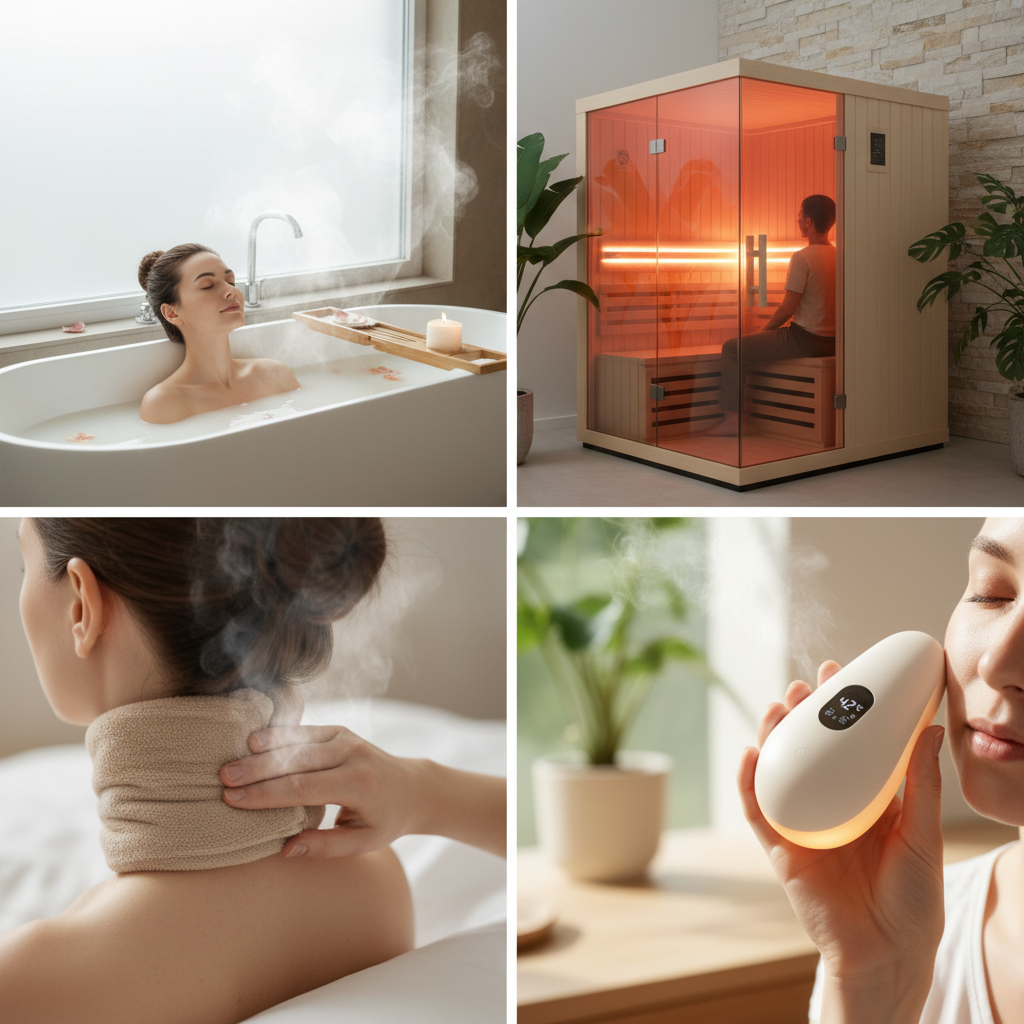
The common thread is the intentional application of warmth to support relaxation, comfort, and recovery. Thermal wellness is distinct from medical heat therapy (which is used under clinical supervision for specific conditions) — it is a wellness practice, not a medical treatment.
Why Warmth Feels Relaxing
The relaxing effect of warmth is not simply psychological — it has a physiological basis. When the body is exposed to warmth, several things happen. Blood vessels near the surface of the skin dilate, increasing circulation. Muscles tend to relax and soften. The nervous system shifts toward a more parasympathetic (rest and recovery) state.
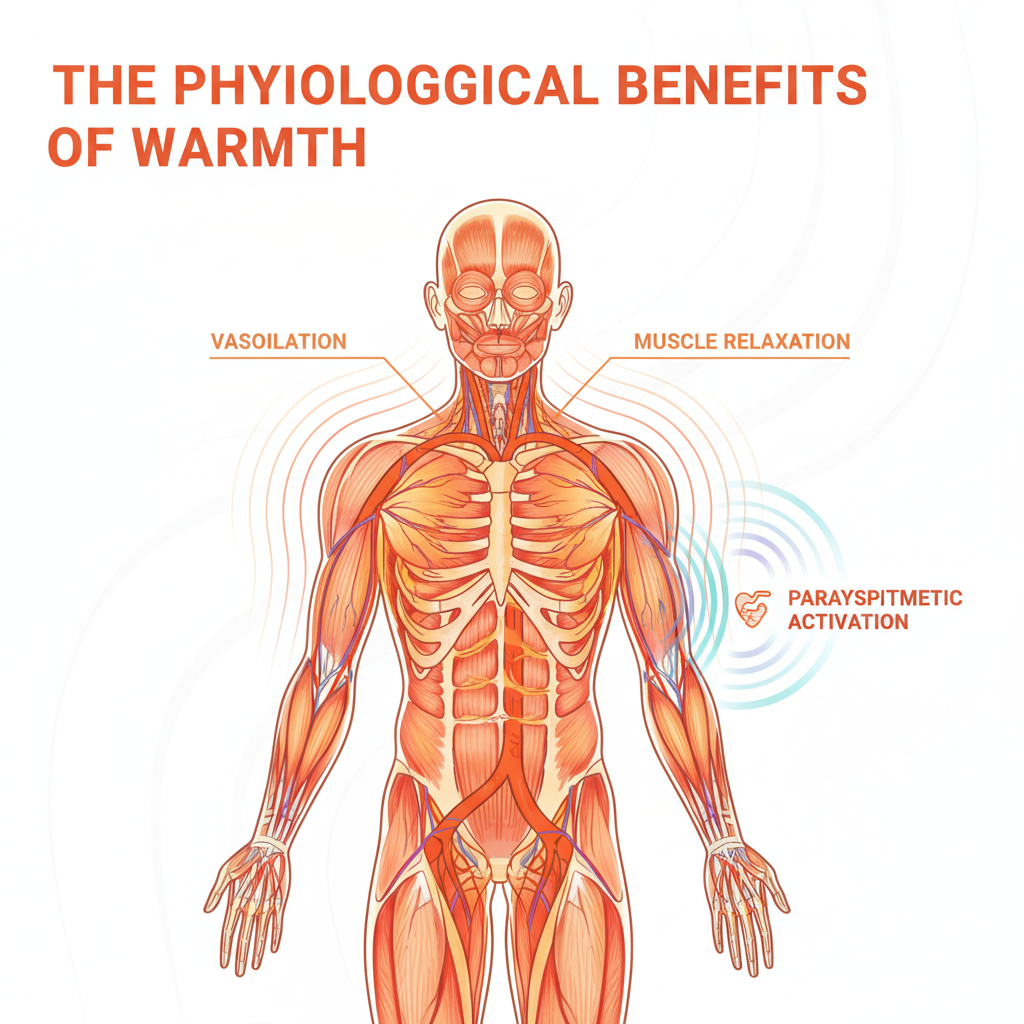
This is why warmth is so consistently associated with relaxation across cultures. It is not a placebo effect. It is the body responding to a signal that has been associated with safety, comfort, and rest throughout human evolution.
How Heat Has Been Used Traditionally
The use of heat for relaxation and recovery is one of the oldest wellness traditions in the world. Roman bathhouses, Japanese onsen, Finnish saunas, Korean jjimjilbang, Turkish hammams — across vastly different cultures, the ritual of warmth has been central to communal wellness and recovery.
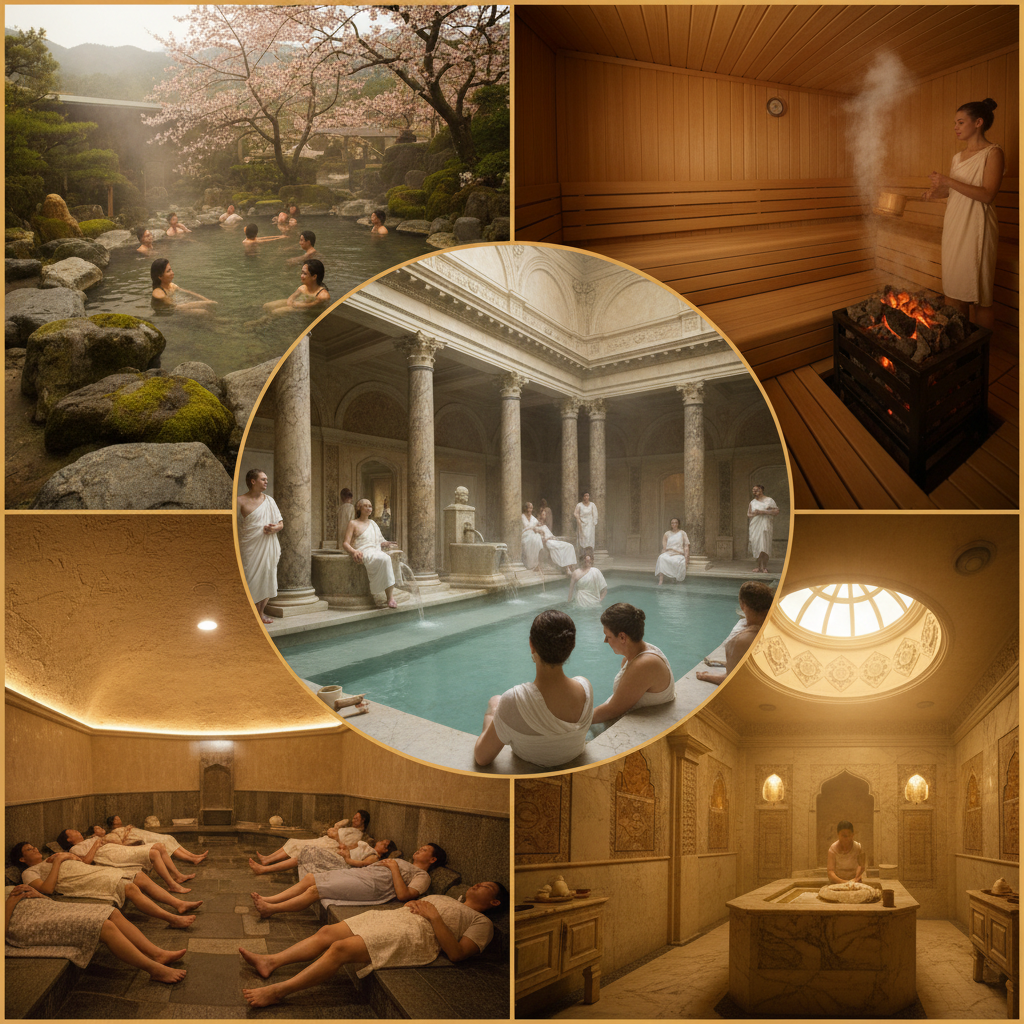
These traditions understood something that modern science has since confirmed: regular exposure to warmth, as part of a consistent wellness routine, supports relaxation, recovery, and a general sense of wellbeing.
Warmth and Muscle Relaxation
One of the most commonly experienced benefits of thermal wellness is the relaxation of tense muscles. Heat increases the extensibility of soft tissue — muscles, tendons, and ligaments become more pliable when warmed. This is why a warm bath or heated massage often provides a sense of relief from the muscle tension that accumulates during a long day of sitting, standing, or physical activity.
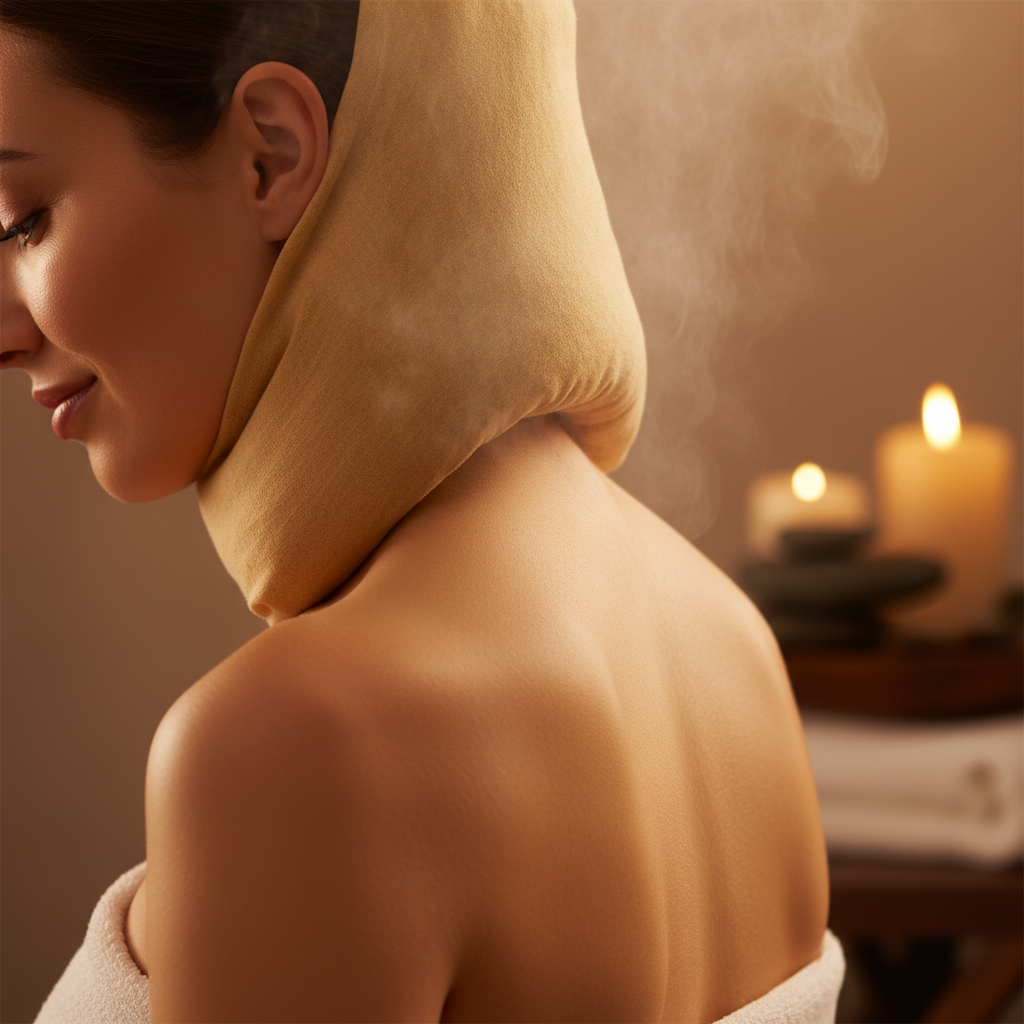
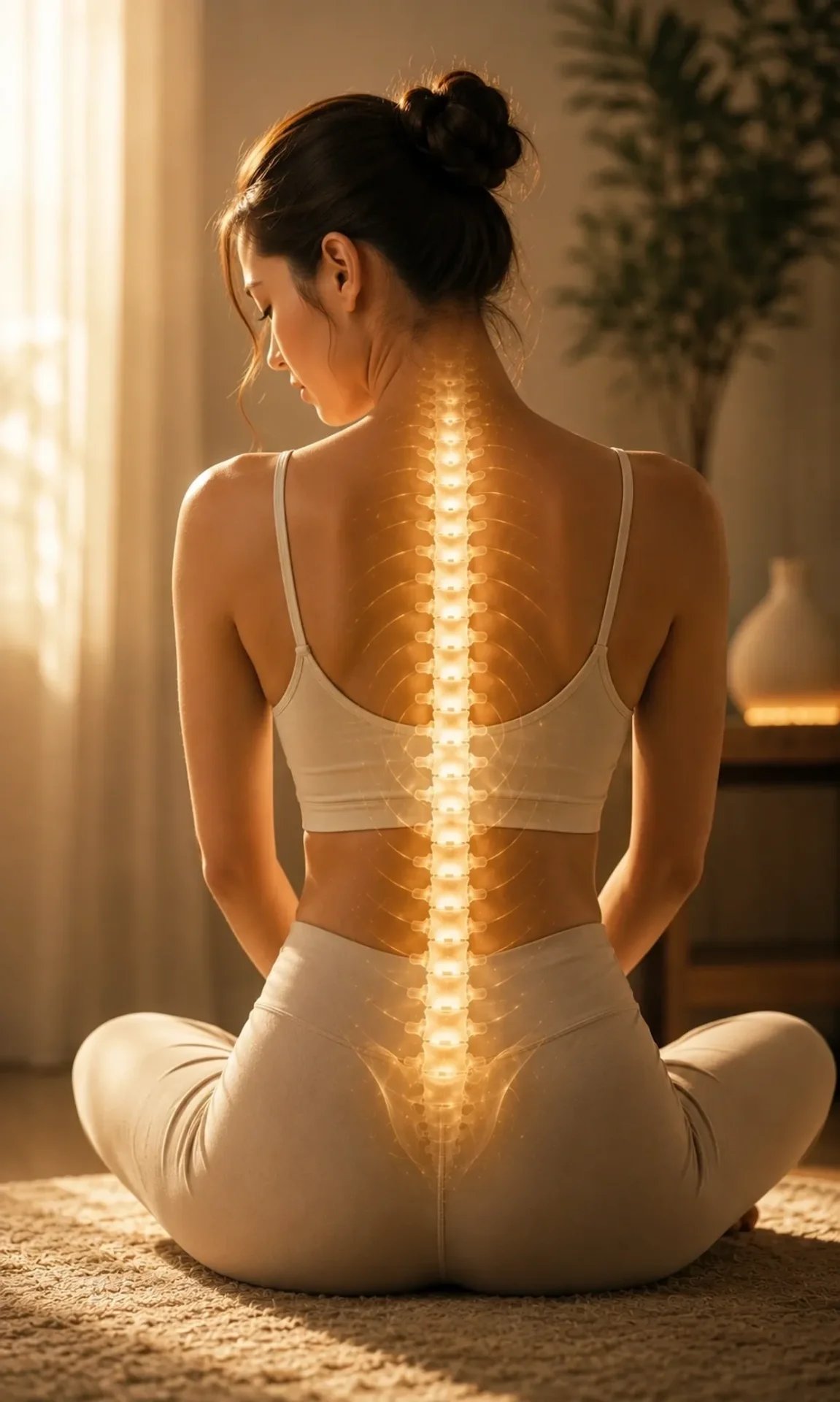
This effect is particularly relevant for people who carry tension in the back, neck, and shoulders — areas that are commonly affected by prolonged desk work, stress, and poor posture habits.
Thermal Wellness in a Modern Self-Care Routine
Thermal wellness can be incorporated into a self-care routine in many ways, depending on access, preference, and lifestyle. A warm bath before bed. A heated wellness session after work. Regular visits to a wellness lounge equipped with thermal technology.
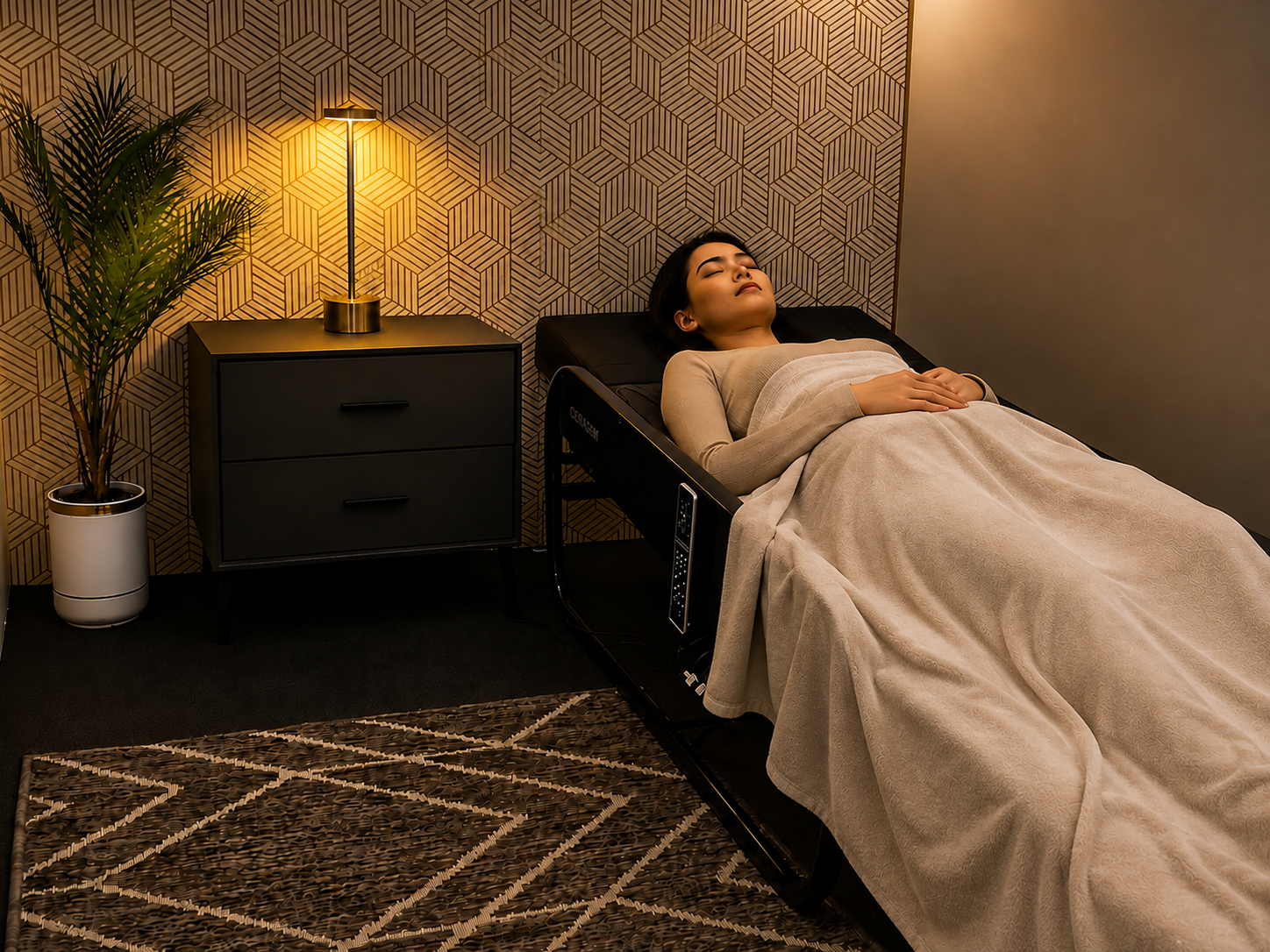
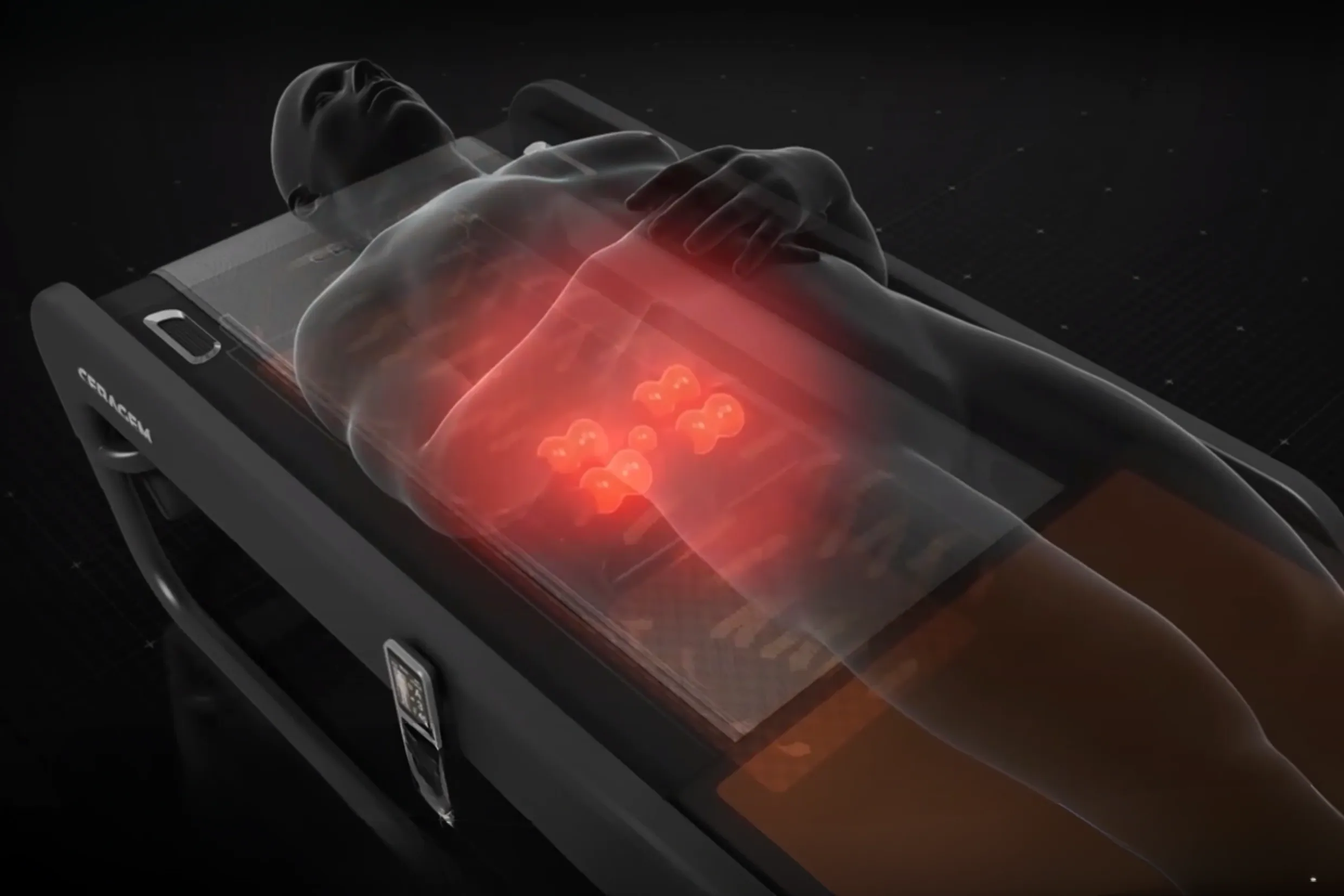
The CERAGEM Master V4, for example, is designed to provide a relaxing thermal wellness experience — combining warmth with gentle massage technology to create a dedicated recovery and relaxation session. It is designed for wellness use, not as a medical device, and is intended to complement a broader self-care routine.
The Difference Between Wellness Use and Medical Treatment
It is important to distinguish between thermal wellness — a self-care practice — and medical heat therapy, which is used under clinical supervision for specific conditions. Thermal wellness is not a treatment for disease. It is a tool for relaxation, recovery, and general wellbeing.
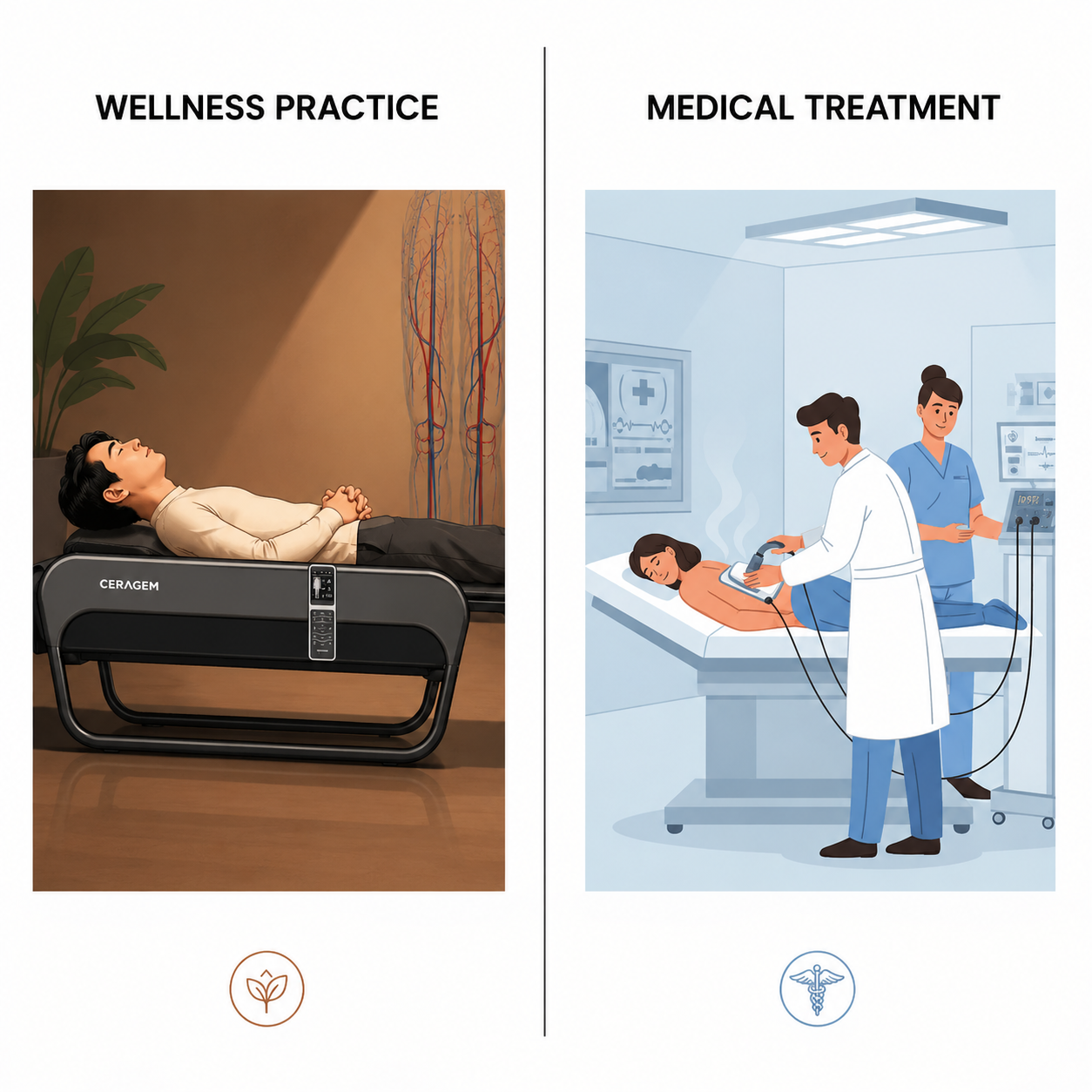
If you have a specific medical condition, injury, or health concern, consult a qualified healthcare professional before incorporating thermal wellness into your routine. Certain conditions may require specific precautions or contraindicate heat use.
Basic Heat Safety Considerations
- Stay hydrated before and after thermal wellness sessions.
- Avoid thermal wellness immediately after intense exercise or when you are unwell.
- Do not fall asleep during a thermal session without appropriate supervision.
- If you feel dizzy, uncomfortable, or unwell during a session, stop immediately.
- Consult a healthcare professional if you are pregnant, have cardiovascular conditions, or take medications that affect heat tolerance.
- Follow the guidelines provided with any thermal wellness device or facility.
What You Can Do Today
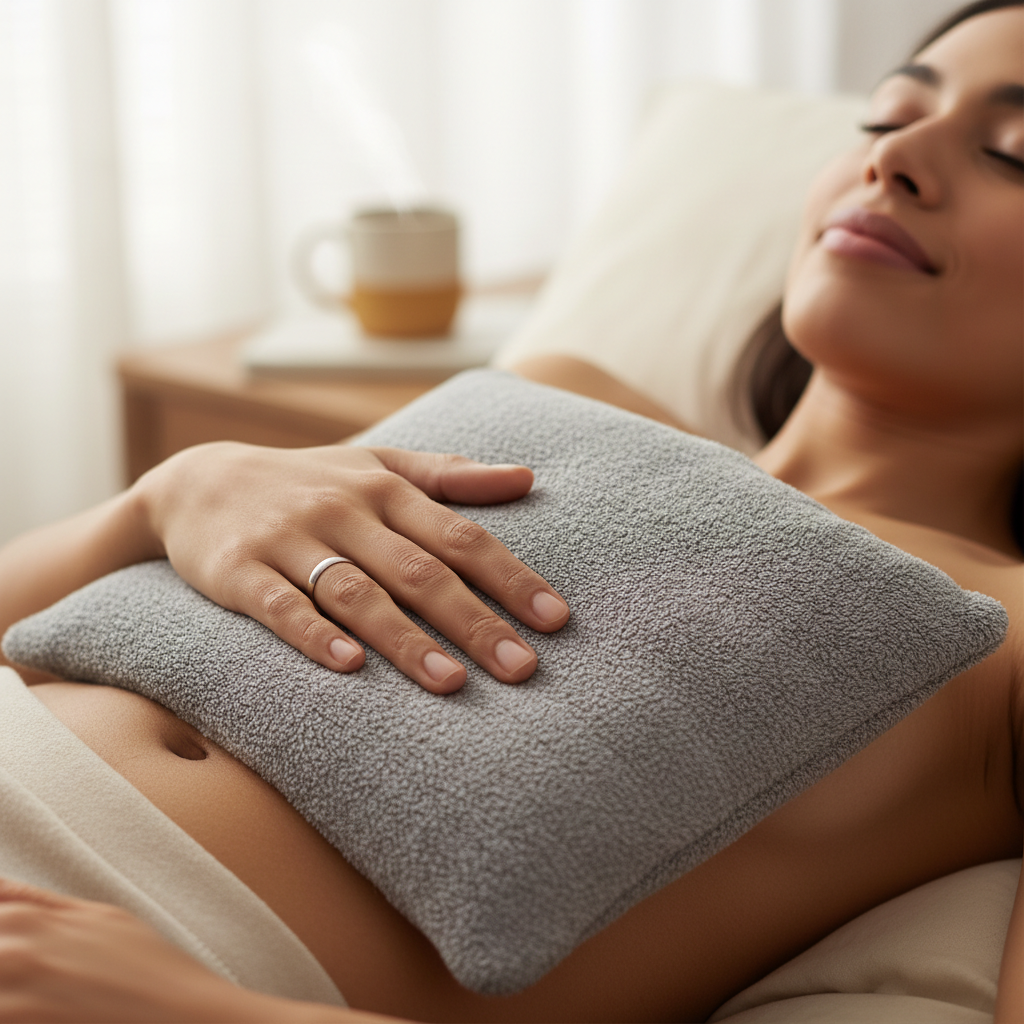
You do not need sophisticated technology to begin exploring thermal wellness. A warm bath in the evening, a heated compress on a tense area, or a visit to a wellness facility with thermal amenities are all accessible starting points.
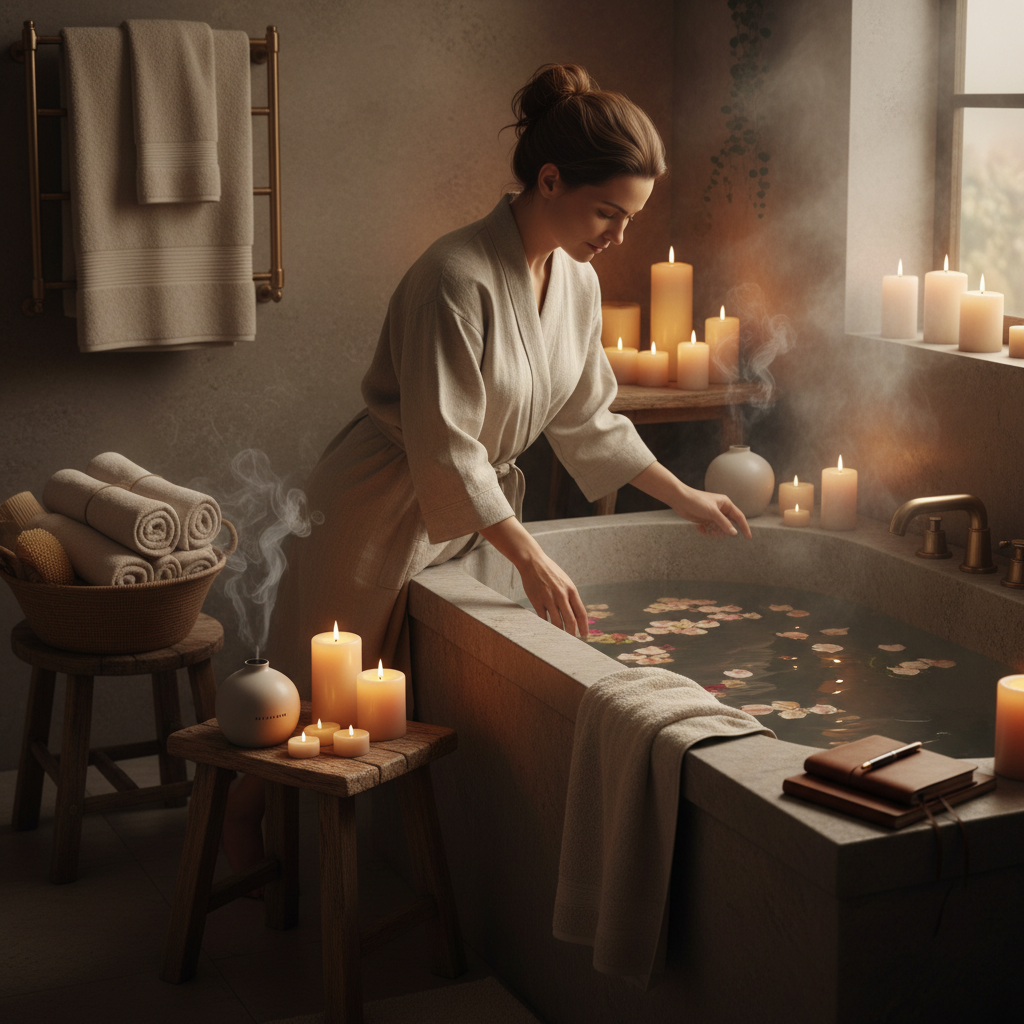
The key is intentionality. Thermal wellness is most effective when it is a consistent, deliberate part of your self-care routine — not an occasional treat, but a regular practice that signals to your body: it is time to rest and recover.
Key Takeaway
Warmth is one of the most ancient and instinctive tools for relaxation and recovery. Thermal wellness is simply the intentional, modern application of that understanding — using heat as a consistent part of a self-care routine to support relaxation, muscle comfort, and recovery. Used safely and consistently, it is a simple, accessible, and deeply effective wellness practice.
- Discover the CERAGEM Shaw Wellness Lounge — a dedicated environment for relaxation, self-care, and spine wellness.
- Experience CERAGEM Shaw: ceragemshaw.com/visit
- Explore the CERAGEM Master V4 thermal wellness technology.
Educational Disclaimer: The information provided in this article is for general educational and wellness purposes only and is not intended to diagnose, treat, cure, or prevent any medical condition. If you have a specific health condition or concern, consult a qualified healthcare professional before using thermal wellness devices or therapies.