

Modern professional life in Metro Manila is demanding. Long commutes, full workdays, evening commitments, and the constant connectivity of smartphones mean that many people are operating in a near-continuous state of physical and mental output — with very little genuine recovery built into their days.
Recovery is often treated as a luxury — something you do when you have time, when the project is finished, when things slow down. But from a physiological perspective, recovery isn't optional. It's the process through which your body repairs, adapts, and prepares for the demands of the next day. Without it, the effects accumulate.

What Recovery Actually Is
Recovery is not simply the absence of activity. It's an active biological process. During recovery — whether through sleep, rest, gentle movement, or relaxation — your body is doing important work: repairing micro-damage in muscles and connective tissues, rehydrating spinal discs, consolidating the adaptations from the day's physical demands, and downregulating the nervous system from the stress response.
When recovery is consistently inadequate — when you're sleeping too little, moving too little, and never truly resting — these processes are interrupted. The repair work doesn't get done. The adaptations don't consolidate. The nervous system stays in a heightened state.
The Accumulation of Physical Stress
Physical stress — the kind that comes from sitting at a desk all day, commuting, carrying tension in your muscles — accumulates in the body. Each day adds to the load. With adequate recovery, this load is processed and cleared. Without it, it builds.
Many people experience this as a gradual increase in baseline tension — a sense that their body is always slightly tight, always slightly tired, never quite fully rested. This is the physical signature of accumulated, unrecovered stress.
- You wake up feeling tired, even after a full night's sleep.
- You notice persistent tension in your neck, shoulders, or lower back that doesn't fully resolve.
- You feel mentally foggy or find it harder to concentrate than usual.
- Small physical tasks — like a short walk or carrying groceries — feel more effortful than they should.
- You're more irritable or emotionally reactive than your baseline.
The Sleep Debt Problem
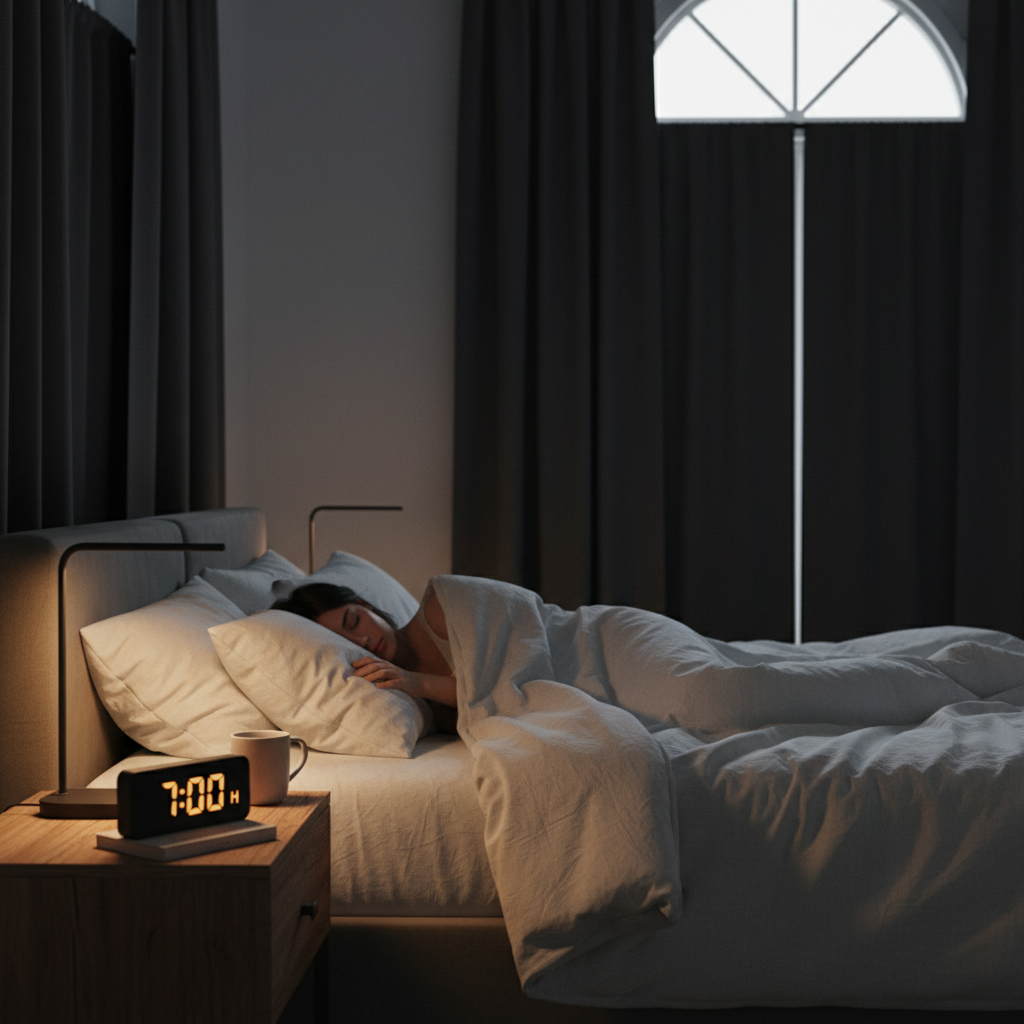
Sleep is the most important recovery mechanism the body has. During sleep, growth hormone is released — the primary signal for tissue repair. The brain consolidates memories and clears metabolic waste. The nervous system downregulates. The spinal discs rehydrate.
When sleep is consistently insufficient — whether in duration or quality — all of these processes are compromised. Sleep debt accumulates, and unlike financial debt, it can't be fully repaid with a single long sleep on the weekend. The effects of chronic sleep insufficiency are cumulative and wide-ranging.
The Nervous System Dimension
Beyond the physical, inadequate recovery affects the nervous system in ways that compound over time. The sympathetic nervous system — responsible for the stress response — becomes chronically activated. The parasympathetic nervous system — responsible for rest, digestion, and recovery — becomes underactive.
This imbalance manifests as a persistent sense of being "on" — difficulty truly relaxing, trouble falling asleep, heightened sensitivity to stress, and a general feeling of being depleted rather than restored.
Building Recovery Into Your Life
Recovery doesn't require a spa day or a week off work. It requires consistent, daily practices that give your body and nervous system the signals they need to shift into restoration mode.

- Protect your sleep: aim for 7–8 hours, at consistent times, in a cool and dark environment.
- Create a clear end-of-workday boundary — a ritual that signals to your body that the demands of the day are over.
- Build gentle movement into your day — not intense exercise, but walking, stretching, and light activity that supports circulation and muscle recovery.
- Practice brief relaxation daily — even 10 minutes of quiet, screen-free rest can meaningfully support nervous system recovery.
- Limit stimulants in the evening — caffeine and screen light both interfere with the body's natural transition into recovery mode.
- Consider a regular wellness routine — thermal relaxation, gentle massage, or other recovery-focused practices that support your body's natural restoration processes.
The professionals who sustain high performance over long careers are not the ones who push hardest without rest. They're the ones who understand that recovery is part of the work — and who build it into their lives with the same intentionality they bring to their professional commitments.
Your body is not a machine. It's a living system that requires care, rest, and recovery to function at its best. Giving it that care — consistently, every day — is not a luxury. It's the foundation of sustainable wellness.