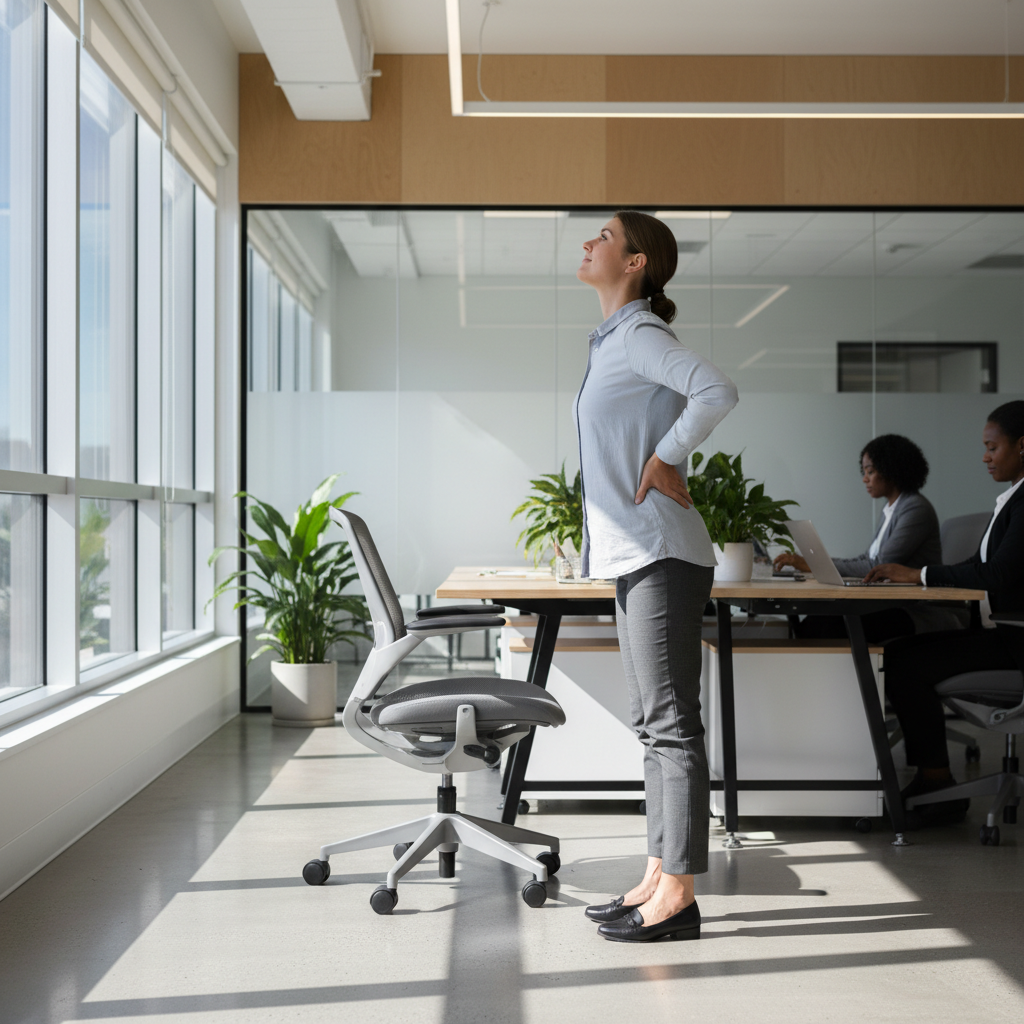
You've been in a meeting for two hours. Or you've been deep in a project and lost track of time. When you finally stand up, there's that familiar moment — a stiffness in your lower back, a tightness in your hips, a general sense that your body needs a moment to remember how to move properly.
This experience is so common among desk workers that many people have come to accept it as normal. But understanding why it happens — and what it means — can help you make better choices about how you work and move throughout the day.
What's Actually Happening in Your Body
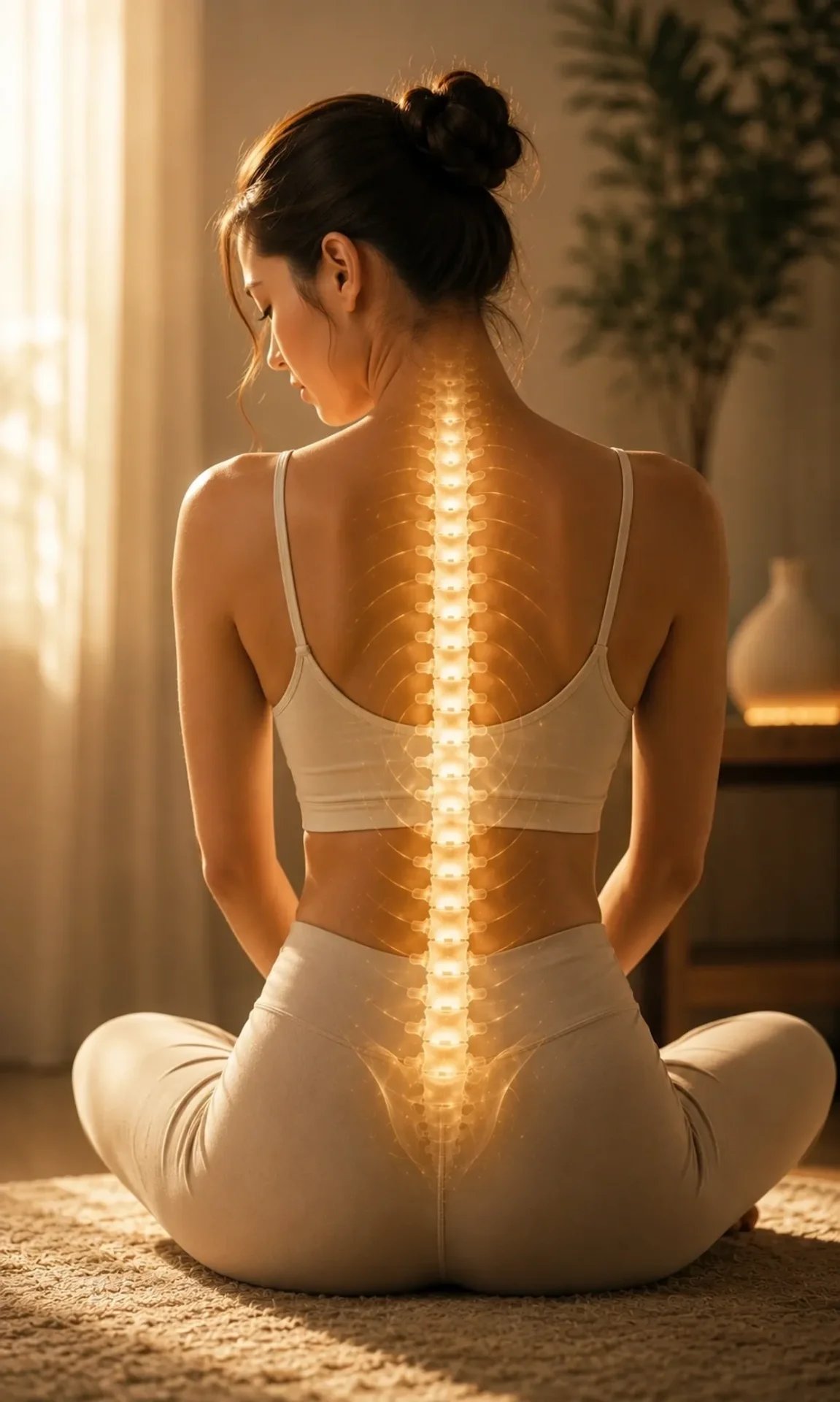
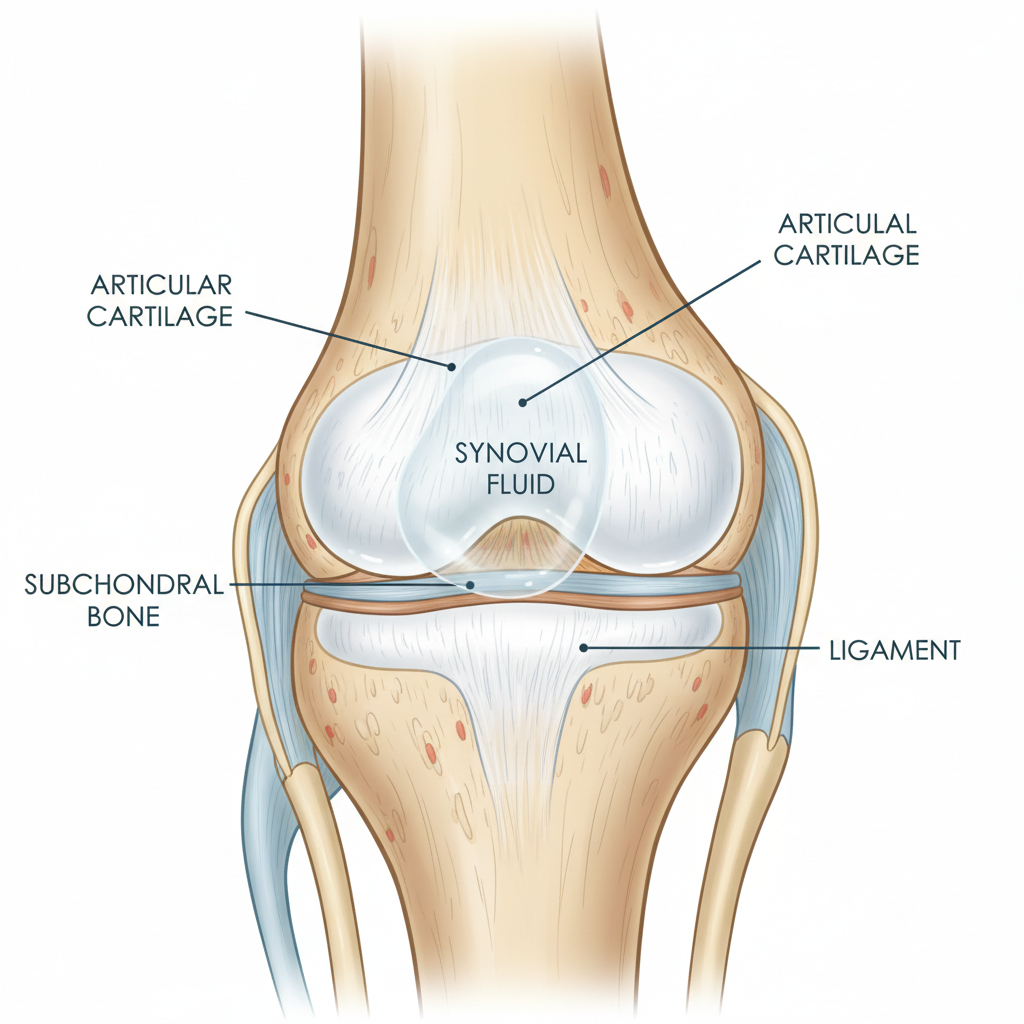
When you sit for an extended period, several things happen simultaneously in your body. Your muscles adapt to the shortened or lengthened positions they've been held in. Your joints, which rely on movement to stay lubricated, receive less of the synovial fluid that keeps them moving smoothly. And the connective tissues — fascia, ligaments, and tendons — that surround your joints begin to stiffen in response to sustained static loading.
The result is that when you stand up, your body needs a moment to redistribute fluids, re-engage muscles that have been relatively inactive, and restore the normal range of motion in your joints. This is the stiffness you feel.
The Role of Fascia
Fascia is the connective tissue that wraps around and connects every muscle, bone, and organ in your body. It's a continuous web of tissue that plays a significant role in how your body moves and feels. When you hold a position for a long time, the fascia in that area begins to adapt to that position — becoming less pliable and more resistant to change.
This fascial stiffening is one reason why the first few steps after a long period of sitting can feel awkward or uncomfortable. The fascia needs time and movement to return to its normal pliability.
If you sit for long periods every day, year after year, the adaptive changes in your muscles, joints, and fascia can become more persistent. What starts as temporary post-sitting stiffness can gradually become a more chronic pattern of reduced mobility and discomfort.
The Joint Lubrication Factor
Your joints are lined with cartilage and bathed in synovial fluid — a viscous liquid that lubricates the joint surfaces and reduces friction during movement. This fluid is distributed through the joint by movement. When you sit still for hours, the distribution of synovial fluid in your hip, knee, and spinal joints slows down.
When you stand up and begin to move, your joints need a moment to redistribute this fluid before they move smoothly. This is part of why the first few steps after a long sit can feel stiff or slightly uncomfortable — and why they typically ease after a minute or two of movement.
What You Can Do Today
- Don't sit for more than 45–60 minutes without a movement break — even 2 minutes of standing and walking makes a difference.
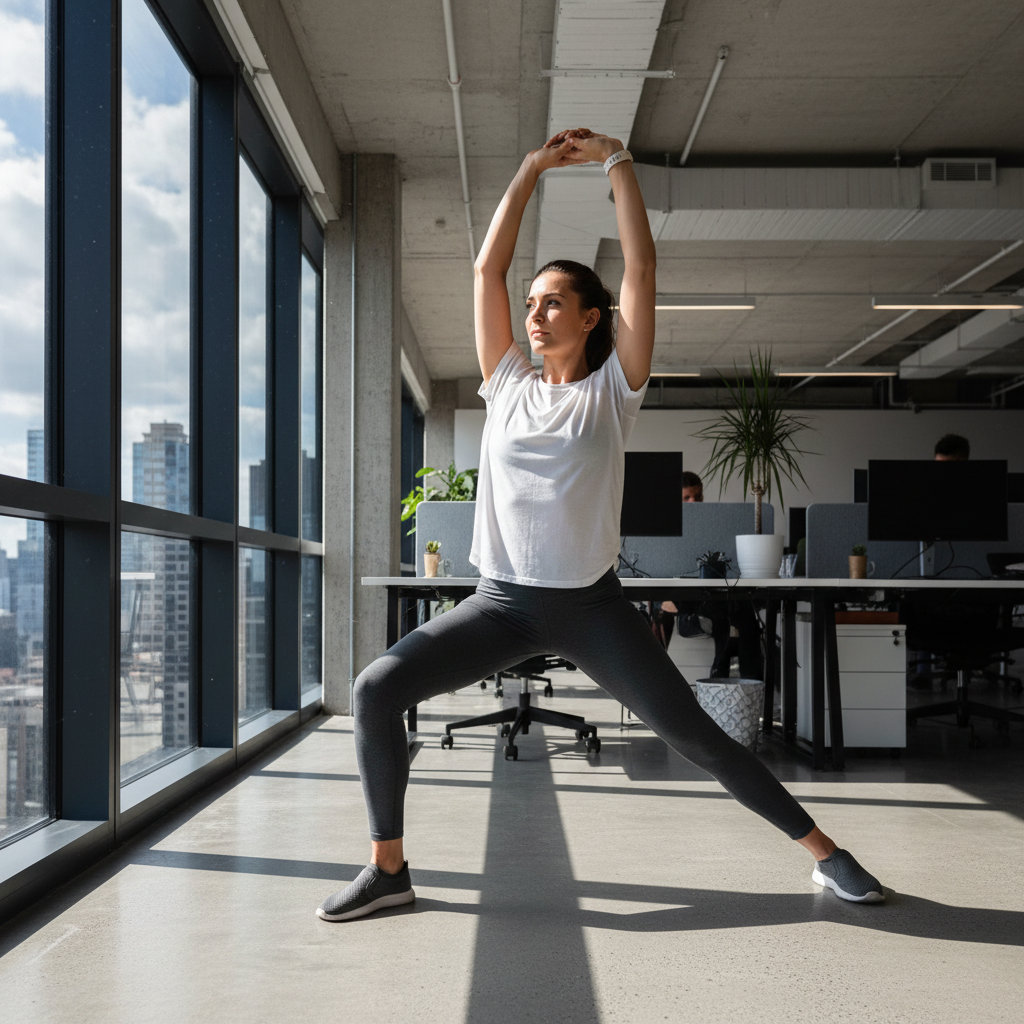
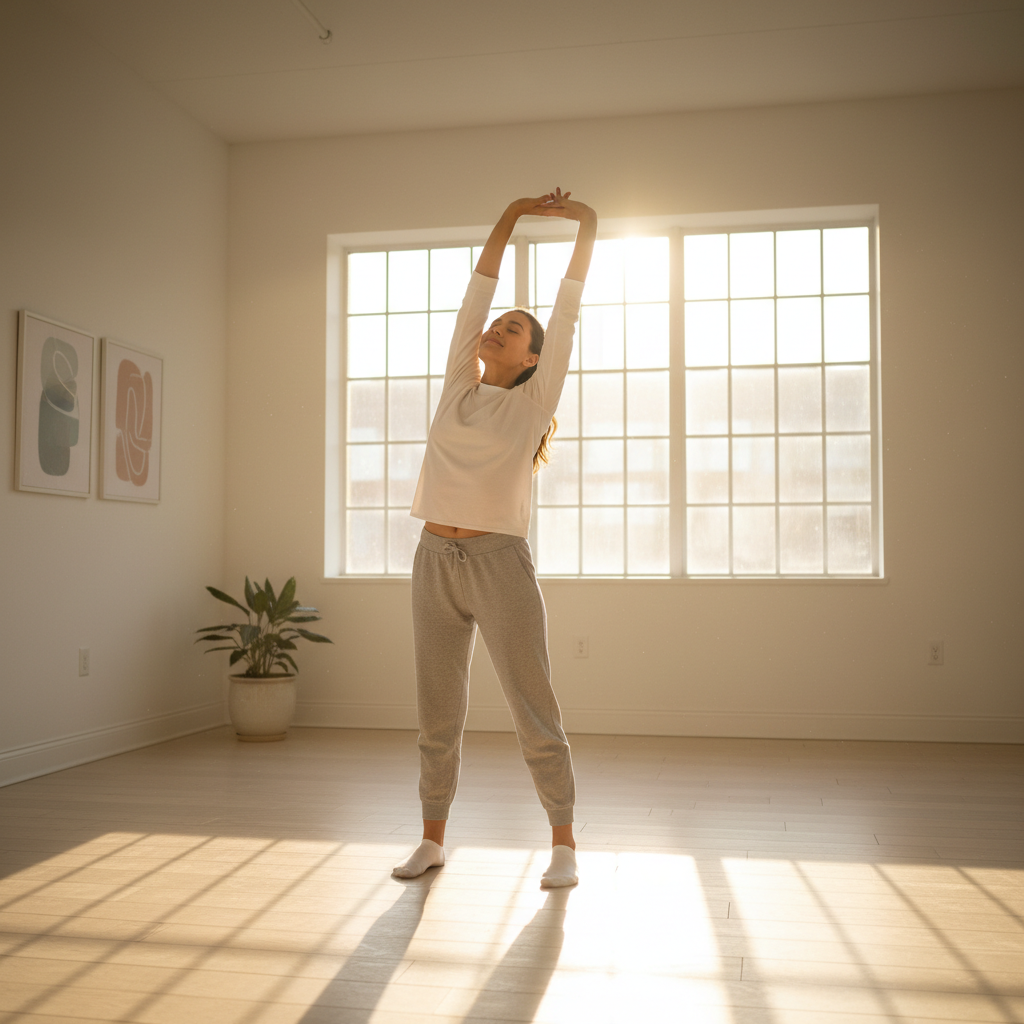
- When you stand up after a long sit, don't rush. Take a moment to gently extend your lower back and roll your shoulders before walking.
- Incorporate gentle hip flexor stretches into your day — tight hip flexors are a primary contributor to lower back stiffness after sitting.
- Stay hydrated — the synovial fluid in your joints and the discs in your spine are largely water-based, and hydration supports their function.
- Consider a short walk after lunch — this is one of the most effective ways to counteract the stiffness that accumulates during a morning of desk work.
The stiffness you feel after sitting is a normal physiological response — but it's also a signal. It's your body telling you that it needs more movement than it's been getting. Responding to that signal consistently, every day, is one of the simplest and most effective things you can do for your long-term spine wellness.